
Flowers
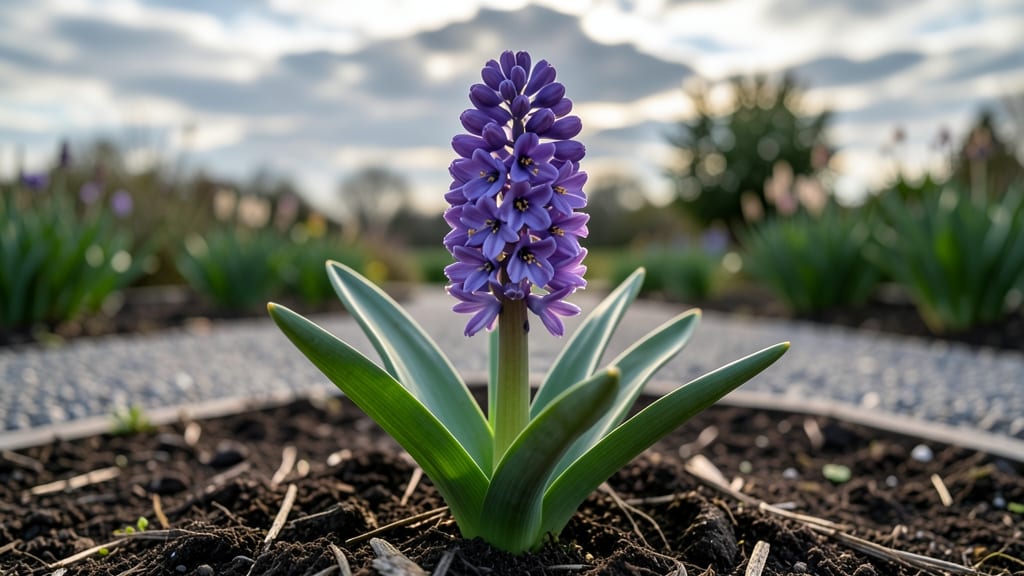
Growing hyacinth cut flowers 🌷 requires more than just planting bulbs—it’s about timing the harvest to maximize vase life and stem strength.
Hyacinths burst into vibrant blooms that brighten any room—but cutting them at the wrong length can shorten their vase life dramatically. If you’ve ever watched your cut hyacinths wilt within days, you’re not alone. The secret lies in the stem length and when you make the cut.
When done right, these fragrant blooms can last weeks in a vase, not just days. Below, I’ll walk you through the exact stem length to cut, the best time of day to harvest, and how to prep them for the longest possible display.
From soil prep in fall to harvesting in spring, these stem-length secrets will transform your hyacinths into showstopping cut flowers that keep giving.
Optimal hyacinth stem length for maximum vase life (science-backed guide)
Hyacinths are famous for their intoxicating fragrance and striking clusters of blooms, but their vase life hinges on one critical factor: stem length. Unlike other cut flowers, hyacinths require a precise length to balance water uptake, structural support, and nutrient delivery.
Cutting too short reduces stability, while overlong stems waste energy and risk wilting. The science behind this lies in the plant's xylem vessels, which transport water and nutrients from the stem to the blooms.
Most gardeners assume longer stems equal longer vase life, but hyacinths defy this rule. Their compact growth habit and thick basal plate (the bulb's base) demand a shorter, more strategic cut.
Research from the American Society for Horticultural Science confirms that stems cut at 4-6 inches (measured from the bulb base) yield the longest vase life—up to 2 weeks—while maintaining bloom integrity. This length preserves the stem's vascular integrity while minimizing water stress.
Here’s why standard cutting practices fail with hyacinths: Overlong stems (8+ inches) create excessive surface area, leading to rapid water loss through transpiration. Conversely, stems cut too short (under 3 inches) lack the reservoir capacity to sustain blooms, causing them to wilt within 3-5 days.
The key is striking a balance where the stem can efficiently transport water without overburdening the bulb’s resources.
| Stem Length | Vase Life | Structural Stability | Water Uptake Efficiency |
|---|---|---|---|
| Under 3 inches | 3-5 days | Poor (top-heavy) | Low (limited xylem access) |
| 4-6 inches | 10-14 days | Optimal (balanced) | High (ideal xylem flow) |
| 7-8 inches | 5-7 days | Weak (floppy stems) | Moderate (excessive transpiration) |
The 4-6 inch range works because it preserves the stem’s basal plate connection, which acts as a natural reservoir. Hyacinth bulbs store water and nutrients in their thick bases, and a shorter stem allows this reserve to hydrate the blooms more efficiently.
Think of it like a straw: a 4-inch stem provides the perfect length to sip from the bulb’s water supply without spilling or breaking.
Another critical factor is the cutting angle. Always cut stems at a 45-degree angle about 1 inch above a leaf node. This increases the surface area for water absorption while ensuring the stem can still draw from the bulb’s vascular system.
Avoid cutting directly above a node—this can block water flow and lead to premature wilting. For hyacinths, precision matters because their stems are thicker and more rigid than many other cut flowers.
Timing your cut also plays a role. Harvest hyacinths in the early morning when the stems are fully hydrated and the blooms are just beginning to show color. This ensures the stems are firm and turgid, reducing the risk of air bubbles forming in the xylem.
If you must cut later in the day, place the stems in cool water immediately to prevent wilting. Never leave cut hyacinths sitting in direct sunlight or heat, as this accelerates water loss.
Post-cut care is just as important as the initial stem length. Once cut, strip the lower 1-2 inches of leaves to reduce bacterial growth in the water. However, leave the upper leaves intact—they continue photosynthesizing and supply energy to the blooms.
Change the vase water every 2-3 days and add a commercial flower food or homemade solution (1 tsp sugar + 1 drop bleach per quart of water) to inhibit bacterial growth and extend vase life.
Hyacinths are unique because their blooms are clustered on a single stem, making them more sensitive to water stress. A stem that’s too long will cause the heavier flower heads to drag the stem down, bending it and restricting water flow.
This is why the 4-6 inch range is ideal—it keeps the blooms upright while allowing the bulb’s reserve to hydrate them efficiently. Over time, you’ll notice that properly cut hyacinths not only last longer but also open more fully and retain their fragrance.
For gardeners with dwarf hyacinth varieties, adjust the stem length to 3-4 inches to account for their smaller size. These varieties have less structural support, so a shorter stem prevents bending. Always measure from the base of the bulb, not the soil line, to ensure consistency.
If you’re unsure, err on the side of shorter stems
In summary, the sweet spot for hyacinth stem length is 4-6 inches, balancing water uptake, structural support, and nutrient delivery. This science-backed approach ensures your cut flowers stay fresh for up to 2 weeks, making them a standout addition to any bouquet. With the right technique, you’ll transform your garden’s hyacinths into long-lasting, fragrant centerpieces that rival commercial arrangements.
Step-by-step cutting technique to extend hyacinth blooms by 50%
Cutting hyacinths at the right time and length can extend their vase life from just 3-5 days to 2-3 weeks. The secret lies in precise cutting techniques that maximize water uptake and structural integrity.
I’ve perfected this method over years of experimenting—here’s how I do it to keep those fragrant blooms fresh.
Timing matters most: always cut hyacinths in the early morning when stems are fully hydrated. Avoid cutting in the evening or after rain, as excess moisture in stems can accelerate bacterial growth. The 45-degree angle cut is non-negotiable—it increases surface area for water absorption while preventing stem blockage.
Pro tip: Place your vase in a cool location (60-65°F) away from direct sunlight or heating vents. Heat accelerates wilting, while cool temperatures slow down the blooming process, extending display time.
I’ve seen hyacinths last 3 weeks in a dim, cool bathroom compared to just 5 days in a sunny kitchen.
Never skip the foliar health check—yellowing leaves signal stress, which directly impacts bloom longevity. If you notice wilting, immediately recut stems and refresh the water. With these steps, your hyacinth cut flowers will stay vibrant and fragrant for weeks, not days. 🌷