
Flowers
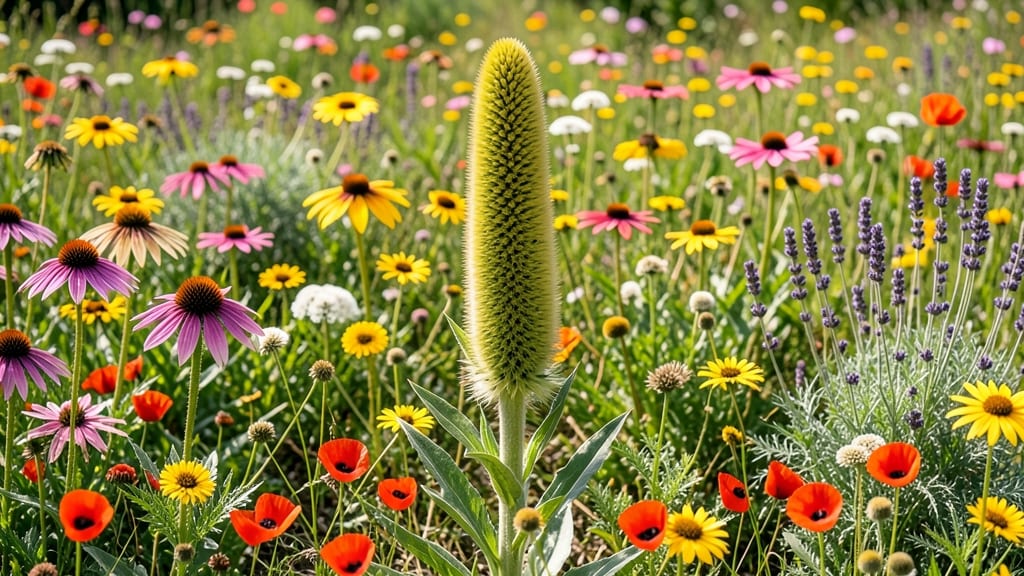
A wildflower meadow filled with flowers 🌼 transforms any space into a vibrant, low-maintenance paradise that thrives on nature’s own schedule.
Picture this: a garden that hums with bees, dances with butterflies, and blooms in waves of color—all while asking for almost no effort from you. That’s the magic of wildflower meadows, where every season brings new stars to the show without the fuss of mowing or pruning.
You might think a meadow means giving up control, but the right mix of native wildflowers ensures year-round beauty and supports pollinators better than a manicured lawn ever could. From sun-loving coneflowers to delicate clover, these plants work together to create a living tapestry that changes with the seasons.
Below, I’ll share how to design your meadow for maximum impact—seasonal blooms, pollinator-friendly pairings, and layouts that turn even a small yard into a wildlife hotspot. Ready to let nature take the lead?
Best wildflower meadow flowers for season-long pollinator support
Creating a pollinator-friendly meadow doesn't require complicated designs or expensive plants. The key is selecting native wildflowers that bloom in succession—spring, summer, and fall—to keep bees, butterflies, and hummingbirds fed year-round. These plants also thrive in low-maintenance conditions, making them perfect for busy gardeners.
I’ve curated a mix of perennial favorites and annual workhorses that adapt to various climates while delivering stunning color and ecological benefits.
For spring blooms, focus on early-season stars like Virginia bluebells and wild columbine, which attract pollinators as soon as temperatures rise. Summer thrives with black-eyed Susans and purple coneflowers, while fall extends the feast with goldenrod and aster.
Each plant plays a role in the meadow’s ecosystem, from nectar-rich blooms to seed heads that feed birds in winter. Let’s dive into my top picks for a season-long pollinator buffet.
| Plant Name | Bloom Season | Sunlight Needs | Height (ft) | Pollinator Appeal | Regional Adaptability |
|---|---|---|---|---|---|
| Virginia Bluebells (Mertensia virginica) | Spring | Partial Sun | 1-2 | Bees, Hummingbirds | East Coast, Midwest |
| Wild Columbine (Aquilegia canadensis) | Spring-Summer | Full Sun-Partial Shade | 1-2 | Bees, Hummingbirds, Butterflies | Nationwide |
| Black-Eyed Susan (Rudbeckia hirta) | Summer-Fall | Full Sun | 2-3 | Bees, Butterflies, Birds | All Regions |
| Purple Coneflower (Echinacea purpurea) | Summer-Fall | Full Sun | 2-4 | Bees, Butterflies, Hummingbirds | Nationwide |
| Goldenrod (Solidago spp.) | Late Summer-Fall | Full Sun | 2-5 | Bees, Butterflies, Goldenrod Gall Flies | East Coast, Midwest |
| Aster (Symphyotrichum spp.) | Fall | Full Sun-Partial Shade | 1-4 | Bees, Butterflies, Birds | Northeast, Midwest |