
Flowers
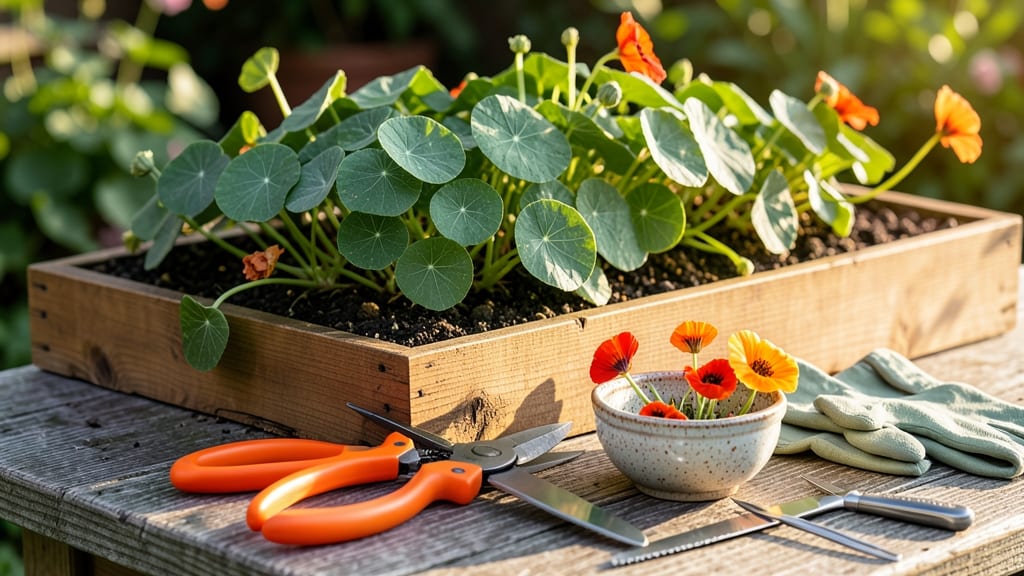
To harvest nasturtium flowers at their peak, focus on fully open blooms with vibrant petals and sturdy stems—this keeps your plants thriving and your harvest abundant.
Nasturtiums don’t just add vibrant color to your garden—they’re edible, pest-repellent, and their delicate blooms make stunning garnishes. But harvesting them correctly ensures a longer, more abundant harvest.
You’ll learn the pinch-and-cut method to encourage bushier growth, the best tools for clean cuts, and how to preserve freshness for bouquets or culinary use.
Whether you’re growing nasturtiums in USDA Zone 6a or elsewhere, these techniques will help you maximize blooms from June through September.

When and how to pinch nasturtium flowers for maximum growth
Pinching nasturtium flowers is one of the simplest yet most effective ways to keep your plants bushier and more productive. When done correctly, this technique redirects the plant’s energy from flowering to growing new stems and leaves, resulting in a longer harvest season.
I’ve found that starting this process early—when plants are just 6-8 inches tall—gives the best results for continuous blooms throughout summer.
The key to successful pinching is timing: focus on young, developing buds rather than fully open flowers. These buds are usually located near the growth tips of stems and appear as small, tightly packed clusters.
By removing them, you encourage the plant to produce more side shoots, which will eventually bear even more flowers. This method works especially well for trailing nasturtium varieties like 'Alaska' or 'Black Velvet'.
Visual cues are your best friend when identifying which flowers to pinch. Look for buds that are half-open but haven’t fully bloomed yet—they’ll have a slightly raised center and vibrant color. Avoid pinching flowers that are already fully open, as this can reduce your immediate harvest.
Instead, save those for cutting or culinary use while you focus on the future growth of your plant.
Here’s how to do it properly—follow these steps to maximize your nasturtium’s potential:
- Wait until your nasturtium has 5-7 true leaves and is at least 6 inches tall.
- Pinch in the morning after dew has dried to reduce stress on the plant.
- Locate the topmost set of leaves (usually 3-4 leaves down).
- Find the small bud just above these leaves—this is your pinch target.
- Use clean pruning shears or your fingers to pinch just above the bud.
- Aim for a clean cut at a 45-degree angle to prevent water pooling.
- Remove any spent blooms regularly to prevent seed pods from forming.
- Repeat the process every 2-3 weeks for continuous growth.
After pinching, your nasturtium will respond by sending out new lateral shoots from the leaf axils. These shoots will eventually produce their own flowers, creating a denser, fuller plant with more blooms.
I’ve seen firsthand how this technique can double the number of flowers on a single plant over a season. Just be patient—it can take 3-4 weeks to see noticeable results after your first pinch.
Don’t forget to remove spent flowers throughout the growing season. This practice, called deadheading, prevents the plant from wasting energy on seed production. By keeping the focus on new growth, you’ll enjoy longer-lasting blooms and a more prolific harvest.
I like to deadhead every 2-3 days during peak bloom time to keep my nasturtiums looking their best.
For trailing varieties, pinching also helps control their spread, keeping them from becoming too unruly in containers or garden beds. If you’re growing nasturtiums in containers, this technique is especially useful for maintaining a neat, compact shape.
Just be sure to use well-draining soil and prune regularly to encourage airflow, which reduces the risk of fungal diseases.
One common mistake I see is pinching too late in the season. Once temperatures drop and the plant begins to slow down (usually in late summer), pinching won’t yield the same results.
Save your pinching efforts for early to mid-summer when the plant is actively growing. This ensures you’ll have plenty of new growth to enjoy before the first frost.
With the right timing and technique, your nasturtiums will reward you with vibrant blooms from June through September. Plus, the flowers you do harvest can be used in salads, garnishes, or bouquets, making this a truly versatile gardening hack. Happy pinching! 🌸
Best practices for cutting nasturtium flowers for bouquets and culinary use
When harvesting nasturtium flowers for bouquets or culinary use, timing and technique make all the difference. For arrangements, aim to cut blooms in the early morning when petals are fully unfurled and dew provides natural hydration.
This ensures your bouquets stay vibrant for up to 5-7 days in water. The ideal cutting time for edible flowers is just as they open—when their flavor is most intense.
For culinary use, prioritize flowers with bright, fully open petals and a compact center. Avoid overripe blooms, which can taste bitter. Always harvest with clean, sharp scissors or pruners to prevent crushing stems. This preserves both aesthetics for bouquets and flavor for dishes like salads or garnishes.
🌸 Key Takeaway: Harvesting Nasturtium Flowers
- 🌞 Cut in early morning (6-8 AM)
- ✂️ Use clean scissors at a 45° angle
- 💧 Remove lower leaves to prevent bacterial growth
- 🌿 Store stems in cool water (50°F) overnight
- 🌸 Harvest when fully open (peak flavor)
- 🌿 Avoid pesticide-treated plants for eating
- 🧊 Store in damp paper towels in fridge (3-5 days)
- 🌿 Use young leaves and buds too!
To preserve freshness, handle nasturtium flowers with care. Gently grasp the stem near the base and make a clean cut 1-2 inches below the bloom. This encourages the plant to produce side shoots and more flowers.
For bouquets, strip leaves from the lower half of the stem to reduce water loss and bacterial growth in the vase.
When storing nasturtium flowers for culinary use, wrap them in a damp paper towel and place in a sealed container. Store in the crispest drawer of your fridge (around 34-38°F) where they’ll stay fresh for 3-5 days.
For longer storage, try freezing flowers in ice cube trays with water—perfect for adding to winter dishes!
Remember, regular harvesting promotes continuous blooming. If you’re growing nasturtiums for both decorative and edible purposes, prioritize cutting flowers that are fully open first. This ensures your garden stays lush with new blooms while your kitchen benefits from fresh, flavorful garnishes.
With these simple techniques, you’ll enjoy a bountiful harvest of nasturtiums that brighten your garden and elevate your meals—all while keeping your plants thriving. Happy harvesting! 🌿