
Shrubs
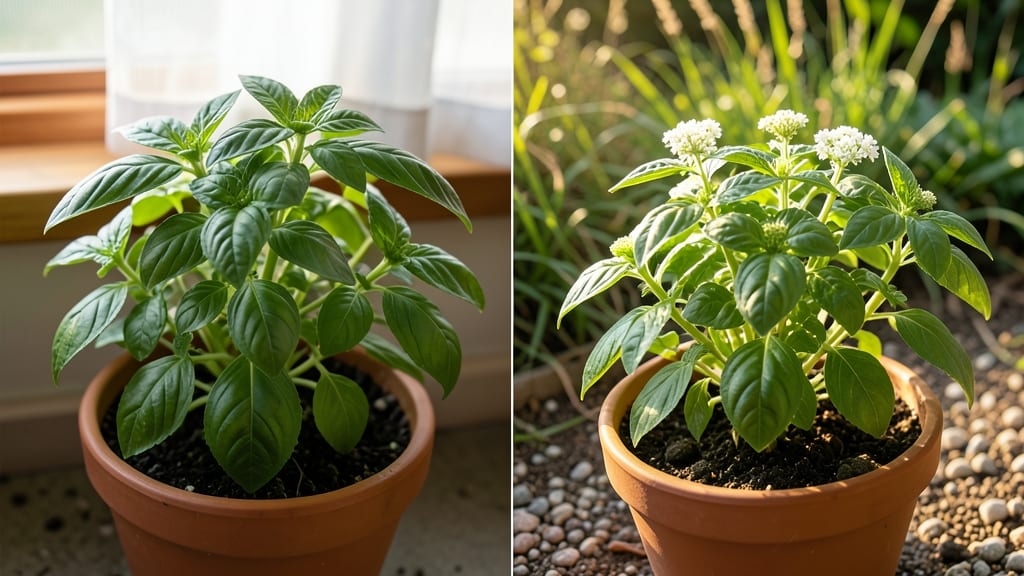
Telling if basil is flowering is the key to keeping your 🌿 plants productive and flavorful before the blooms appear.
If your basil plants are suddenly producing tiny white or purple flowers, you’re about to lose the sweet, aromatic leaves you love—unless you act fast. Those little blooms signal the plant is shifting energy from leaves to seeds, which means bitter flavor and stunted growth.
The good news? You can still save your harvest with the right steps.
Flowering basil doesn’t just ruin flavor—it also signals it’s time to prune aggressively to encourage new leaf growth. Below, I’ll walk you through three clear visual signs to spot before it’s too late, plus how to reset your plant for a second round of lush, tasty leaves.
Whether you’re growing basil in containers or garden beds, these tips will help you extend your harvest season and keep your plants thriving. Let’s dive into what to look for and how to act fast.
3 Clear visual signs your basil is flowering (and what they mean)
Spotting basil flowering early is key to preserving those lush, flavorful leaves you adore. When your plant starts shifting energy from leaf production to seed development, the quality and quantity of your harvest take a nosedive.
The good news? You can catch these signs before it’s too late with a little visual detective work.
Flowering basil isn’t just about pretty blooms—it’s a growth phase shift that alters your plant’s priorities. Those tiny white or purple flowers may look harmless, but they’re actually chemical signals telling your basil to produce seeds instead of tender leaves.
Understanding these visual cues helps you act fast to prune and reset your plant for a longer harvest season.
- Tiny White or Purple Buds – Look for 1/4-inch flower buds forming in the leaf axils (where leaves meet stems). These start as greenish bumps before opening.
- Elongated Stems – Your basil’s central stem may stretch taller and woody, signaling it’s prioritizing flower growth over leaf production.
- Smaller, Tougher Leaves – New leaves become narrower, darker green, and less aromatic, losing their sweet basil flavor.
🔍 Pro Tip: Check the top third of your plant first—this is where flowering starts!
Those tiny white or purple buds are the first red flag. They usually appear in the leaf axils (the junction where leaves meet the stem) and start as small, greenish bumps. If left unchecked, these buds will open into delicate flowers within days.
The earlier you spot them, the more time you have to prune them off and redirect your basil’s energy back to leaf production.
Pay close attention to your basil’s stem elongation. When flowering begins, the central stem often stretches taller and becomes woody or fibrous to the touch. This is your plant’s way of investing in flower and seed production rather than growing lush, tender leaves.
If you notice this change, it’s time to take action—pruning the elongated stems can help reset your basil’s growth cycle.
One of the most telling signs of flowering basil is the change in leaf quality. New leaves may appear narrower, darker green, and less aromatic than usual. This shift happens because your plant is diverting nutrients away from leaf development.
If you crush a leaf and it lacks that familiar sweet, peppery scent, flowering is likely the culprit.
Don’t wait until you see fully bloomed flowers—by then, your basil’s flavor and yield are already compromised. The moment you spot even a single bud, grab your pruning shears and remove any flowering stems.
This encourages your plant to focus on regrowing those flavorful leaves you love. Think of it as a growth reset button for your basil.
For container-grown basil, flowering signs might appear faster due to limited root space or inconsistent sunlight. If your potted basil is showing these visual cues, consider transplanting to a larger container or moving it to a sunnier spot.
This can sometimes delay flowering and give you more time to enjoy a bountiful harvest.
Remember, basil flowering isn’t the end of the world—it’s just a sign that your plant needs a little guidance. By keeping an eye out for these three key visual signs, you’ll be able to act quickly and keep your basil producing those delicious, aromatic leaves for weeks longer.
Next time you’re inspecting your basil, take a moment to check for these early warning signs. A little preventative pruning now can mean a bigger, better harvest later—plus, you’ll avoid that bitter, woody taste that comes with neglected flowering stems.
Why flowering basil ruins your harvest (and how to fix it)
When your basil starts flowering, it’s not just a pretty sight—it’s a harvest killer. Once those tiny white or purple blooms appear, your plant shifts energy from leaf production to seed-making.
This triggers bitterness in the leaves and stunts growth, leaving you with fewer, less flavorful leaves. The good news? You can reset your basil with simple pruning techniques.
Flowering basil isn’t just about aesthetics—it’s a biological response to stress or environmental cues like long daylight hours or nutrient imbalances. Once the flowers form, the plant prioritizes seed production over leaf growth, which means your culinary-grade basil becomes tough and bitter.
The key is acting fast to prune those flowers before they fully bloom.
⚠️ How to Tell If Basil Is Flowering (And Why It’s Urgent)
1. Tiny buds in leaf axils: Look for small white or purple buds forming where leaves meet the stem. These are the first sign of flowering.
2. Elongated stems: Your basil may grow taller and leggy as it focuses energy on flowers instead of leaves.
3. Reduced leaf production: If new leaves are smaller or sparse, flowering is likely already underway.
🌱 Act now: Prune flowers immediately to reset growth and restore leaf production.
The science behind this shift is simple: hormonal changes trigger flowering, redirecting nutrients from leaves to flowers. This causes bitter compounds like eugenol to accumulate, ruining the sweet, anise-like flavor you love. Worse, the plant may even bolt—sending up a tall flower stalk and dying back prematurely.
To fix it, start by pinching off any visible flower buds using clean pruning shears or your fingers. Cut just above the leaf node where the bud meets the stem.
This encourages the plant to focus on new leaf growth instead of flowering. Repeat every 7-10 days to keep your basil productive.
For stubborn cases, prune back the entire top set of leaves by about one-third. This shock-pruning forces the plant to regrow bushier and delays flowering. Pair this with balanced fertilizer (like 10-10-10) to support leafy growth. Morning sunlight and consistent moisture will also help reset your basil’s growth cycle.
With these steps, you’ll revive your basil and enjoy sweet, flavorful leaves for weeks longer. The key is early intervention—don’t wait until flowers fully bloom! 🌿