
Flowers
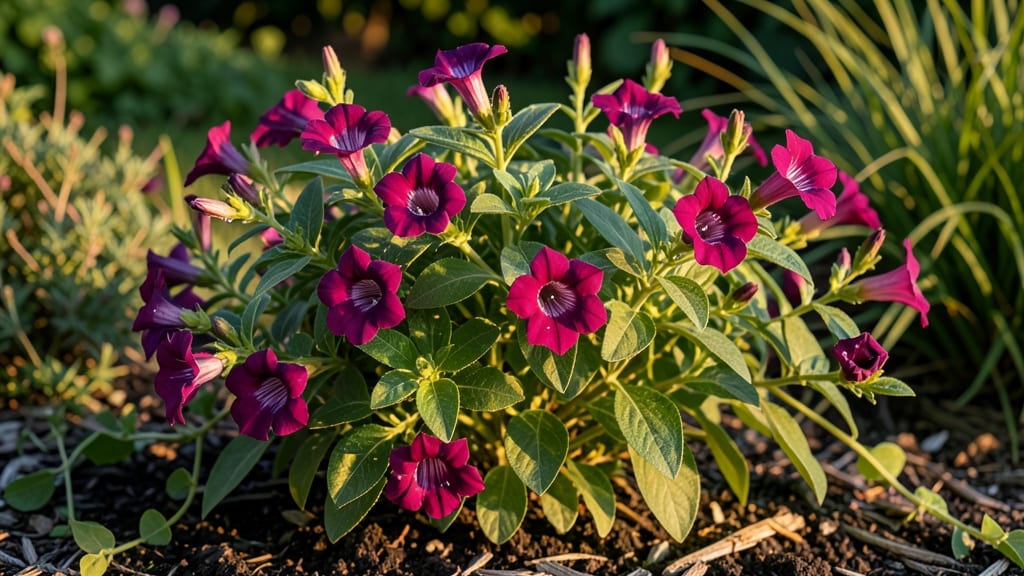
Purple flowers that open and close at specific times are nature’s way of turning your garden into a living clock.
Imagine waking up to a garden transformed by vibrant purple blooms—only to watch them vanish by noon, then reappear like magic as evening falls. These flowers aren’t just beautiful; they’re nature’s own light-sensitive performers, and the morning glory 🌸 is the star of the show.
What makes these plants so fascinating? Their daily rhythm isn’t just a quirky trait—it’s a pollinator’s secret weapon, drawing bees and moths at the perfect moment. Plus, their movement creates a mesmerizing spectacle that turns ordinary garden spaces into moonlit stages.
In this guide, you’ll discover five purple flowers that put on this daily show, how to coax the best performance from them, and creative ways to design your garden around their natural timing—whether you want a pollinator haven or a time-lapse photography dream.
Why morning glory flowers open and close: the science behind their daily rhythm
Morning glories are famous for their dramatic daily show, unfurling their vibrant purple blooms at dawn and closing them by midday. This isn’t just a quirky habit—it’s a botanical phenomenon called nyctinastic movement, where plants respond to light cycles.
Unlike many flowers that stay open all day, morning glories follow a strict circadian rhythm, making them unique among purple flowers that open and close.
Their movement is controlled by photoperiodism, a plant’s internal clock that detects daylight length. In morning glories, specialized cells in the flower stalk (peduncle) adjust turgor pressure—the water pressure inside cells—to trigger opening and closing.
This creates a hydraulic mechanism that’s both delicate and precise, like a tiny, living pulley system.
Temperature and humidity also play critical roles. Cooler nights and higher humidity can delay closing, while hot, dry days may cause flowers to wilt shut earlier. This adaptability ensures morning glories thrive in USDA Zone 6a and beyond, where frost-free days stretch from April 15 to October 30.
| Factor | Effect on Morning Glory | Optimal Condition |
|---|---|---|
| Light Exposure | Triggers opening at dawn; closing by midday | 6+ hours of direct sunlight |
| Temperature | Cooler temps delay closing; heat speeds it up | 60–80°F (15–27°C) |
| Humidity | Higher humidity keeps flowers open longer | 50–70% relative humidity |
| Circadian Rhythm | Internal clock controls daily opening/closing | Natural daylight cycle |
| Turgor Pressure | Water pressure in petioles drives movement | Consistent soil moisture |
The circadian rhythm in morning glories is so precise that even artificial light can disrupt it. If you grow them indoors near a south-facing window, they’ll still follow the sun’s natural pattern—but LED grow lights on a timer can trick them into blooming at unnatural times.
This makes them ideal for time-lapse photography gardens, where their predictable movements create stunning visual sequences.
What makes morning glories stand out among purple flowers that open and close is their sensitivity to both light and touch. Some varieties, like ‘Heavenly Blue’, will even close slightly when touched, a trait shared with sensitive plants (Mimosa pudica).
This dual response—light and touch—adds another layer of complexity to their behavior, making them a gardener’s favorite for interactive displays.
Another fascinating aspect is how temperature fluctuations affect their performance. In USDA Zone 6a, where frost-free days span 165 days, morning glories planted in April–May will bloom most vigorously. However, if nights dip below 50°F (10°C), their flowers may close early or fail to open fully.
This is why mulching around the base of the vine helps maintain stable soil temperatures, supporting their nyctinastic movements.
For gardeners who love purple flowers that open and close, morning glories offer a living light show with minimal effort. Their turgor pressure-driven mechanism is a reminder of nature’s efficiency—no electricity or complex machinery, just water, light, and biology working in harmony.
If you’ve ever watched a morning glory vine climb a trellis while its flowers dance with the sun, you’ve witnessed one of gardening’s most magical daily rituals.
To maximize their performance, plant morning glories in well-draining soil with a balanced fertilizer (5-10-10) applied every 4–6 weeks during the growing season. Water deeply in the morning to avoid fungal issues, and provide a strong trellis for their 10–15-foot vines.
With the right conditions, your morning glories will put on a purple light show that’s as educational as it is breathtaking.
So next time you see a morning glory unfurling at dawn or closing by noon, remember: you’re watching a botanical clock in action, a perfect blend of science and beauty that makes gardening feel like magic. 🌸
Best purple flowers that open and close: 5 nyctinastic varieties for your garden
If you love the idea of a garden that changes with the sun, you’ll adore these purple nyctinastic flowers. Unlike static blooms, these varieties move in response to light—opening at dawn or dusk and closing as the sun peaks.
The result? A living clock that draws pollinators and adds drama to your landscape.
While morning glories steal the spotlight, these five lesser-known purple performers bring their own magic. From fragrant moonflowers to hardy evening primroses, each offers a unique timed bloom spectacle. Let’s dive into the best options and how to grow them for maximum impact.
Each of these purple nyctinastic flowers thrives with minimal fuss but delivers maximum drama. For example, the moonflower unfurls its creamy-white blooms at dusk, while four o’clocks burst into vibrant purple hues just as the sun dips.
Their timing isn’t just charming—it’s a pollinator’s cue, luring moths and bees when daytime flowers have closed for the night.
To maximize their performance, prioritize well-draining soil and avoid overwatering, which can disrupt their natural rhythms. Most prefer full sun, but a few, like the Queen of the Night, tolerate part shade—ideal for container gardens or shaded patios.
For a moon garden, pair these with silver foliage plants to enhance their glow under artificial light.
Pro tip: Plant four o’clocks near seating areas so you can watch their daily show up close. Their fragrant blooms release a sweet scent as they open, making them perfect for evening strolls.
For a low-maintenance option, try the purple evening primrose, which self-seeds and thrives in poor soil—ideal for wildflower meadows or native gardens.
Ready to turn your garden into a living clock? Start with one or two varieties, then expand as you master their care. The key is patience—these flowers reward you with timed beauty that no static bloom can match. 🌿