
Flowers
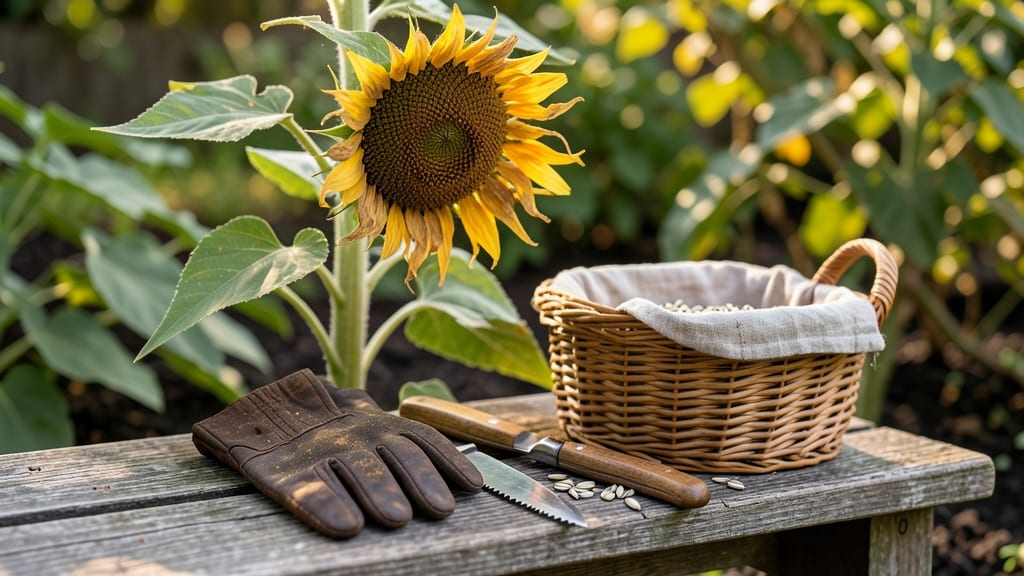
Sunflowers produce seeds about 60 to 100 days after planting, turning those bright blooms into edible treasures when conditions are just right.
Picture this: you’ve nurtured your 🌻 from a tiny seedling, and now you’re eyeing that towering flower head, wondering when it’ll finally yield its crunchy rewards. The answer lies in a precise window of growth—one where timing, climate, and even variety play starring roles.
Most sunflowers follow a predictable cycle: from budding in late spring to full bloom by summer, then seed development over 6 to 12 weeks. But here’s the catch—skipping a step (like proper pollination or watering) can delay that harvest, leaving you with empty heads instead of seed-filled bounty.
In this guide, I’ll walk you through the exact signs to watch for—when the back of the head turns brown, when seeds rattle like a tiny drum—and how to harvest them at peak freshness for snacking or saving.
Sunflower seed production timeline: pollination to maturity explained
Sunflowers follow a precise 60-day journey from pollination to seed maturity, and understanding each stage helps maximize your harvest. The process begins when the flower opens fully, revealing the fertile disc where pollination happens.
This timeline varies slightly by variety—dwarf types take 50-60 days, while giant varieties may need 90-120 days—but the core stages remain consistent.
Your sunflower’s seed production hinges on three critical phases: budding, flowering, and seed development. Each phase demands specific conditions—like consistent sunlight and adequate moisture—to ensure successful pollination and seed maturation.
Skipping these stages often results in empty seed heads or poor-quality seeds, so let’s break down what happens week by week.
| Stage | Key Actions | Days After Planting | Environmental Needs |
|---|---|---|---|
| Bud Formation | Stems elongate; buds form at top. Monitor for aphids. | 21-35 | Full sun, 60-70°F, consistent water. |
| Flower Opening | Petals fully open; pollination begins (day 1). | 35-45 | 70-80°F, humidity 40-60%, wind for cross-pollination. |
| Seed Development | Flower wilts; seed heads swell (days 1-21 post-pollination). | 45-60 | Full sun, reduce water to every 5-7 days. |
| Maturation | Seed heads turn yellow-brown; seeds rattle when shaken. | 60-90 | Dry conditions, 60-75°F, minimal water. |
| Harvest Readiness | Back of head splits; seeds firm and plump. | 90-120 | Dry, sunny days for cutting. |
The first budding stage (days 21–35) is where your sunflower’s future seeds are decided. During this phase, the plant diverts energy from leaf growth to forming the flower bud. You’ll notice the stem thicken and the bud swell—this is when aphids love to attack.
Spraying neem oil early can prevent infestations that stunt growth. Ensure your plants receive at least 6 hours of sunlight daily; partial shade here delays flowering by up to 10 days.
Once the flower opens (around day 35–45), the real magic begins. The fertile disc at the flower’s center releases pollen, which must land on another sunflower’s disc for cross-pollination. In windy conditions, this happens naturally, but in sheltered gardens, you might need to gently shake plants to aid pollination.
Humidity below 40% can reduce seed set, so water lightly if your area is dry during this window.
After pollination, the seed development phase (days 45–60) transforms the flower into a seed head. The petals wilt and fall, while the seed bracts (the papery layers) harden. This is when many gardeners make the mistake of harvesting too early—green seed heads won’t produce viable seeds.
Instead, wait until the back of the head turns yellow-brown and the seeds inside rattle when shaken. This usually takes 3–4 weeks post-pollination.
Environmental factors can shorten or lengthen this timeline dramatically. For example, giant varieties like ‘Mammoth’ need cooler nights (55–65°F) to mature properly, while dwarf varieties like ‘Teddy Bear’ thrive in warmer conditions and mature faster.
Heatwaves above 90°F can cause seed heads to dry out prematurely, while excessive rain may lead to fungal issues like powdery mildew, which weakens the plant’s ability to produce seeds.
By day 60–90, your sunflower’s seed head should be fully mature, with seeds that are plump and firm. The outer bracts will start splitting open naturally, revealing the black-and-white striped seeds inside.
If you’re growing sunflowers for birdseed, you can leave them on the stalk until fully dry. For edible seeds, harvest when the back turns golden—this ensures maximum oil content and crunch.
Pro tip: Mark your planting date and use a growth tracker to monitor progress. For example, if you planted on May 1st, expect flowering around June 15th and seed maturity by August 1st.
Adjusting for your USDA zone is key—northern gardeners may need to start seeds indoors 4–6 weeks earlier to align with the 60-day window.
Finally, don’t overlook the role of soil nutrients in seed production. A balanced fertilizer (like 5-10-1
How to tell when sunflower seeds are ready for harvesting
Harvesting sunflower seeds at the perfect moment means the difference between crisp, flavorful treats and shriveled disappointments. The key is watching for three visual cues that signal maturity: the flower head's color shift, seed firmness, and petal drop.
I’ve learned the hard way—waiting too long means birds get there first, while harvesting too early gives you underdeveloped seeds.
Start by examining the back of the seed head. When it turns from green to yellow-brown, that’s your first green light. Next, give the head a gentle shake—if you hear a loud rattling sound, the seeds inside are plump and ready.
Finally, check the petals: they should have completely fallen off and dried up, leaving just the seed-filled center.
Timing matters even more if you’re saving seeds for next year. For optimal storage quality, harvest when the back of the head starts to split open naturally—this usually happens 1-2 weeks after the petals drop.
If you miss this window, seeds may lose viability or attract pests like squirrels.
⚖️ Harvesting Sunflower Seeds: Pros and Cons
✅ Do This
- Harvest when heads turn yellow-brown – Ensures full seed maturation
- Shake test for rattling seeds – Confirms seed firmness and readiness
- Use pruners to cut 2-3 inches below head – Prevents stem breakage
- Hang heads upside down in dry place – Lets seeds fully dry before shelling
❌ Avoid This
- Harvest when heads are still green – Seeds won’t be fully developed
- Wait until heads split open naturally – Risk of seed loss to birds/squirrels
- Store seeds in humid conditions – Causes mold and spoilage
- Shell seeds too early – Leads to poor germination if saving for planting
For dwarf varieties (like 'Teddy Bear'), seeds mature faster—often in 60-70 days—while standard varieties take 80-100 days. I always check the seed packet for specific days-to-maturity, as this varies by cultivar. Pro tip: Mark your planting date on the stem with a waterproof marker to track progress.
Once you’ve confirmed maturity, harvest on a dry, sunny morning to preserve seed quality. Use clean pruners to cut the stem 2-3 inches below the seed head, then hang the heads upside down in a well-ventilated, dry spot for 1-2 weeks.
This drying process prevents mold and makes shelling easier.
After drying, gently rub the seed head between your hands or use a fork to loosen and remove seeds. Store them in an airtight container in a cool, dark place for up to 6 months for eating, or refrigerate for longer storage if saving for planting.
With these steps, you’ll go from golden blooms to homegrown snacks in no time! 🌾