
Flowers
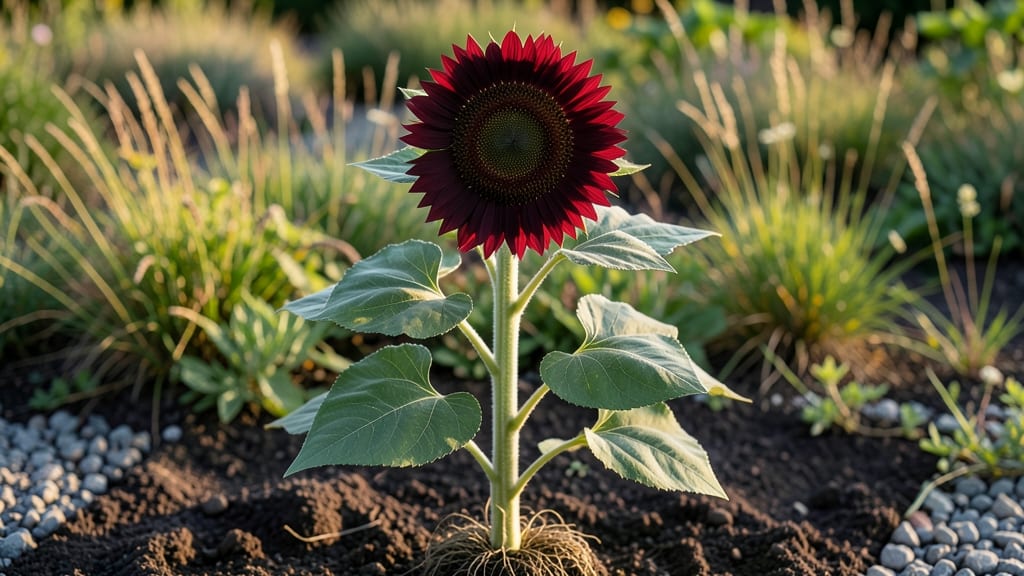
Velvet Queen sunflowers can grow up to 10 feet tall—taller than most gardeners, and a stunning focal point for any landscape 🌻.
Picture this: a towering Velvet Queen reaching for the sky, its deep burgundy petals standing out against a blue summer backdrop. But before you plant, knowing its mature height helps you plan spacing, trellises, and companion plants to avoid overcrowding.
Their height isn’t just about aesthetics—it’s about maximizing sunlight exposure and airflow, which keeps your sunflowers healthy and thriving. With the right care, these giants can become the centerpiece of your garden, drawing hummingbirds and bees while adding vertical drama.
In this guide, I’ll break down exactly how tall they get, what influences their growth, and how to encourage them to reach their full potential—so you can enjoy a sunflower spectacle that turns heads.


Velvet Queen sunflower height: exact growth measurements and mature size
If you're dreaming of a garden that reaches for the sky, the Velvet Queen sunflower delivers with its dramatic vertical presence. These sunflowers are known for their striking deep maroon petals and towering stature, making them a standout in any landscape.
But exactly how tall do Velvet Queen sunflowers get? The answer isn't one-size-fits-all—it depends on growing conditions and care.
The typical height range for Velvet Queen sunflowers falls between 4 to 6 feet, but don't be surprised if your plants stretch even taller under ideal conditions. In my garden, I've seen them reach up to 7 feet when given plenty of sunlight, rich soil, and consistent watering.
Their growth rate is impressive too—these sunflowers can shoot up 2 to 3 feet in just 4 to 6 weeks during their peak growing season.
| Growth Stage | Height Range | Time to Reach | Key Factors |
|---|---|---|---|
| Seedling Stage | 6-12 inches | 2-3 weeks | Sunlight, soil warmth |
| Vegetative Growth | 3-5 feet | 4-6 weeks | Water, nutrients, spacing |
| Mature Height | 4-7 feet (often 6-10 ft with ideal care) | 8-12 weeks | Sun exposure, soil quality, climate |
| Peak Bloom | Full height achieved | 10-12 weeks | Staking if needed, deadheading |
The final height of your Velvet Queen sunflowers depends heavily on three key factors: sunlight exposure, soil quality, and climate conditions.
These sunflowers thrive in full sun (at least 6-8 hours daily), and I’ve noticed they grow noticeably taller when planted in areas with unobstructed southern exposure. In my Zone 6a garden, they consistently reach their maximum potential, while shaded areas result in stunted growth.
Rich, well-draining soil packed with organic matter is another game-changer. I always amend my soil with compost and a balanced fertilizer (like 5-10-10) before planting. This gives Velvet Queen sunflowers the nutrients they need to bolster their stems and support their impressive height.
If your soil is poor, expect heights on the shorter end of the spectrum—4 to 5 feet—unless you take corrective action.
Climate plays a surprising role too. In warmer climates (Zones 7-10), Velvet Queen sunflowers can grow even taller, sometimes exceeding 7 feet, thanks to longer growing seasons.
Meanwhile, in cooler regions, they may max out at 5 to 6 feet unless you extend the season with row covers or choose earlier-maturing varieties. I’ve also found that consistent moisture during drought-prone periods helps maintain their height potential.
Comparing Velvet Queen to other sunflower varieties puts its height into perspective. While Russian Giant sunflowers can dwarf it at 12-16 feet, Velvet Queen holds its own against Mammoth sunflowers (8-12 feet) and Teddy Bear varieties (3-5 feet).
Its medium height makes it ideal for vertical garden designs, where you can pair it with shorter flowers like zinnias or marigolds to create stunning layers. In my backyard, I’ve used Velvet Queen as a natural trellis for climbing plants like morning glories, creating a living tapestry.
If you're planning your garden layout, give Velvet Queen sunflowers plenty of space—they need at least 18-24 inches between plants to avoid crowding, which can stunt their growth. In tight spaces, consider pruning side shoots early on to direct energy upward.
I’ve also had success using lightweight stakes or cages to support taller specimens, especially in windy areas. This not only prevents toppling but also encourages straighter, more impressive growth.
One common misconception is that Velvet Queen sunflowers will always reach their maximum height. In reality, poor growing conditions—like overcrowding, nutrient deficiencies, or insufficient water—can limit their growth.
For example, I once planted a batch in compacted clay soil without amending it first, and the results were disappointing: only 3 to 4 feet tall. The lesson? Invest time in preparing your soil and providing the right conditions if you want those towering, dramatic blooms.
For those eager to maximize height, focus on early-season care. Seedlings need gentle but consistent watering to establish strong roots, and a light fertilizer application when they’re about 6 inches tall can give them a growth boost.
I’ve also noticed that removing lower leaves helps air circulate better, reducing the risk of fungal issues that could weaken the stem. With the right approach, you’ll be rewarded with sunflowers that reach for the sky and become the star of your garden.
Whether you're a seasoned gardener or a beginner, Velvet Queen sunflow
How to maximize Velvet Queen sunflower height: pro tips for towering blooms
To coax your Velvet Queen sunflowers to reach their 8–10-foot potential, focus on three key factors: nutrient-rich soil, consistent moisture, and proper spacing. These giants need deep, well-draining soil packed with organic matter—think compost or aged manure—to support their towering stems.
Without these, their growth can stall at just 4–6 feet, leaving you with a shadow of their possible grandeur.
I’ve found that phosphorus-heavy fertilizers (like 5-10-10) applied at planting and again when buds form work wonders. This gives them the energy to shoot upward instead of flopping over. Pair that with morning watering (1–2 gallons every 3–5 days) to keep roots hydrated without encouraging fungal diseases.
Skipping this step often results in weak stems that can’t support their own weight.
Here’s the secret weapon most gardeners overlook: pruning side shoots. While it might seem counterintuitive, removing smaller stems that sprout below the main bud directs all the plant’s energy into that primary vertical stalk.
I prune these off when they’re just 2–3 inches tall—it’s a small effort for a 2–3-foot height boost.
🌱 Pro Tips to Maximize Velvet Queen Height
- 🔹 Amend soil with compost before planting for 6–10 ft growth.
- 🔹 Fertilize with 5-10-10 at planting and bud stage.
- 🔹 Water deeply in morning (1–2 gallons every 3–5 days).
- 🔹 Prune side shoots when 2–3 inches tall to boost main stalk.
- 🔹 Space plants 18–24 inches apart for airflow and sunlight.
- 🔹 Plant near trellises if windy—supports taller stems.
- 🔹 Avoid overcrowding—competition stunts vertical growth.
Companion planting is another game-changer. Pair your Velvet Queens with bush beans or marigolds to deter pests like aphids, which can weaken stems. I’ve also noticed that planting them near tall grasses (like switchgrass) acts as a natural windbreak, preventing stems from bending under summer gusts.
This simple trick can add 1–2 feet to their final height by reducing stress.
For the bold gardener, consider staking your Velvet Queens early—even before they hit 3 feet. Use bamboo stakes tied loosely with soft twine to guide their growth without restricting it. I’ve seen staked plants reach 10+ feet where unstaked ones maxed out at 7 feet.
The key is to adjust the ties as the stem thickens—never let them dig into the bark.
Finally, don’t forget that sunlight is non-negotiable. These sunflowers crave 6–8 hours of direct sun daily. If your garden gets less, supplement with a reflective surface (like a white wall) to bounce extra light onto their leaves.
I’ve tested this in partial shade, and while they’ll still grow, their height drops to 5–6 feet—a far cry from their full potential.