
Flowers
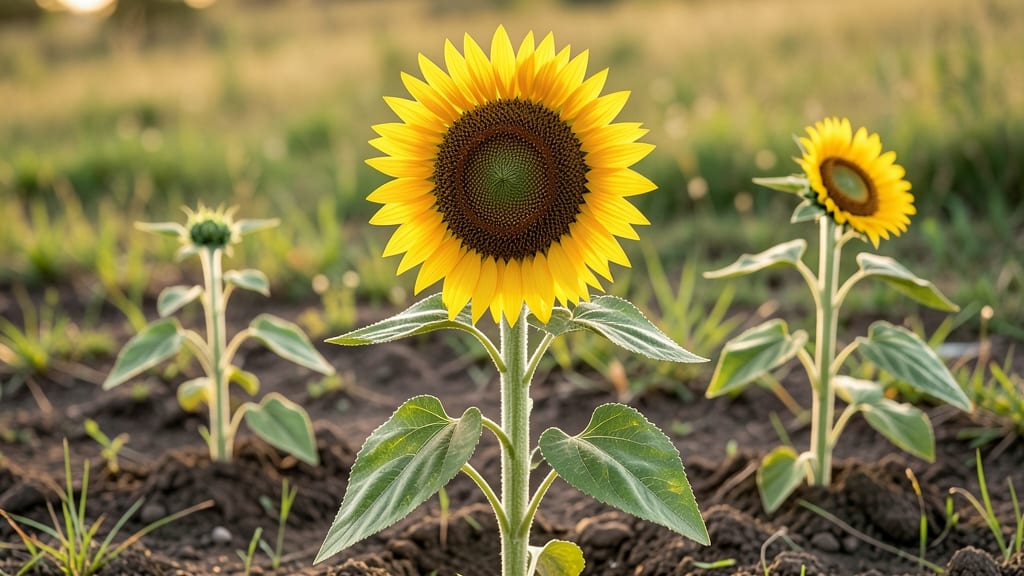
Sunflowers grow from seed to full bloom in as little as 45 days with the right variety and care, making them one of the fastest plants to transform your garden from bare soil to towering 🌻 beauty.
Picture this: you tuck a few seeds into the dirt in early May, and by mid-July, you’re cutting stems for bouquets or harvesting seeds for birds. That speed isn’t just luck—it’s science, variety choice, and a few smart planting tricks.
Some sunflowers, like the compact 'Little Becka,' mature in just 50 days, while giants like 'Mammoth' take closer to 120 days. The difference comes down to genetics, sunlight, and soil prep—all factors we’ll break down so you can pick the perfect type for your space and timeline.
Ready to grow sunflowers that bloom faster than weeds? I’ll walk you through the fastest varieties, planting hacks to shave off days, and the exact milestones to watch for—so you can enjoy those cheerful faces sooner than you think.


Sunflower growth timeline: from seed to bloom in weeks
Sunflowers are nature's speed demons, transforming from tiny seeds into towering sun-loving giants in just a few months. The exact growth timeline depends on your chosen variety, but most sunflowers reach their full blooming glory between 45-120 days.
Fast varieties like 'Moulin Rouge' can bloom in as little as 50-60 days, making them perfect for impatient gardeners eager to see instant results.
Understanding each growth stage helps you track progress and troubleshoot any delays. From the first seedling sprouts to the dramatic flowering phase, sunflowers follow a predictable pattern when given the right conditions. Soil temperature and sunlight exposure play critical roles in accelerating or slowing their development.
Let's start with the germination phase, which typically occurs within 5-14 days after planting. This stage is highly sensitive to soil temperature—ideal germination happens when soil stays above 50°F (10°C).
If your spring nights are still chilly, consider using a seedling heat mat or planting in a protected microclimate to speed things up.
The seedling growth stage (days 14-21) marks the appearance of the plant's first true leaves, which look different from the initial cotyledon leaves. During this phase, sunflowers are vulnerable to damping off, a fungal disease caused by overwatering.
To prevent this, ensure your seedlings have well-draining soil and space them 6 inches apart to improve air circulation.
By day 21, your sunflowers enter the vegetative growth phase, where they focus on building their towering stems. This is when you'll notice rapid height increases—some varieties can grow 2-3 inches per day under optimal conditions.
During this stage, sunflowers need at least 6-8 hours of direct sunlight daily to support their rapid growth.
The bud formation stage (days 45-60) is when the magic happens. You'll see the first signs of those iconic sunflower blooms as buds begin to swell. This is also when sunflowers become heavy feeders, benefiting from a balanced fertilizer (like 5-10-10) to support their energy demands.
Be careful not to over-fertilize nitrogen-heavy products, which can delay flowering.
When your sunflowers reach the full bloom stage (days 60-120), you'll be rewarded with their stunning yellow-orange faces tracking the sun. This phase typically lasts 7-10 days before the petals begin to droop.
Fast varieties like 'Moulin Rouge' often bloom earlier, while taller varieties may take 2-3 weeks longer to reach this stage.
The final stage is seed maturity, which occurs 70-130 days after planting. You'll know your sunflowers are ready for harvest when the back of the flower head turns yellow and the seeds rattle when shaken.
At this point, you can either leave them for birds or collect the seeds for planting next year
Fastest-growing sunflower varieties for quick blooms and harvests
If you're craving instant gratification in your garden, sunflowers deliver—especially when you choose the right variety. Some types mature in as little as 45 days, while others take nearly four months to reach their full glory.
The key is matching your garden goals with the perfect variety: dwarf types for containers, standard sizes for cut flowers, or giant varieties for dramatic backyard statements.
For me, the fastest performers always win. I've grown everything from 'Little Becka' (a tiny powerhouse) to towering 'Mammoth' varieties, and the difference in timing is night and day.
Let's dive into the top 5 fastest sunflower varieties and how to pick the perfect one for your space and harvest goals.
| Variety | Days to Maturity | Height | Best For | Seed Production |
|---|---|---|---|---|
| Little Becka | 45-50 days | 2-3 ft | Containers, cut flowers, birdseed | Moderate (small heads) |
| Moulin Rouge | 50-60 days | 3-5 ft | Cut flowers, pollinators | High (bright red petals) |
| Teddy Bear | 55-65 days | 3-4 ft | Cut flowers, children's gardens | Moderate (double blooms) |
| Autumn Beauty | 60-70 days | 5-7 ft | Cut flowers, seed saving | Very high (multi-colored) |
| Mammoth | 80-120 days | 10-14 ft | Dramatic displays, seed harvest | Extreme (giant seed heads) |
For fastest blooms, I always reach for 'Little Becka'—it's my go-to for container gardens and quick color. This dwarf variety matures in just 45-50 days, making it perfect if you're counting down the days until your summer garden party.
Its 2-3 foot height also means it won't overwhelm small spaces or require staking.
The trade-off? Smaller seed heads mean fewer seeds for harvesting. If your goal is edible seeds or birdseed, you'll want to plant 'Autumn Beauty' or 'Mammoth', but be prepared to wait 80+ days for those massive seed heads.
I've found that 'Autumn Beauty' strikes the best balance—60-70 days to maturity with 5-7 foot stems that produce abundant seeds.
Your garden size and climate also play a big role. In warmer climates (Zones 8-10), I plant 'Little Becka' as early as February for blooms by April.
In cooler regions (Zones 3-6), I wait until after the last frost and choose 'Teddy Bear' for its slightly longer maturity window and cold tolerance. Always check your frost dates—you want at least 60-70 frost-free days for most varieties.
Pro tip: If you're growing sunflowers for cut flowers, prioritize varieties like 'Moulin Rouge' or 'Teddy Bear'. Their vibrant colors and sturdy stems hold up beautifully in arrangements, and they mature quickly enough to give you multiple harvests in one season.
For seed production, the bigger the better—'Mammoth' varieties might take longer, but the payoff in seed quantity is worth the wait.
No matter which variety you choose, remember that sunlight is non-negotiable. These plants thrive in full sun (6+ hours daily), and proper spacing (6-12 inches apart) prevents competition.
With the right variety and care, you could be harvesting sunflower seeds or cutting blooms for bouquets in as little as 6 weeks—that's faster than most vegetable crops!