
How To
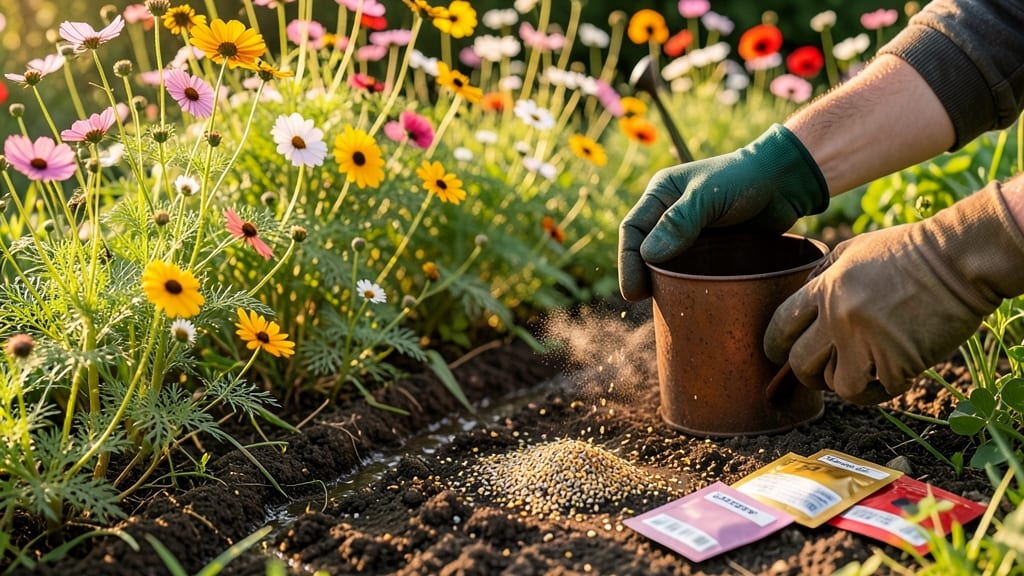
How fast do wildflower seeds grow can surprise you—some pop up in as little as 5 days, while others take 6 weeks or more to show their first green shoots.
Wondering how quickly your wildflower meadow will bloom? The growth speed of wildflower seeds varies dramatically by species—and knowing these timelines can help you plan your garden for maximum impact.
Fast bloomers like poppies and cosmos may reward you with vibrant colors in just 4-6 weeks, while hardier perennials like black-eyed Susans take 6 months or longer to reach their full glory.
Below, I break down the growth stages by species, the factors that speed up or slow down germination, and how to create ideal conditions for a faster, more successful wildflower garden.


Wildflower seed germination and growth speed by species (fastest to slowest)
If you've ever planted wildflower seeds hoping for instant color, you know patience is key—but some species deliver faster blooms than others! The germination time and growth speed of wildflowers can vary from 5 days to 6 weeks for sprouting, and 4 weeks to 6 months until full bloom.
Understanding these timelines helps you set realistic expectations and plan your garden for continuous color. For example, annuals like cosmos may bloom in just 6-8 weeks, while perennials like coneflowers take 3-6 months to reach their peak.
Fast-growing wildflowers are perfect for quick meadows or filling gaps in your landscape, while slower species reward you with long-lasting blooms and pollinator support. The key to success? Matching your climate zone, soil prep, and planting season to each species' needs.
For instance, California poppies thrive in cooler springs, while black-eyed Susans prefer warmer soils. Let’s dive into the fastest and slowest wildflower species so you can plan your garden like a pro!
Pro Tip: Always check your USDA hardiness zone and local frost dates—these drastically affect germination speed. For example, planting bluebonnets too early in cold climates can delay sprouting by 2-3 weeks.