
How To
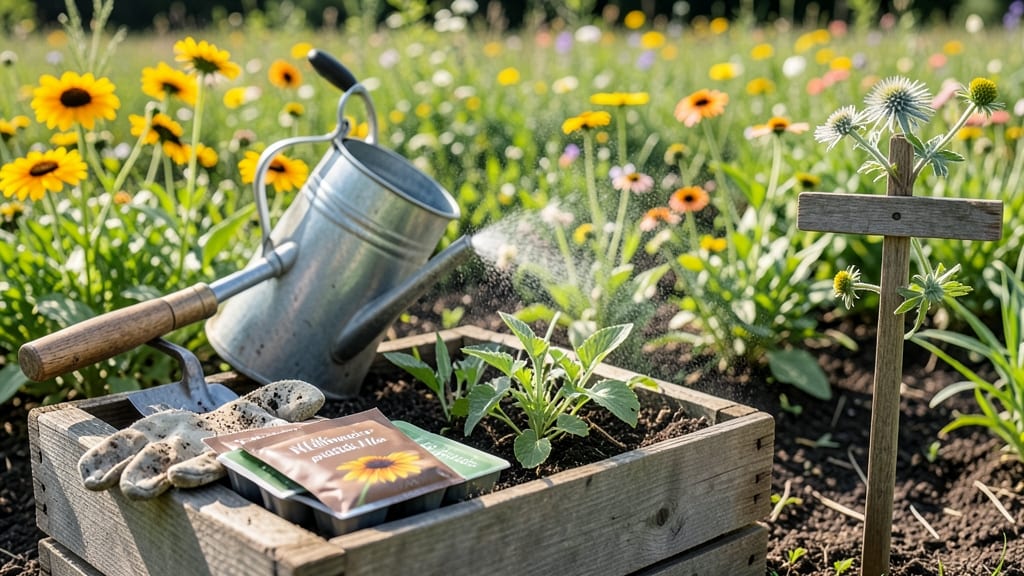
Wildflower seeds take anywhere from 2 weeks to 6 months to grow, depending on the variety and growing conditions — a timeline that can feel like forever when you’re waiting for that first burst of color.
Picture this: you’ve scattered your seeds in early spring, watered them gently, and now you’re staring at a patch of dirt wondering, “Where’s the bloom?” The truth is, some wildflowers like cosmos and zinnias pop up fast, while others, like black-eyed Susans, play the long game.
Knowing the exact timeline helps you set realistic expectations and troubleshoot delays before they happen.
In this guide, we’ll break down the growth stages by variety, from the fastest germinators to the slow-and-steady bloomers. You’ll also discover how soil prep, sunlight, and even your local climate can speed up—or slow down—the process. No more guessing when your meadow will finally burst into vibrant blooms.
Ready to transform your garden into a seasonal showstopper? Let’s dive into the science behind wildflower growth so you can plan, plant, and enjoy the rewards without the wait.


Wildflower seed germination and growth timeline by fastest and slowest varieties
If you've ever wondered how long do wildflower seeds take to grow, the answer depends entirely on the variety.
Some wildflowers like cosmos and zinnias sprout in just 5–7 days and bloom in 6–8 weeks, while perennials like black-eyed Susans may take 20–30 days to germinate and 90–120 days to reach full maturity. Understanding these timelines helps you plan a season-long wildflower show with minimal gaps between blooms.
The secret to a vibrant meadow lies in mixing fast germinators with slow growers. For example, annuals like poppies often bloom within 30–45 days, while perennial coneflowers establish roots their first year and don't flower until year two.
This strategic pairing ensures your garden stays colorful from early spring through fall.
Here’s a quick reference for the fastest and slowest wildflower varieties, including their germination times and full bloom periods, so you can plan your planting schedule with precision.