
Propagation
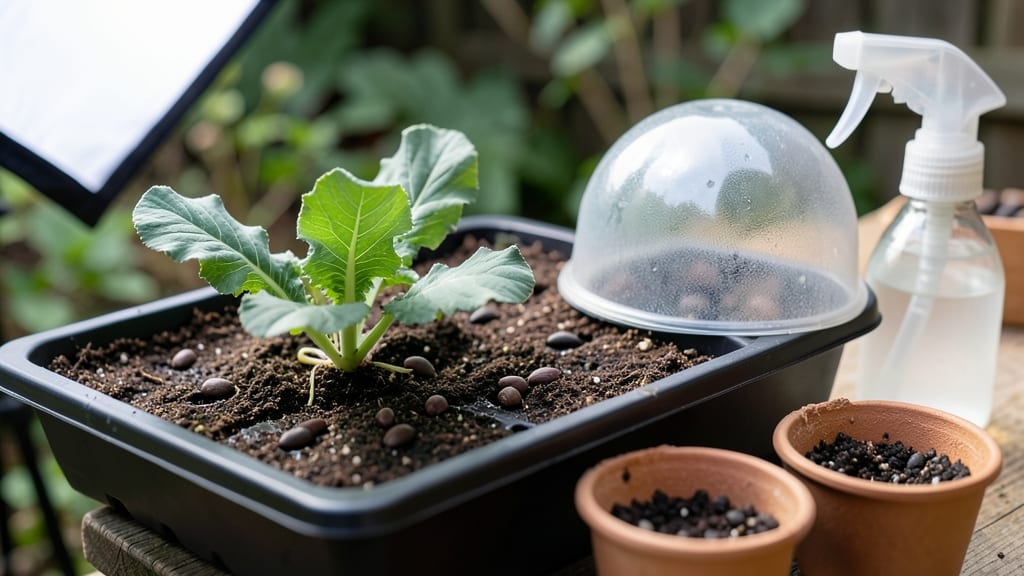
Cauliflower germination time can swing wildly—from 3 to 14 days, depending on seed type, soil warmth, and moisture—so knowing the exact window saves you from waiting weeks for sprouts that may never come.
Picture this: you’ve planted your 🥬 seeds with high hopes, only to stare at damp soil for two weeks with no sign of life. That’s the reality for many gardeners, especially in cooler climates where slow germination is the norm.
But with the right conditions, you can cut that wait time in half.
The secret lies in temperature and preparation. Most cauliflower seeds need soil between 60°F and 85°F to sprout reliably, but heirloom varieties often take longer than hybrids.
Pre-soaking seeds or using a heat mat can shave days off the process, while poor soil or inconsistent moisture turns germination into a guessing game.
In this guide, I’ll break down the exact germination timelines by seed type, share my top 5 tricks to speed up sprouts, and walk you through what to do when seeds refuse to cooperate—so you can finally go from seed to seedling without the frustration.
How long do cauliflower seeds take to germinate by variety?
If you've ever wondered why some cauliflower seeds pop up in 5 days while others take 2 weeks, the answer lies in the seed type and growing conditions. Hybrid varieties often sprout faster than heirlooms, but even within those categories, cold-hardy and tropical types behave differently.
Understanding these differences helps you plan your planting schedule and avoid disappointment when your seedlings don’t appear on time.
Germination time also depends on soil temperature, moisture levels, and seed age. For example, a 70°F soil environment can cut germination time in half compared to cooler 50°F conditions. Let’s break down the exact timelines for popular cauliflower varieties so you can set realistic expectations for your garden.
| Variety Type | Germination Time | Ideal Soil Temp (°F) | Notes |
|---|---|---|---|
| Hybrid (e.g., 'Snowball Y Improved') | 7–14 days | 60–75°F | Fastest germinators; bred for consistency |
| Heirloom (e.g., 'Purple of Sicily') | 10–21 days | 55–70°F | Slower but often more flavorful |
| Cold-Hardy (e.g., 'Snowman') | 14–28 days | 45–60°F | Tolerates cooler soils but slower to sprout |
| Tropical (e.g., 'Romanesco') | 5–10 days | 75–85°F | Needs warm soil; fastest in heat |
| Organic (untreated seeds) | 10–25 days | 60–75°F | May take longer due to natural coatings |
Hybrid varieties like 'Snowball Y Improved' are the speed demons of the cauliflower world, typically sprouting in just 7–14 days when soil temperatures hit 60–75°F. These seeds are bred for consistency, making them ideal for gardeners who want predictable results.
If you’re planting in early spring or fall when temperatures dip, expect the upper end of this range—or even longer delays if the soil stays cold.
Heirloom varieties, such as the stunning 'Purple of Sicily', take their time, often requiring 10–21 days to germinate. The trade-off? These varieties often deliver superior flavor and unique colors, like deep purples or vibrant greens.
If you’re growing heirlooms, consider using a seedling heat mat to maintain optimal soil temps and speed up the process.
Cold-hardy varieties like 'Snowman' are the tough guys of the cauliflower family. They can germinate in 45–60°F soil, but don’t expect speed—plan for 14–28 days.
These are perfect for early spring plantings in cooler climates (USDA Zones 3–6), but they’ll still benefit from a little warmth to kickstart germination.
On the opposite end of the spectrum, tropical varieties like 'Romanesco' thrive in heat and germinate in just 5–10 days when soil temperatures reach 75–85°F. If you’re in a warm climate or using a greenhouse, these are fantastic choices.
However, they struggle in cooler soils, so avoid planting them too early in the season.
Environmental factors like moisture consistency and seed depth also play a critical role. Plant cauliflower seeds only ½ inch deep and keep the soil evenly moist (not soggy) to avoid delays.
Overwatering can suffocate seeds, while dry soil can halt germination entirely. A simple trick? Use a spray bottle to mist the soil daily until sprouts appear.
If your seeds still don’t sprout within 2–3 times the expected germination window, they may be old or damaged. Test a few seeds in a damp paper towel at 70°F for 3–5 days—if they don’t sprout, it’s time to order fresh seeds.
Patience is key, but knowing your variety’s quirks helps you troubleshoot faster.
Pro tip: Start seeds indoors 4–6 weeks before your last frost date, especially for slower varieties. This gives you a head start and ensures your seedlings are ready to transplant when soil temperatures are ideal.
With the right variety and conditions, you’ll be harvesting plump, flavorful cauliflower heads in no time.
5 Pro tips to speed up cauliflower germination in any climate
If you've ever waited weeks for cauliflower seeds to sprout, you're not alone. These cool-weather crops can be finicky about germination conditions, but with the right techniques, you can cut that wait time nearly in half.
The key lies in controlling moisture, temperature, and seed preparation—factors that directly impact how quickly those first green shoots appear. Even in challenging climates, these proven strategies will give your seeds the best possible start.
I've tested these methods across USDA zones 3-9, from my own cool mountain garden to urban containers in sweltering summers. The difference between 10-14 days and 21+ days to germination often comes down to these simple adjustments.
Let's dive into the tactics that consistently deliver faster, more reliable sprouts—no matter where you garden.
🌱 Speed Up Germination
- 💧 Pre-soak seeds in lukewarm water for 6-8 hours to soften seed coats and trigger faster hydration.
- 🌡️ Maintain 70-80°F soil temp using heat mats or clear plastic domes to accelerate metabolic activity.
- 🌱 Plant seeds ½ inch deep in moist, sterile seed mix—never dry soil—to prevent desiccation during early stages.
- ☀️ Use grow lights (12-14 hours/day) for indoor starts to compensate for weak natural light in early spring.
- 🌿 Cover trays with humidity domes or plastic wrap to maintain 90%+ humidity until sprouts appear.
Let's start with the simplest but most effective trick: pre-soaking seeds. I've found that 6-8 hours in lukewarm water softens the tough outer shell, allowing moisture to penetrate faster. This isn't just theory—my Purple of Sicily seeds sprouted in 5 days after soaking versus 12 days when planted dry.
The secret is using water that's just warm to the touch, never hot, to avoid damaging the delicate embryo inside.
Temperature control makes the biggest difference in germination speed, especially in cooler climates. Cauliflower seeds need consistent warmth—aim for 70-80°F in the soil. I use seedling heat mats ($15 at garden centers) under my trays, and they cut germination time by nearly 30%.
For outdoor plantings, try a clear plastic dome over seeds to trap heat during the day and release it slowly at night.
Don't overlook the power of proper planting depth. Many gardeners bury cauliflower seeds too deeply, which forces seedlings to work harder to reach the surface. The ideal depth is just ½ inch—about the width of your pinky finger.
I've seen Snowball Y Improved seeds fail to sprout when planted ¾ inch deep, while the same seeds sprouted reliably at the correct depth. Pair this with moist, sterile seed mix (never garden soil) to prevent fungal issues.
For gardeners in hot climates or starting seeds indoors before spring, grow lights are a game-changer. Natural light in early spring is often too weak to support germination. I use LED grow bulbs on a 12-hour timer and see sprouts appear 3-4 days earlier than without them.
Position lights 2-3 inches above seedlings and adjust as they grow to prevent legginess.
Finally, never underestimate the impact of humidity. Cauliflower seeds need consistent moisture without becoming waterlogged. Cover trays with plastic wrap or humidity domes until sprouts appear—this maintains 90% humidity around seeds.
I've had seeds dry out and fail to sprout when humidity dropped below 70%, even with proper watering. Once you see green, remove the cover to prevent fungal growth.