
Plants
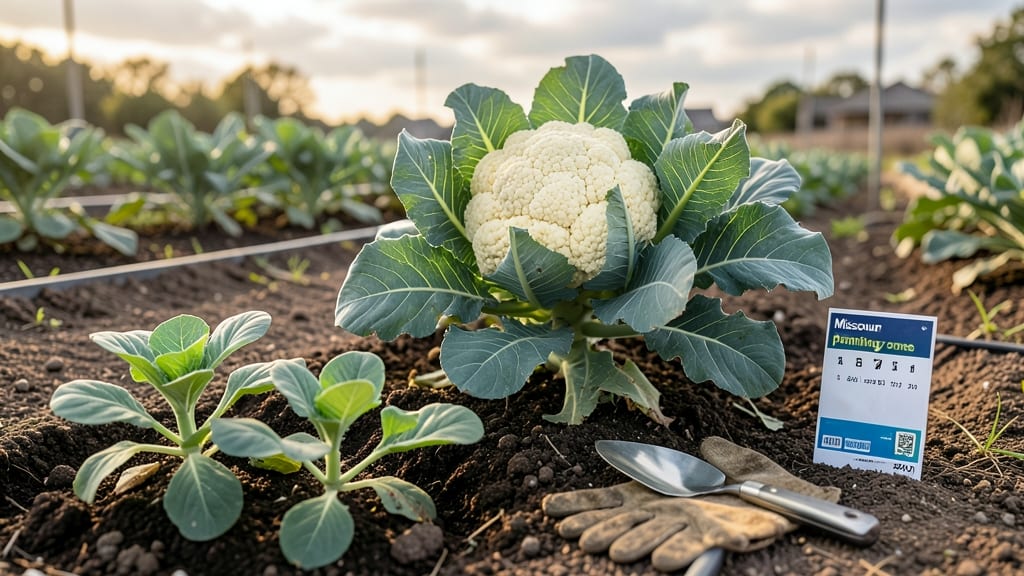
Planting cauliflower in Missouri at the right time means the difference between a lush, harvest-ready 🥬 crop and one that bolts or rots in the heat.
Missouri gardeners know timing is everything—and planting cauliflower too early or late can mean the difference between a bountiful harvest and wilted disappointment. With Missouri’s unpredictable frost dates and USDA Zones 5-6 climate, knowing exactly when to start seeds indoors and transplant outdoors is critical for success.
Cauliflower thrives in cooler weather, so the key is to get it in the ground 4-6 weeks before your last frost date—typically late March to early April for most of the state.
But don’t stop there: fall planting is also possible if you act fast in July or August for a late-season harvest.
In this guide, I’ll break down the exact planting windows for your zone, how to prep your soil, and the simple tricks to protect your crop from Missouri’s tricky weather. Ready to grow the best cauliflower yet?
Missouri cauliflower planting timeline: indoor start dates and frost-free transplant windows
Cauliflower thrives in Missouri’s cool-season climate, but timing is everything to avoid frost damage or bolting from summer heat. The key is starting seeds indoors 4-6 weeks before your last frost date, then transplanting outdoors when soil warms to 50°F and nighttime temperatures stay above 40°F.
For Missouri’s USDA Zones 5-6, this typically means March 1–April 15 for spring planting.
Missouri’s average last frost date falls between April 15 and May 15, but late frosts can push this back. Always check your local frost-free date using the Missouri State Climatologist’s reports or plant a backup row with row covers if frost lingers.
For fall harvests, aim to transplant by July 15 to mature before the first frost in October.
Here’s your Missouri cauliflower planting timeline broken down by stage, including indoor start dates, transplant windows, and soil temperature requirements to maximize success:
| Stage | Action | Missouri Timeline (Zone 5-6) | Soil Temp Requirement |
|---|---|---|---|
| Indoor Seed Starting | Sow seeds in trays with seedling mix | March 1–April 1 (4-6 weeks before last frost) | 65–75°F (use grow lights if needed) |
| Seedling Hardening Off | Acclimate seedlings to outdoors (5–7 days) | Late April–early May | N/A (outdoor temps 50°F+) |
| Outdoor Transplant | Plant seedlings 18–24" apart in full sun | April 15–May 15 (after last frost) | 50°F minimum (warmer is better) |
| Fall Transplant Window | Transplant for late-season harvest | July 15–August 15 (100–120 days before first frost) | 50°F minimum (cool nights ideal) |
| Harvest Ready | Pick heads when firm and compact | May–June (spring) or September–October (fall) | N/A (harvest before frost) |
🌱 Pro Tip: Use row covers for 2–3 weeks after transplanting to protect young plants from late frosts or pests.
For spring planting, I recommend starting seeds indoors by March 15 to ensure seedlings are robust enough for transplanting by April 15. If you’re in northern Missouri (Zone 5b), err on the earlier side—March 1–March 15—since frosts can linger until May 1.
In southern Missouri (Zone 6b), you can push indoor starts to March 20–April 1 for a slightly later transplant.
Missouri’s soil temperature is critical—cauliflower roots struggle in cold, wet soil. Wait until the ground warms to at least 50°F (test with a soil thermometer) before transplanting.
If your soil is still chilly, use black plastic mulch to warm it faster. Direct sowing isn’t recommended for cauliflower in Missouri due to its long germination time (10–21 days) and sensitivity to cold.
Don’t forget to amend your soil with compost or aged manure before planting—cauliflower is a heavy feeder and needs rich, fertile soil with a pH of 6.0–7.0.
A balanced fertilizer (5-10-10) at transplanting and again when heads form will give your plants the nutrients they need to thrive. Consistent moisture is also key; let the top inch of soil dry between waterings to prevent rot.
If you miss the spring window, don’t despair—cauliflower also grows well in fall. For a late-season harvest, transplant seedlings by July 15 to mature before October’s first frost.
Choose fast-maturing varieties like ‘Snowball Y Improved’ (70 days) or ‘Purple of Sicily’ (80 days) for shorter growing seasons. Just be sure to protect plants with row covers if frost threatens.
One common mistake Missouri gardeners make is planting too late in spring, which causes cauliflower to bolt prematurely as summer heat arrives. If you’re unsure about your last frost date, check the Missouri Botanical Garden’s frost calendar or ask your local Cooperative Extension office for region-specific advice.
How to extend your Missouri cauliflower season: fall planting tips and frost protection
Fall planting lets you enjoy homegrown cauliflower when summer heat fades—just in time for holiday meals. In Missouri, where first frost often hits by mid-October, a late-season harvest is possible if you time it right.
The trick is to start transplants in late July or early August, giving your plants 85-100 days to mature before cold sets in.
Missouri’s USDA Zones 5-6 mean you’ll need to protect your fall crop from early frosts. Unlike spring planting, where you can push the envelope slightly, fall requires precise timing and extra care.
A 10-day window between July 25 and August 5 is ideal for most varieties to reach harvest before temperatures drop.
- 📅 Start transplants indoors by July 1-7 (4-6 weeks before outdoor planting).
- 🌡️ Transplant outdoors when soil temps drop below 85°F (late July/early August).
- 🛡️ Use row covers or low tunnels after September 15 to delay frost damage.
- ✂️ Harvest before heads loosen (aim for September-October timing).
- 🌡️ Monitor forecasts—Missouri’s first frost can arrive as early as October 10.
A cold frame or row cover can extend your harvest by 2-3 weeks, even after light frosts. Place covers in the morning and remove during the day to prevent overheating.
For extra protection, choose fast-maturing varieties like ‘Snowball Y Improved’ (70 days) or ‘Purple of Sicily’ (85 days), which can handle cooler temps better than slower growers.
Missouri’s humidity and heat in late summer can stress cauliflower plants, so focus on consistent moisture and partial shade during the hottest afternoons. Mulch with straw or grass clippings to keep roots cool and retain moisture.
Avoid overhead watering, which can spread fungal diseases like downy mildew—a common issue in Missouri’s damp fall air.
If you miss the July window, don’t despair—August transplants can still work if you use black plastic mulch to warm the soil and protect young plants. This method buys you 10-14 extra days of growing time before frost. Just be prepared to harvest smaller heads, as the season shortens.
Remember, fall-planted cauliflower tastes sweeter after a light frost, but you’ll need to act fast. With the right variety, protection, and timing, you can enjoy fresh, homegrown cauliflower well into October—just in time for your favorite recipes! 🥬