
Container Gardens
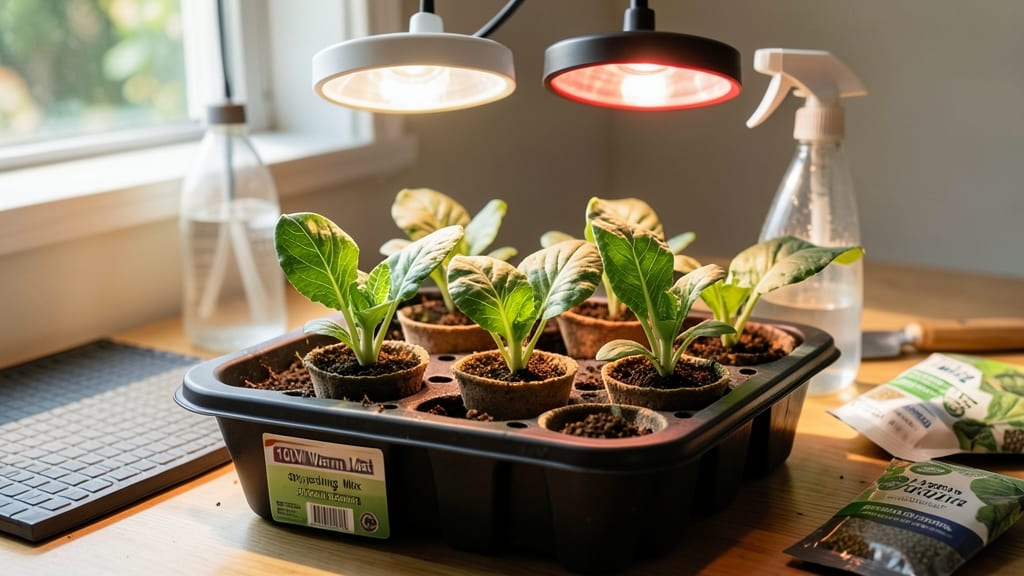
To start cauliflower seeds indoors, aim for 4-6 weeks before your last frost date—typically late February to early March in USDA Zone 6a.
Timing is everything when growing cauliflower from seeds indoors—plant too early, and you’ll face leggy seedlings; too late, and your harvest arrives after frost. Here’s the precise frost-free timeline you need to know, broken down by variety type.
Most cauliflower varieties need 75 days to mature, so calculating your local frost date is key. For example, in Zone 6a, starting seeds in late February ensures seedlings are ready by mid-April, just before the last frost.
Below, I’ll walk you through adjusting your schedule by climate zone, the best grow lights to use, and how to tell when seedlings are ready for transplanting outdoors.
Optimal indoor seed starting dates for cauliflower by variety type
Getting your cauliflower seeds indoors at the right time ensures strong, healthy seedlings ready for transplant when the weather warms. Since varieties mature at different rates, I’ll break down the ideal indoor seed starting windows for popular types like Snowball, Purple of Sicily, and Romanesco.
These timelines account for USDA zones 3-10 and your local last frost date.
Cauliflower seedlings typically need 6-8 weeks indoors before transplanting outdoors. Early varieties like Snowball Y Improved mature faster (around 60-70 days), while late varieties like Romanesco take 90-100 days to harvest. Adjust your starting date based on your frost-free zone and the maturity days of your chosen variety.
For example, gardeners in USDA zone 5 (average last frost: May 10) should start Snowball seeds indoors around March 15 to transplant by late April. Meanwhile, Purple of Sicily, which takes longer to mature, might need an earlier start—around February 20—to ensure a harvest before fall frost.
To calculate your local frost-free date, check your USDA zone and add 6-8 weeks to that date. For instance, if your last frost is April 15, count backward to determine when to start seeds.
Use a heat mat (70-75°F) and grow lights (14-16 hours/day) to speed up germination and prevent leggy seedlings.
For early varieties, aim to transplant seedlings when they’re 4-6 inches tall with 4-5 true leaves. Harden off seedlings for 7-10 days before moving them outdoors to toughen their stems.
In warmer zones (7-10), you can also try fall planting for a late harvest, starting seeds in late summer.
If you’re in a cool zone (3-4), consider using row covers or a cold frame to extend your growing season. This lets you transplant 2-3 weeks earlier without risking frost damage.
Always monitor your local weather forecasts for unexpected late frosts, especially in transition zones like USDA zone 6.
Pro tip: Label your seed trays with the variety name and starting date to avoid confusion. Overcrowded seedlings compete for nutrients, so thin them to 2-3 inches apart once they develop their first true leaves.
Use a sterile seed-starting mix to prevent damping off, a fungal disease that kills young seedlings.
Once your seedlings are ready for transplant, choose a sunny, well-drained spot in your garden. Cauliflower thrives in cool weather (60-70°F), so avoid planting during heatwaves.
Mulch around the base to retain moisture and keep roots cool. With the right timing, you’ll enjoy a bountiful harvest of tender cauliflower heads all season long!
How to adjust your cauliflower seed starting schedule by climate zone
Your local frost-free date is the foundation for timing cauliflower seeds indoors. I’ve grown cauliflower in USDA zones 5-8, and the biggest mistake I see is guessing instead of calculating.
For example, in zone 5, you’ll need to start seeds 6-8 weeks before your last frost date, while zone 9 gardeners can wait until 8-10 weeks before—because warmer climates have longer growing seasons. Always check your local agricultural extension for precise frost dates.
Next, account for cauliflower’s growth stages. Seeds germinate in 7-14 days at 70-75°F, then need 4-6 weeks to develop 4-6 true leaves before transplanting. If you’re using heat mats or grow lights, you can shave off 1-2 weeks from this timeline.
For instance, my Purple of Sicily seedlings grew 20% faster with a heat mat set to 75°F.
Here’s how to adjust your schedule by zone—including a checklist to avoid common pitfalls like overcrowded trays or light deprivation.
- Zone 3-4: Start seeds 8-10 weeks before last frost (mid-January to early February). Use grow lights for 14-16 hours/day to prevent leggy seedlings.
- Zone 5-6: Start seeds 6-8 weeks before last frost (late February to early March). Transplant when soil reaches 50°F—use row covers if nights dip below freezing.
- Zone 7-8: Start seeds 4-6 weeks before last frost (early March to mid-April). Heat mats speed up germination by 3-5 days in cooler starts.
- Zone 9-10: Start seeds 8-10 weeks before last frost (late January to early February). Fall planting is possible—start seeds in July-August for winter harvests.
- All Zones: Harden off seedlings for 7-10 days before transplanting. Acclimate by placing trays outside during the day (3-4 hours) and bringing them in at night.
For early varieties like Snowball Y Improved, I recommend starting seeds 2 weeks earlier than the zone guidelines above—they mature faster (55-60 days) and can handle cooler soils. Meanwhile, Romanesco varieties take 75-85 days, so adjust your schedule 1-2 weeks later to avoid transplant shock.
Pro tip: Use a seedling heat mat for the first 2 weeks to maintain 70-75°F soil temps. I’ve seen germination rates jump from 60% to 90% with consistent warmth.
Pair this with 12-14 hours of light daily—a south-facing window won’t cut it unless it’s bright and sunny all day. For indoor setups, LED grow lights are my top pick—they’re energy-efficient and mimic sunlight perfectly.
Finally, mark your calendar for transplanting day. Seedlings should be 4-6 inches tall with 4-6 true leaves and a sturdy stem. If you’re in zone 5 or colder, wait until soil temps hit 50°F—cold soil slows root growth and stresses plants.
In warmer zones (7-10), you can transplant 1-2 weeks earlier, but always monitor for heat stress (wilting or yellowing leaves).