
Planting
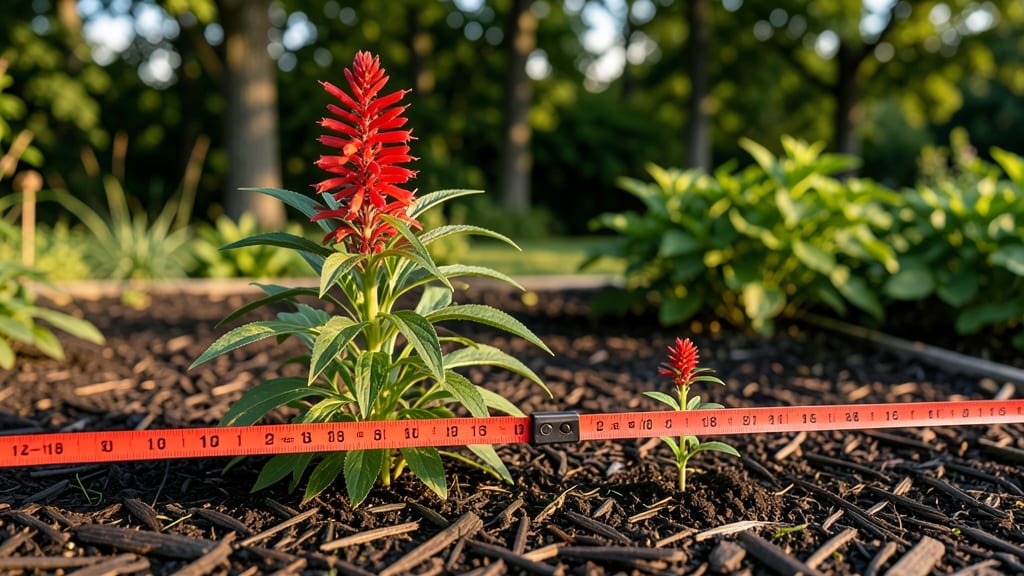
Spacing cardinal flowers correctly ensures those bold red blooms thrive from summer through frost—without crowding or disease.
Picture this: your garden bursting with fiery 🌸 cardinal flowers, their vibrant red petals attracting hummingbirds all season. But if you plant them too close, you’ll end up with leggy stems and fewer blooms—because proper spacing is the key to strong growth and continuous flowering.
Most gardeners space cardinal flowers 12 to 18 inches apart, but the right distance depends on your garden layout, sunlight, and even soil moisture. Get it wrong, and you risk stunted plants or fungal issues—especially in humid climates.
In this guide, I’ll walk you through the ideal spacing for borders, containers, and pollinator gardens, plus how to fix common mistakes that steal your cardinal flowers’ show-stopping potential.
Optimal cardinal flower spacing for maximum blooms and sunlight access
When planting cardinal flowers (Lobelia cardinalis), proper spacing between plants is the foundation for a garden bursting with vibrant red blooms from midsummer to frost.
These moisture-loving perennials grow 2-4 feet tall and thrive in partial shade, but their spacing needs go beyond just aesthetics—it directly impacts airflow, sunlight exposure, and disease resistance.
Crowding plants too closely creates a humid microclimate that invites fungal diseases like powdery mildew, while over-spreading them wastes garden space and reduces bloom production.
Research shows that 12-18 inches apart is the ideal cardinal flower spacing for most garden conditions. This range balances root competition with sunlight access, allowing each plant to develop a sturdy stem and abundant flower spikes.
In moist, well-drained soil (their preferred environment), you can lean toward the 18-inch spacing to give roots room to spread. For drier conditions or smaller gardens, tighten to 12 inches but be prepared for slightly smaller plants.
Here’s why this spacing works: Cardinal flowers have deep taproots that need space to access moisture, while their erect growth habit benefits from airflow to prevent leaf diseases.
The 12-18 inch range also ensures that morning sunlight (their preferred 4-6 hours) reaches the lower leaves, which helps prevent leggy growth and pale flowers. Think of it as creating a sunlight corridor between plants—this simple adjustment can double your bloom count per square foot!
| Factor | Optimal Specification | Why It Matters |
|---|---|---|
| Spacing Range | 12–18 inches apart | Balances root space and sunlight access |
| Row Spacing | 18–24 inches | Prevents overcrowding in long beds |
| Container Groupings | 3–5 plants per 12" pot | Ensures airflow in confined spaces |
| Sunlight Exposure | 4–6 hours morning sun | Prevents leaf burn and leggy growth |
| Soil Moisture | Consistently moist | Critical for vibrant red blooms |
If you’re planting cardinal flowers in a border or mixed bed, aim for 18-inch spacing to create a natural, layered look. Pair them with taller perennials like Joe Pye weed (which they adore in the wild) or shorter companions like asters to maximize vertical space.
In containers or small gardens, group 3–5 plants together in a 12-inch pot—this creates a dramatic focal point while maintaining airflow. Just avoid planting them in full shade, where they’ll stretch and produce fewer, weaker blooms.
Proper spacing also extends the blooming season. When plants aren’t competing for nutrients or sunlight, they devote more energy to producing bright red flower spikes that attract hummingbirds.
I’ve seen gardens where overcrowded cardinal flowers produced blooms for only 4 weeks, while properly spaced plants kept their fiery display going for 10+ weeks. The difference? Airflow and sunlight access—two factors you control entirely through spacing.
For rain gardens or wetland edges, you can stretch spacing to 24 inches apart if the area is very moist. Cardinal flowers naturally grow in swamps and stream banks, so they’ll handle extra space when water is abundant.
However, in drier microclimates, reduce spacing to 12 inches and mulch heavily to retain moisture. A 3-inch layer of mulch (like shredded bark) also suppresses weeds, which compete with your cardinal flowers for water and nutrients.
One common mistake is assuming that more plants equal more blooms. In reality, overcrowding cardinal flowers leads to pale, sparse blooms and increased disease risk.
I once saw a garden where 8 plants were crammed into a 4-foot square, and by midsummer, half had fungal spots and only 2 produced flowers. The fix? Thinning to 4 plants with 18-inch spacing resulted in all 4 blooming vigorously the following year.
Start with the right spacing, and you’ll avoid costly corrections later.
To visualize spacing, imagine a grid system where each cardinal flower has its own 12x12 inch square (or 18x18 inch for ideal conditions). This creates a structured yet natural arrangement that’s easy to maintain.
Use a string and stakes method to mark your spacing before planting—it saves time and ensures consistency. For pollinator gardens, stagger plants in a staggered grid pattern to create a continuous nectar source for hummingbirds and bees.
Remember, cardinal flowers are perenn
How to space cardinal flowers in different garden layouts
Cardinal flowers (Lobelia cardinalis) thrive when spaced thoughtfully to maximize their bold red blooms while preventing competition. The right spacing ensures airflow circulation, reducing fungal risks and extending the summer-to-frost flowering season.
Whether you're designing a border garden, container arrangement, or pollinator meadow, these strategies will help you create a stunning, functional display.
Each garden layout demands a slightly different approach. For example, border gardens benefit from tighter spacing to create a dense, eye-catching edge, while container gardens require careful plant density calculations to avoid overcrowding.
Meanwhile, rain gardens and pollinator meadows need wider spacing to support robust root systems and attract beneficial insects. Let’s explore the best spacing techniques for each scenario.
🌸 Cardinal Flower Spacing Guide by Layout
- Border Gardens: Space 12-15 inches apart in rows 18 inches apart for a dense, layered look. Use taller plants behind cardinal flowers to create a vertical focal point.
- Containers: Plant 1-2 plants per 12-inch pot or 3-4 plants per 18-inch container. Ensure pots have drainage holes to prevent root rot.
- Rain Gardens: Space 18-24 inches apart to accommodate wider root zones and improve water absorption in wetter areas.
- Pollinator Meadows: Use 24-36 inches apart in clusters of 3-5 plants to create visual groupings for bees and hummingbirds.
For border gardens, I recommend staggering plants in a staggered grid pattern to fill gaps naturally. This technique mimics the way cardinal flowers grow in moist woodland edges, their native habitat.
Pair them with hostas or ferns to complement their height and provide shade for their partial-shade needs.
In containers, cardinal flowers perform beautifully when combined with moisture-loving companions like impatiens or lobelia. A 12-inch pot with a single cardinal flower and a trailing plant creates a balanced, cascading effect. Remember to water containers daily during hot spells to keep the soil consistently moist.
When designing a rain garden, place cardinal flowers in the middle moisture zone where they’ll receive 4-6 hours of morning sun and benefit from seasonal water fluctuations. Space them 18-24 inches apart to allow roots to spread without competing for nutrients in waterlogged soil.
For a pollinator-friendly meadow, group cardinal flowers in small clusters surrounded by native grasses and wildflowers. This creates a naturalistic habitat that attracts hummingbirds and bees while reducing the risk of pests or diseases that thrive in dense monocultures.
Pro tip: Mark your spacing with biodegradable plant markers or a string line to ensure even distribution. Adjust spacing slightly if your soil is clay-heavy (space wider) or sandy (space closer). With the right layout, your cardinal flowers will reward you with season-long color and a thriving ecosystem. 🌿