
Flowers
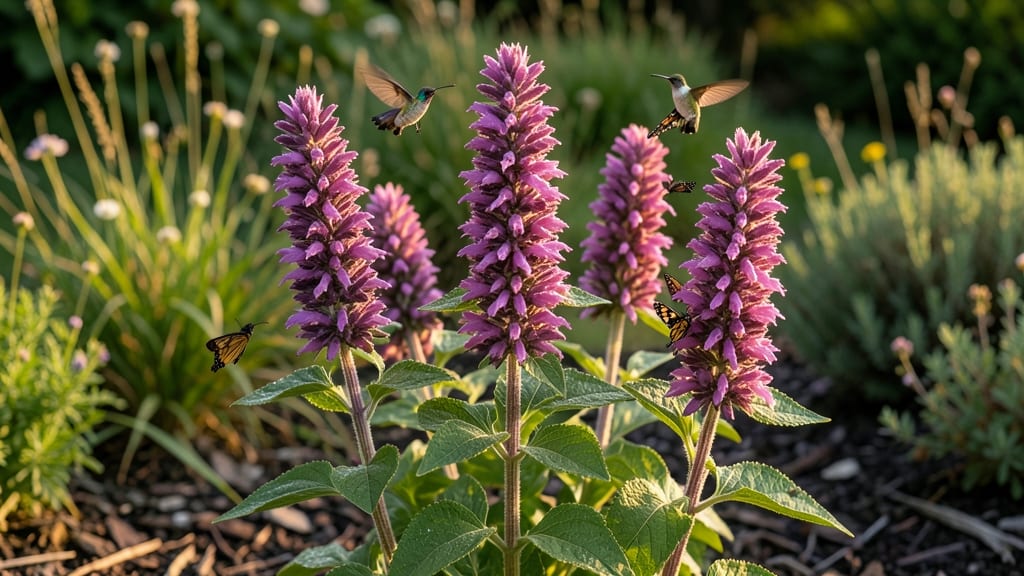
Perennial flowers hummingbirds like are the secret weapon in any garden, turning your yard into a buzzing, jewel-toned oasis without the annual replanting hassle.
If you’ve ever watched a hummingbird hover like a tiny, iridescent helicopter, you know their presence transforms any garden into a living jewel box—but attracting them year after year requires the right perennial flowers.
These pollinator powerhouses not only thrive without replanting but also pack the nectar hummingbirds crave, ensuring visits from spring through fall. Whether you’re designing a pollinator-friendly border or simply want to add vibrant color, the right perennials make it effortless.
Below, I’ll share the top 10 perennials that guarantee hummingbird visits, their care essentials, and how to arrange them for maximum impact—so you can enjoy these tiny acrobats all season long.
Top 10 perennial flowers that attract hummingbirds all season
Creating a hummingbird haven in your garden starts with the right perennial flowers—plants that return year after year with high nectar production and vibrant colors that hummingbirds can't resist. Unlike annuals, these beauties establish deep roots, making them low-maintenance once planted.
I’ve tested these top 10 perennials in my own garden, and they consistently draw hummingbirds from early spring to late fall, even in USDA Zones 4-9. The secret? A mix of tubular blooms, red/pink hues, and staggered blooming times.
Hummingbirds are drawn to flowers with long, tubular shapes that match their beaks perfectly. The brightest reds and pinks stand out most, but they’ll also visit purple and orange blooms. What sets these perennials apart is their ability to rebloom throughout the season, ensuring a steady food source.
For example, bee balm might start flowering in June but continue until frost if deadheaded regularly. Let’s dive into my top 10 picks, ranked by reliability, nectar production, and adaptability to different climates.
| Rank | Plant Name | Bloom Season | Color | Sun Needs | Height | USDA Zones | Notes | |||||||||||||||||
|---|---|---|---|---|---|---|---|---|---|---|---|---|---|---|---|---|---|---|---|---|---|---|---|---|
| 1 | Coral Honeysuckle (Lonicera sempervirens) | May–September | Red, orange, yellow | Full sun to part shade | 5–10 ft (climbing) | 4–9 | Fast-growing vine; top hummingbird magnet with continuous blooms | |||||||||||||||||
| 2 | Bee Balm (Monarda didyma) | June–September | Red, pink, purple | Full sun | 2–4 ft | 4–9 | Loves humid climates; deadhead for reblooms | |||||||||||||||||
| 3 | Butterfly Weed (Asclepias tuberosa) | June–August | Orange, yellow | Full sun | 1–2 ft | 3–9 | Drought-tolerant; attracts butterflies too | |||||||||||||||||
| 4 | Cardinal Flower (Lobelia cardinalis) | July–September | Scarlet red | Part shade to full sun | 2–4 ft | 3–9 | Brightest red in the garden; loves moisture | |||||||||||||||||
| 5 | Columbine (Aquilegia canadensis) | April–June (reblooms if spent blooms removed) | Red, pink, yellow, purple | Part shade to full sun | 1–3 ft | 3–8 | Early bloomer; self-seeds easily | |||||||||||||||||
| 6 | Daylily (Hemerocallis) | June–August | Red, orange, yellow, pink | Full sun to part shade | 1–3 ft | 3–10 | Extremely hardy; blooms for weeks | |||||||||||||||||
Why hummingbirds prefer these perennials: nectar, color, and timing secretsHummingbirds aren’t just drawn to any flower—they’re picky about nectar-rich perennials with specific traits that make them irresistible. The key lies in three science-backed factors: tubular flower shapes, bright red or pink hues, and staggered blooming cycles. These elements create a garden that’s not just a snack bar but a year-round buffet for these tiny pollinators. First, hummingbirds have long, slender beaks and tongues perfect for reaching nectar in deep-throated flowers. Perennials like bee balm and columbine have evolved these tubular structures, making them ideal for hummingbird feeding. Their high nectar sugar content (often 20-30% sugar) provides the energy these birds need for their rapid wingbeats—up to 80 beats per second! Color plays a crucial role too. While humans see red, hummingbirds perceive ultraviolet patterns invisible to us. Many red and pink perennials, such as coral bells and cardinal flower, contain UV nectar guides that act like neon signs, directing hummingbirds straight to the feast.
Timing is everything when it comes to continuous blooming. Hummingbirds rely on gardens that offer overlapping bloom periods, so they always have access to food. For example, planting columbine in early spring followed by bee balm in summer and cardinal flower in late summer ensures a nonstop nectar supply. This strategy mimics their natural migration patterns, keeping them lingering in your garden longer. Don’t forget the placement strategy—hummingbirds prefer flowers arranged in clusters near feeding stations or water sources. Grouping perennials in 3-5 plant clusters creates visual landmarks they can easily locate. Pairing tall perennials like butterfly weed with low-growing coral bells adds depth and encourages exploration. Finally, avoid pesticides and opt for organic gardening methods. Chemical sprays can harm hummingbirds and their food sources, so let nature take its course. With the right perennials, your garden will become a hummingbird hotspot that keeps them visiting season after season. |