
Pests
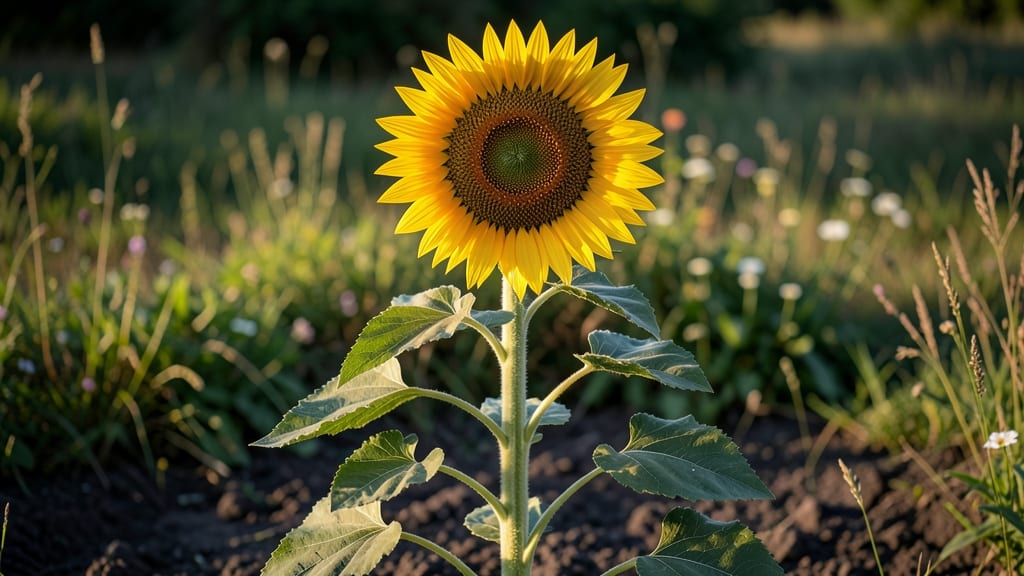
Growing the world’s tallest sunflower—like the 30-foot giants that once dominated fields—starts with the right approach and a little patience.
Imagine a sunflower so towering it could rival a two-story building—this isn’t science fiction, but the real-life achievement of the world’s tallest sunflower, which reached an astonishing 30 feet. If you’ve ever dreamed of cultivating a sunflower giant, these expert-backed techniques will show you how.
Sunflowers thrive in full sun and well-drained soil, but achieving record-breaking heights requires more than just good conditions. The key lies in selecting the right variety, providing consistent watering, and using sturdy supports to prevent toppling.
From soil prep to harvest, I’ll walk you through the exact steps competitive growers use—so you can grow a sunflower that turns heads and breaks records in your own backyard.
How to grow a record-breaking sunflower: key techniques for maximum height
Imagine growing a sunflower so towering it could rival a two-story building—this isn’t science fiction, but the real-life achievement of the world’s tallest sunflower, which reached an astonishing 30 feet.
The secret lies in combining genetic potential, optimal growing conditions, and expert care techniques used by competitive growers. Whether you're aiming for a 20-foot giant or just want to maximize your sunflower's height, these proven methods will set you on the path to success.
Growing a record-breaking sunflower isn't just about luck—it's a science. The Russian Giant variety holds the current world record, but even standard varieties can reach impressive heights with the right approach.
The key factors include soil preparation, watering discipline, sunlight optimization, and structural support. Let's break down each critical step to help your sunflower reach its maximum potential.
One of the most critical factors in growing a towering sunflower is genetic selection. The Russian Giant variety, which currently holds the world record, can grow 12-16 feet in ideal conditions, but with expert care, it's possible to push it even further.
These varieties have been selectively bred over decades to maximize height, and their seeds contain the growth potential you need to achieve record-breaking results.
While genetics set the foundation, sunlight exposure is the fuel that drives growth. Sunflowers are heliotropic, meaning they follow the sun's movement during the day. To maximize height, ensure your sunflower receives uninterrupted sunlight from 6 AM to 8 PM.
If growing in containers, rotate them weekly to prevent leaning and ensure even growth on all sides. This practice can increase stem thickness by up to 20%, providing better structural support for height.
Watering might seem straightforward, but it's one of the most overlooked factors in growing giant sunflowers. Deep, consistent watering is essential—especially during the first 6 weeks of growth when roots are establishing. Use a moisture meter to ensure the soil stays 60-70% moisture at all times.
Overwatering can lead to root rot, while underwatering causes stunted growth. Aim for 1-2 gallons per plant every 2-3 days during peak growth months.
Structural support is often the difference between a sunflower that bends under its own weight and one that stands tall and proud. Traditional stakes work, but for record-breaking heights, consider using metal sunflower supports or bamboo cages.
These provide 360-degree support and can handle the weight of a 20+ foot stem. Always tie
Top 5 sunflower varieties that can reach 20+ feet (and how to choose)
If you're chasing sunflowers that can reach 20 feet or taller, you need the right variety. The world's tallest sunflowers like the Russian Giant or American Giant aren’t just impressive—they’re achievable with the right approach.
These towering beauties require full sun exposure, well-draining soil, and consistent care to reach their full potential.
Not all sunflower varieties can handle extreme heights, so selecting the right one for your USDA hardiness zone and growing conditions is critical. Whether you're in Zone 4 or Zone 9, some varieties thrive better than others.
Below, I’ve compared the top 5 giant sunflower varieties that can reach or exceed 20 feet, along with expert tips to help you choose the best fit for your garden.
The Russian Giant is the undisputed champion for height, often surpassing 20 feet with proper care. It’s ideal if you’re aiming for a world-record contender, but it requires extra support to prevent toppling.
For warmer climates (Zones 7-10), the Mammoth variety is a great choice—it matures slightly faster and handles heat well.
If you’re in a cooler climate (Zones 3-5), the American Giant is your best bet. It’s bred to withstand early frosts and still reach impressive heights. For gardeners in dry regions, the Colossus variety is drought-tolerant while still hitting 16-20 feet.
Lastly, the Russian Mammoth is perfect if you want early blooms and a slightly shorter but still towering sunflower.
When choosing your variety, consider your local climate, soil type, and available space. Tall sunflowers need sturdy supports like bamboo stakes or metal cages to avoid breaking under their own weight.
I recommend planting them in well-amended soil with compost or aged manure to ensure they get the nutrients they need to grow tall and strong.
For maximum height, start seeds indoors 4-6 weeks before the last frost date. Transplant seedlings outdoors after all danger of frost has passed, and give them plenty of space to spread.
With the right variety and care, you could be growing a sunflower that rivals the world’s tallest in no time!