
Flowers
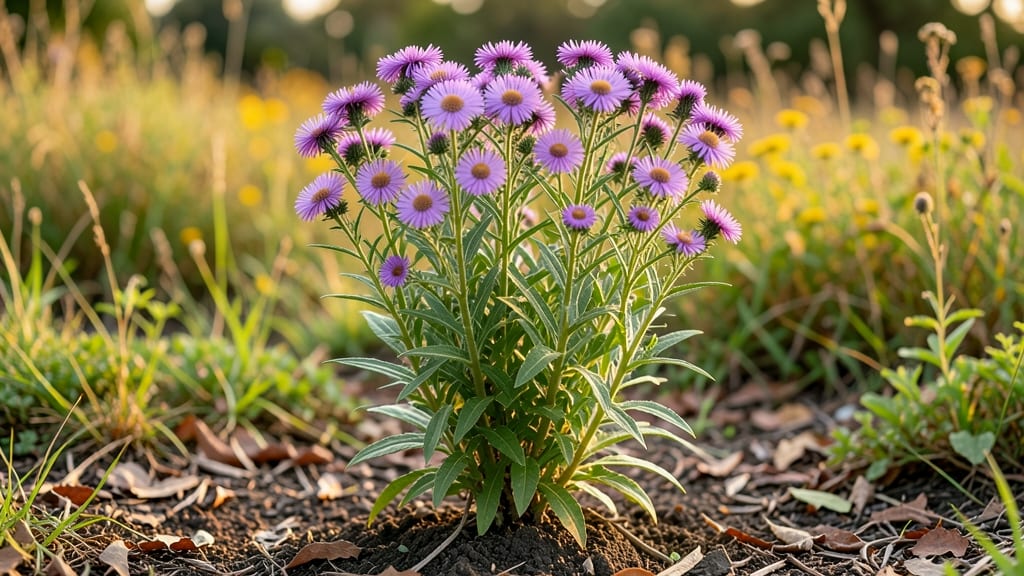
Aster flower height can range from just 6 inches to towering over 6 feet—depending on the variety and how you care for them.
If you love asters but struggle to fit them into your garden’s layout—or worry they’ll overwhelm your space—understanding their height variations is key to creating a balanced, stunning floral display.
Some varieties, like the dwarf New England aster, stay compact at 12-18 inches, perfect for borders or containers, while others, such as the giant China aster, reach 3-4 feet or more, making them ideal for the back of beds.
Below, I’ll break down the height ranges of popular asters, how to choose the right size for your garden, and simple tips to control or encourage growth—so you can design with confidence.

Aster flower height ranges: dwarf, medium, and giant varieties explained
Asters are one of the most versatile late-season bloomers, offering height diversity that can transform your garden from compact borders to towering backdrops. Their mature heights range from just 6 inches to over 4 feet tall, making them adaptable to nearly any space.
Understanding these categories helps you plan garden layouts that maximize both beauty and functionality.
Whether you're working with a small balcony garden or a sprawling landscape, selecting the right aster height ensures your plants thrive without crowding neighbors. Dwarf varieties work perfectly for container gardens, while giant asters create dramatic focal points.
Let’s explore the three main height categories and their best uses in your garden.
🌱 Tip: Always check a variety’s mature height before planting—many garden centers list only the minimum height, not the full range!
Dwarf asters (6–12 inches) are perfect for small spaces, like window boxes or patio planters. Varieties like 'Lady in Black' produce dark purple blooms that spill gracefully over edges, while 'Patriot' adds a crisp blue contrast. These compact plants thrive in well-draining soil and benefit from regular deadheading to encourage continuous blooms.
For medium-height asters (12–24 inches), think of them as the workhorses of your garden. 'Alma Potschke' is a pollinator magnet with pink daisy-like flowers, while 'Prof. Anton Kippenberg' adds deep violet drama.
These varieties work beautifully in mixed borders or as cut flowers—just stake them early if your garden gets windy!
If you love statement-making plants, giant asters (24–48+ inches) deliver. 'Andenken an Alma Potschke' can reach 4 feet tall with 3-inch-wide blooms, making it ideal for backdrop planting. These tall beauties need rich, moist soil and supportive staking to prevent flopping, especially in humid climates.
One key factor influencing aster height is growing conditions. Full sun exposure (6+ hours daily) encourages taller growth, while partial shade may result in shorter, bushier plants. Pruning habits also play a role—pinching back young plants promotes more branches and blooms, which can slightly reduce height but increase overall fullness.
For container gardening, dwarf and medium asters shine. Use 5-gallon pots for single plants or hanging baskets for trailing varieties like 'Woodland Pink'. Giant asters need larger containers (at least 15 gallons) with drainage holes to prevent root rot.
Always use lightweight potting mix to avoid overwhelming the roots.
When planning your garden layout, group asters by height to create visual layers. Place dwarf varieties in the front, medium heights in the middle, and giant asters at the back. This technique adds depth and dimension while ensuring each plant gets the sunlight it needs.
For pollinator gardens, mix heights to provide nectar sources at multiple levels for bees and butterflies.
Pro tip: If you’re unsure about a variety’s final height, check the plant tag or search for its mature height range online. Some asters, like 'Royal Giant', can double in height from their initial planting size—always account for this growth potential when spacing!
🌿 Whether you’re a container gardener or designing a full landscape, aster height diversity lets you customize your space without sacrificing beauty. Start with dwarf varieties for instant impact, then layer in medium and giant types for a season-long floral show.
How to choose asters based on garden layout and purpose
Asters thrive in different garden zones, and selecting the right height variety ensures your floral displays look intentional and harmonious. Foreground plants should be short and bushy, while background varieties need height to create depth. For containers, compact types shine, while borders benefit from mid-height selections.
Your garden’s purpose also matters: pollinator-friendly asters like New England aster (18-36 inches) attract bees and butterflies, while cut-flower varieties like China aster (3-4 feet) provide dramatic stems for arrangements. Let’s explore how to match aster heights to your space and goals.
🌱 How to Select Asters by Height & Purpose
- 🌿 Foreground (6-12 inches): Use dwarf varieties like ‘Patriot’ aster for borders or edging. Their compact size prevents overwhelming smaller gardens.
- 🌳 Midground (12-24 inches): Ideal for pollinator gardens or mixed borders. Try ‘Alma Potschke’ (20 inches) for vibrant color without overpowering nearby plants.
- 🌻 Background (24-48+ inches): Perfect for back-of-bed planting or cut flowers. ‘King George’ China aster (4 feet) adds drama and structure.
- 🪴 Containers (12-24 inches): Choose spreading varieties like ‘Wood’s Purple’ (18 inches) to fill pots without toppling. Use lightweight soil to reduce weight.
- ✂️ Cut Flowers (36+ inches): Opt for tall, sturdy stems like ‘Marie Ballard’ (3 feet). Deadhead regularly to encourage continuous blooms for arrangements.
For small gardens, prioritize dwarf or semi-dwarf asters to avoid crowding. Place taller varieties at the back or along fences to create vertical interest without sacrificing space. In urban containers, mix heights—pair a 12-inch aster with a 18-inch ornamental grass for texture.
If your goal is a pollinator haven, focus on mid-height asters like ‘Andenken an Alma Potschke’, which bloom late in the season when few other flowers remain. Their 20-inch height makes them accessible to bees while adding color to fall gardens.
For cut-flower gardens, taller asters like ‘Prof. Anton Kippenberg’ (3 feet) provide long stems perfect for bouquets. Stake them early to prevent flopping, especially in windy areas. Harvest in the morning when stems are hydrated for longer vase life.
Pro tip: Group asters by height in odd-numbered clusters (e.g., 3 tall, 5 medium, 7 shortground beds and container arrangements, ensuring your garden feels intentional and well-cared-for. 🌸