
Flowers
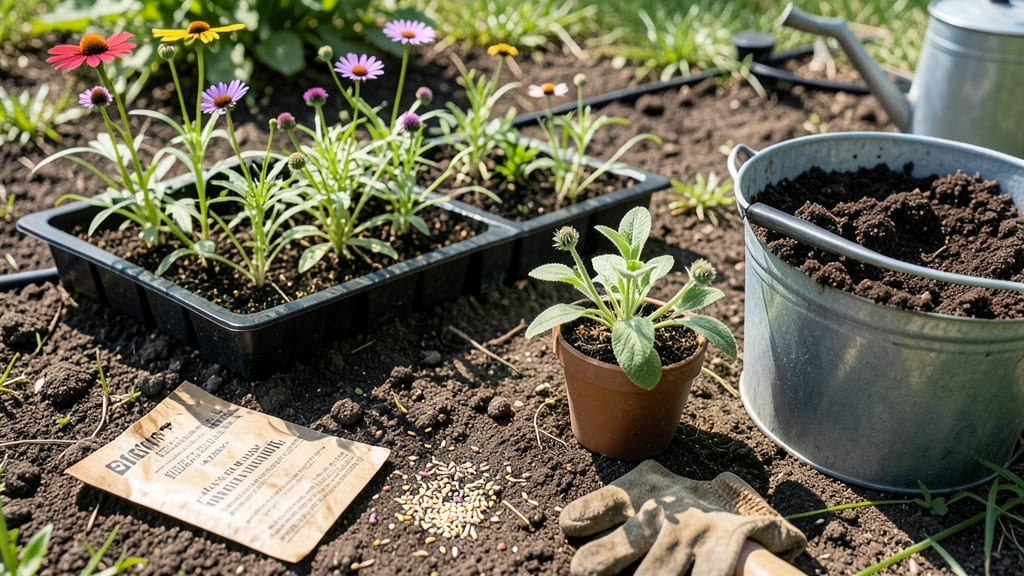
Planting wildflowers in Missouri at the right time means the difference between a lush, colorful meadow and a sad, sparse patch of dirt.
Missouri’s wildflowers transform landscapes into vibrant tapestries—but timing is everything. Plant too early, and frost will wipe out your blooms; too late, and summer heat may stunt growth. Here’s the exact planting schedule for USDA Zones 5 and 6 to ensure zero-frost risk and maximum beauty.
Whether you’re sowing seeds in early spring (March-April) or early fall (September-October), the key is knowing your last frost date. In Missouri, that’s usually around April 15, but rural areas can vary by a week or more.
Fall planting, on the other hand, gives seeds time to establish roots before winter.
Below, I’ll break down the best months for annuals vs. perennials, soil prep tips for Missouri’s clay-heavy regions, and how to pick wildflowers that thrive in your specific zone. By the end, you’ll know exactly when to plant for bold blooms all season long.
Missouri wildflower planting calendar: Zone 5 vs. Zone 6 frost-free deadlines
Timing your wildflower planting in Missouri can make the difference between a lush, blooming meadow and a frost-nipped disappointment. With USDA Zones 5b and 6b spanning the state, frost dates vary by 10-14 days between northern and southern regions.
Understanding these last-frost benchmarks ensures your seeds germinate in optimal conditions.
Missouri’s average last frost dates range from mid-April in Zone 5 (northwest Missouri) to early April in Zone 6 (southern Missouri). Rural areas often experience frost 1-2 weeks later than urban centers like St. Louis or Kansas City due to heat-island effects.
Adjust your planting window accordingly to avoid late-spring freezes.
For annual wildflowers, aim to plant 4-6 weeks before your area’s last frost date. This gives seeds time to establish roots before summer heat arrives. In contrast, perennial wildflowers should be planted in early spring (March-April) or early fall (September-October) to avoid winter stress.
🌱 Missouri Wildflower Planting Deadlines by Zone & Region
| Planting Type | Zone 5 (Northwest MO) | Zone 6 (Southern MO) | St. Louis (Zone 6a) | Kansas City (Zone 5b) | Rural Adjustment |
|---|---|---|---|---|---|
| Annuals (Spring) | April 1-15 | March 20-April 5 | March 25-April 5 | April 1-15 | Delay 7-10 days |
| Annuals (Fall) | September 15-October 5 | September 1-October 10 | September 1-October 10 | September 15-October 5 | Advance 5-7 days |
| Perennials (Early Spring) | March 15-April 1 | March 1-April 1 | March 1-April 1 | March 15-April 1 | Delay 5-7 days |
| Last Frost Date | April 15 | April 5 | April 5 | April 15 | Check local forecasts |
🌡️ Pro Tip: Use a frost calendar from the Missouri Botanical Garden or local Cooperative Extension for real-time adjustments.
In Zone 5 (northwest Missouri), where frosts linger longer, prioritize fall planting (September-October) for annuals like cosmos and zinnias. These species germinate in cool soil and bloom prolifically by summer.
For perennials such as coneflowers and black-eyed Susans, early spring planting in March-April gives roots time to establish before summer drought.
Southern Missouri’s Zone 6 offers a 2-week earlier window for spring planting. Take advantage by sowing fast-germinating seeds like sunflowers or marigolds as early as mid-March. However, avoid planting heat-sensitive species (e.g., snapdragons) until after April 15 to prevent bolt-related stress.
Best wildflowers for Missouri’s climate: fast-growing vs. drought-tolerant picks
Missouri’s humid summers and variable rainfall demand wildflowers that balance quick establishment with water efficiency. Fast-growing species like annual sunflowers and cosmos burst into color within 6-8 weeks, while drought-tolerant natives such as black-eyed Susans and purple coneflowers thrive on minimal irrigation once established.
For clay-heavy soils common in Missouri’s northern regions, amend with compost or sand to prevent compaction.
In sandy soils of the southwest, mulch heavily to retain moisture. Full-sun lovers like bee balm and blanket flower dominate, but partial-shade options such as columbine and wild ginger work well under tree canopies.
Spring planting (March–April) favors cool-season annuals like lupine and snapdragons, while fall planting (September–October) gives perennials time to develop roots before winter. Native mixes often include wild bergamot and prairie blazing star, which attract pollinators and require zero supplemental water after the first year.
| Wildflower Type | Planting Season | Sun Needs | Soil Prep | Water Needs |
|---|---|---|---|---|
| Black-Eyed Susan | Spring/Fall | Full Sun | Loosen clay | Drought-tolerant |
| Cosmos | Spring | Full Sun | Well-draining | Low |
| Purple Coneflower | Fall | Partial Sun | Add compost | Moderate |
| Annual Sunflower | Spring | Full Sun | Sandy loam | Medium |
| Wild Bergamot | Fall | Full Sun | Native soil | Very Low |
To maximize blooms with minimal water, focus on native species like butterfly milkweed and prairie smoke, which evolved in Missouri’s dry spells. Group plants with similar water needs—place drought-tolerant varieties at the front of beds and moisture-loving types like blue flag iris near rain gardens.
For fastest results, pair annuals (e.g., zinnia) with perennials (e.g., sedum) to create year-round interest. Mulch with straw after planting to lock in moisture and suppress weeds, reducing your watering frequency by up to 50%.
In urban areas, consider container mixes with self-watering pots for balcony gardens.
Missouri’s humid summers can stress non-native wildflowers, so prioritize locally adapted species. Native seed mixes from regional suppliers (like Prairie Moon Nursery) include autumn olive and goldenrod, which support local ecosystems while requiring little maintenance. Always check seed packet labels for USDA