
Flowers
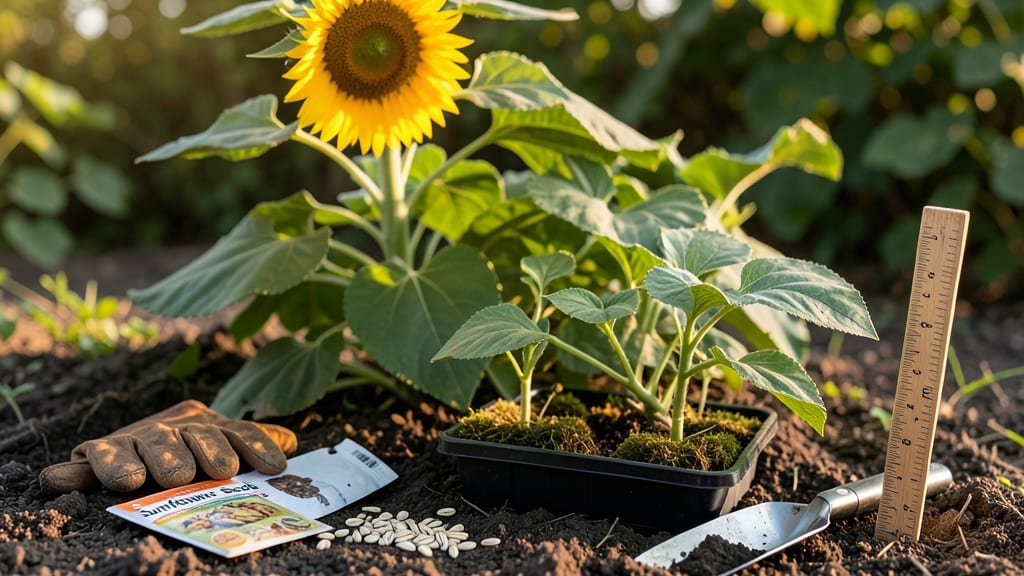
To plant sunflowers in Tennessee, aim for mid-April through late June when soil temperatures hit 50°F and the last frost has passed — timing that transforms your garden into a towering 🌻 display by summer.
Sunflowers aren’t just stunning additions to your garden—they thrive best when planted at the perfect time in Tennessee’s climate. Get the timing wrong, and you’ll miss out on towering blooms and those coveted edible seeds.
Tennessee’s USDA zones 6a-7b mean your planting window can shift by weeks depending on whether you’re in the cooler East Tennessee mountains or the warmer West Tennessee plains. The key is watching for consistent 50°F soil temps, not just calendar dates.
Here’s what you’ll discover: the exact frost-free dates by zone, how to pick sunflower varieties that handle Tennessee’s heat and humidity, and pro tips to stretch your growing season—so you’re harvesting seeds by October instead of watching them bolt in the summer sun.
Tennessee sunflower planting dates by USDA hardiness zones (6a-7b)
Tennessee’s USDA Zones 6a-7b offer perfect conditions for growing sunflowers, but timing is everything. Plant too early, and late frosts will nip young seedlings. Wait too long, and summer’s intense heat can stunt growth.
The key is aligning your planting with frost-free dates and soil warmth—typically mid-April to late June—while accounting for your specific microclimate.
In Zone 6a, where winters are colder, aim for late April to early May to avoid frost damage. Gardeners in Zone 7a-7b can start slightly earlier—mid-April—but always wait until nighttime temperatures stay above 50°F (10°C).
Soil temperature is your best guide: use a soil thermometer to confirm it’s warmed to at least 55°F (13°C) before planting.
For early planting (March-April), focus on dwarf varieties like ‘Teddy Bear’ or ‘Moulin Rouge,’ which mature faster and tolerate cooler soils. These can handle Tennessee’s Zone 6a springs, where late frosts are common.
If you’re planting in May or June, opt for tall varieties like ‘Mammoth’ or ‘ProCut,’ but be prepared for shorter stems if summer heat arrives early.
Tennessee’s humidity and summer heat can stress sunflowers if planted too late. In Zones 7a-7b, avoid sowing after early July, or your plants may bolt prematurely or struggle to develop full heads.
Instead, use succession planting: sow a second batch in late May to ensure continuous blooms through September.
Don’t forget to monitor soil moisture during Tennessee’s hot, dry summers. While sunflowers are drought-tolerant once established, young seedlings need consistent watering to prevent wilting. Aim for 1-2 inches of water per week, delivered in the early morning to reduce fungal risks.
Mulching with straw or shredded leaves helps retain moisture and regulate soil temperature.
If you’re in a microclimate—like a valley or urban heat island—adjust your timeline by 1-2 weeks. These areas may experience earlier last frosts or warmer soils. Always check your local Cooperative Extension Service for frost alerts and soil temperature updates.
For example, Nashville (Zone 7a) typically sees its last frost around April 15, while Chattanooga (Zone 7b) can plant as early as March 20.
For container gardening, start seeds indoors 4-6 weeks before your last frost date and transplant seedlings after soil warms. Containers heat up faster, so monitor closely—you may need to delay outdoor planting by 1-2 weeks compared to in-ground plantings.
Use well-draining potting mix and larger pots (at least 12 inches deep) to accommodate sunflower roots.
Pro tip: Direct sowing is best for sunflowers—they hate transplant shock. Plant seeds 1 inch deep and 6-12 inches apart, depending on the variety. Thin seedlings to 18-24 inches apart once they’re 4-6 inches tall to give them room to grow.
In Tennessee’s clay-heavy soils, amend with compost or sand to improve drainage and prevent root rot.
Finally, keep an eye on pests like sunflower moths and birds, which love those seeds. Use row covers for young plants or bird netting once flowers appear.
With the right timing and care, your Tennessee sunflowers will reward you with vibrant blooms and bountiful seeds—just in time for fall harvests! 🌻
Best sunflower varieties for Tennessee’s climate and their ideal planting times
Tennessee’s humid summers and variable springs make choosing the right sunflower variety critical for success. The wrong type might bolt too early or struggle with heat, while the perfect variety will reward you with vibrant blooms and plump seeds from July through October.
For Tennessee gardeners, I recommend focusing on three proven categories: giant varieties for dramatic height, dwarf types for containers and borders, and heat-resistant hybrids that won’t wilt in Memphis’ summer heat or Nashville’s humidity. Each has specific planting deadlines to avoid stunted growth or premature flowering.
⚠️ Key Insight: Tennessee’s USDA zones 6a-7b mean your last planting window should be by June 15—any later, and summer heat will cause bolting (premature flowering) before seeds mature. Here’s how to match varieties to your timeline:
For East Tennessee’s cooler zones (6a), prioritize early varieties like Mammoth Russian or Autumn Beauty—plant them by April 15 to avoid short growing seasons. In West Tennessee (7a-7b), you can push planting to June 1 with heat-resistant types like Teddy Bear or ProCut.
Pro tip: If you’re in Middle Tennessee, consider succession planting—sow dwarf varieties in May for late-summer blooms, then follow with giant types in early June for fall harvests. This stretches your season and maximizes seed production.
Remember, Tennessee’s summer heat can cause sunflowers to bolt quickly. To prevent this, keep soil consistently moist (not soggy) and avoid over-fertilizing with nitrogen—it encourages leafy growth over blooms. With the right variety and timing, you’ll enjoy sunflowers from July’s first blooms through October’s golden harvests.