
Flowers
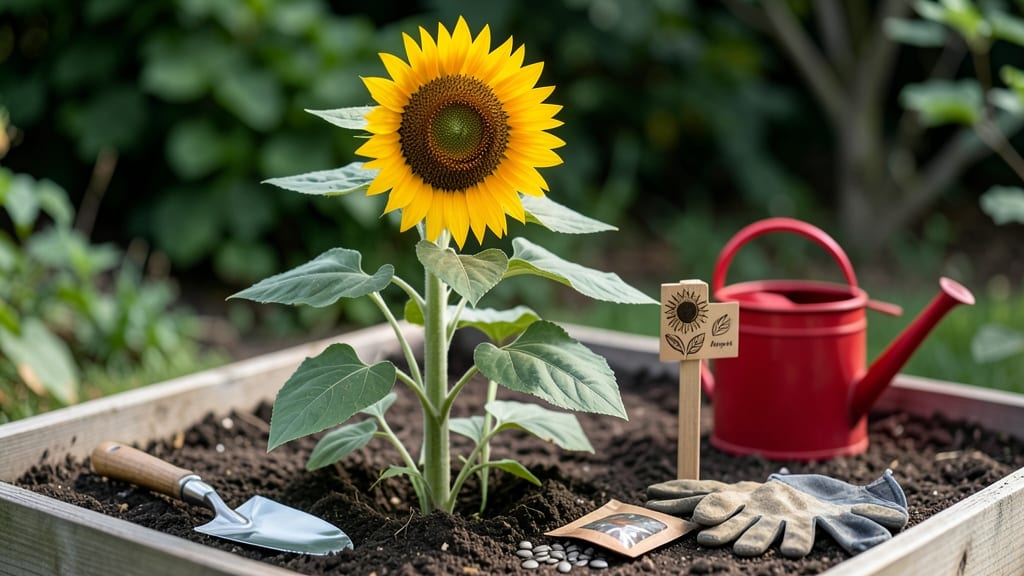
To plant sunflowers in Northern California for zero-frost blooms, aim for mid-March to early July or late July to early September, depending on your USDA Zone 8-9 microclimate.
Sunflowers in Northern California can bloom all summer long—but timing your planting wrong means wilting before they shine. Whether you’re in Sacramento’s 8a or Redding’s 9b, the wrong window leaves you with leggy stems or seeds that never set.
This isn’t just about avoiding frost; it’s about matching your variety to the 60-90 day growth window. A late July start in the Bay Area might mean fall blooms, while inland gardeners can push into early September for winter interest.
Below, I break down the exact planting calendar by region, soil prep secrets for drought-prone areas, and how to stretch your season with cold-hardy varieties—no guesswork, just blooms that last.
Northern California sunflower planting calendar: best months by USDA Zone 8-9
Sunflowers thrive in Northern California's USDA Zones 8-9, but planting them at the wrong time means frost damage or wilting before blooming. The key is aligning your planting with frost-free windows and local microclimates, especially between the Bay Area (cooler, foggier) and Sacramento (hotter, drier).
With the right timing, you can enjoy summer-long blooms or even fall displays before the first frost.
Most Northern California gardeners focus on spring planting for summer blooms, but fall planting can also work with cold-hardy varieties. The last frost date varies—expect mid-March in Sacramento but early April in coastal areas.
Meanwhile, the first frost typically hits November 15, giving you a 210-270-day frost-free window to grow sunflowers.
⚠️ CRITICAL: Coastal areas (like San Francisco) have cooler microclimates with delayed last frosts and earlier first frosts than inland regions. Adjust your planting dates 1-2 weeks later if you're near the coast.
| Planting Window | Best For | Bloom Time | Notes for Bay Area | Notes for Sacramento |
|---|---|---|---|---|
| Mid-March to early April | Early spring blooms | Late June to August | Plant after last frost (wait until mid-April) | Safe to plant by March 15 |
| April to early May | Classic summer blooms | July to September | Ideal for cooler coastal areas | Best for heat-tolerant varieties |
| May to early June | Late summer blooms | August to October | Risk of heat stress—use shade cloth | Perfect for drought-resistant varieties |
| Late July to early August | Fall blooms (cold-hardy) | September to November | Use row covers for frost protection | Plant 'Autumn Beauty' for late blooms |
🌻 Pro Tip: For extended blooms, stagger plantings every 2-3 weeks from March to July.
For spring planting, aim to sow seeds 4-6 weeks before your last frost date.
In Sacramento (Zone 8a), this means mid-March, while in the Bay Area (Zone 9a), wait until early April. Direct-sow seeds 1 inch deep and 6 inches apart, then thin seedlings to 12-24 inches apart for optimal growth.
If you want summer-long blooms, consider successive planting. Start with early varieties (like 'Teddy Bear') in March, then add taller varieties (like 'Russian Giant') in May. This creates a stunning height progression from 3-foot dwarfs to 12-foot giants.
For fall planting, focus on cold-hardy varieties like 'Autumn Beauty' or 'ProCut'. Plant seeds late July to early August for blooms that last until November. In cooler coastal areas, use row covers to extend the season by 2-3 weeks.
💡 Key Adjustment: Inland areas (like Sacramento) can handle earlier plantings due to hotter summers, while coastal areas (like San Francisco) should delay until soil temperatures reach 55°F+. Use a soil thermometer to check—sunflowers need warm soil
Sunflower variety timing guide: dwarf vs. giant blooms for northern CA climates
Northern California's Zone 8-9 climate lets you grow sunflowers from dwarf varieties to towering giants—but timing matters. Plant too early, and you risk spring frosts stunting growth. Plant too late, and your Russian Giants won't reach their full 12-foot glory before winter.
The key? Match your variety to local frost dates and soil warmth.
For coastal areas like San Francisco (Zone 9), aim for mid-March to early May plantings to avoid late frosts. Inland regions like Sacramento (Zone 8) can start 2-3 weeks earlier when soil temperatures hit 55°F+.
Dwarf varieties like 'Moulin Rouge' thrive with earlier starts, while giants need longer growing seasons to mature.
Dwarf varieties like 'Moulin Rouge' are perfect for container gardens or small spaces. Their 60-75 day maturity means you can squeeze in two plantings (spring and fall) for year-round color.
For giant sunflowers, focus on late April to early June starts to ensure they reach maturity before first frosts in November.
Pro tip: Use black plastic mulch to warm soil faster for early plantings. This trick shaves 2-3 weeks off your growing season, giving giants like 'Russian Giant' the head start they need. Pair with deep watering (1-2 gallons per plant) to encourage those 12-foot stems.
Don't overlook fall plantings for dwarf varieties. 'Teddy Bear' sunflowers planted in late July can still bloom by October, providing late-season pollinator support. Just avoid fertilizing after August 15—sunflowers need time to harden off before winter.
For maximum pollinator appeal, plant 3-5 varieties together. The color contrast between 'Moulin Rouge' (red) and 'Russian Giant' (gold) draws bees and butter