
Flowers
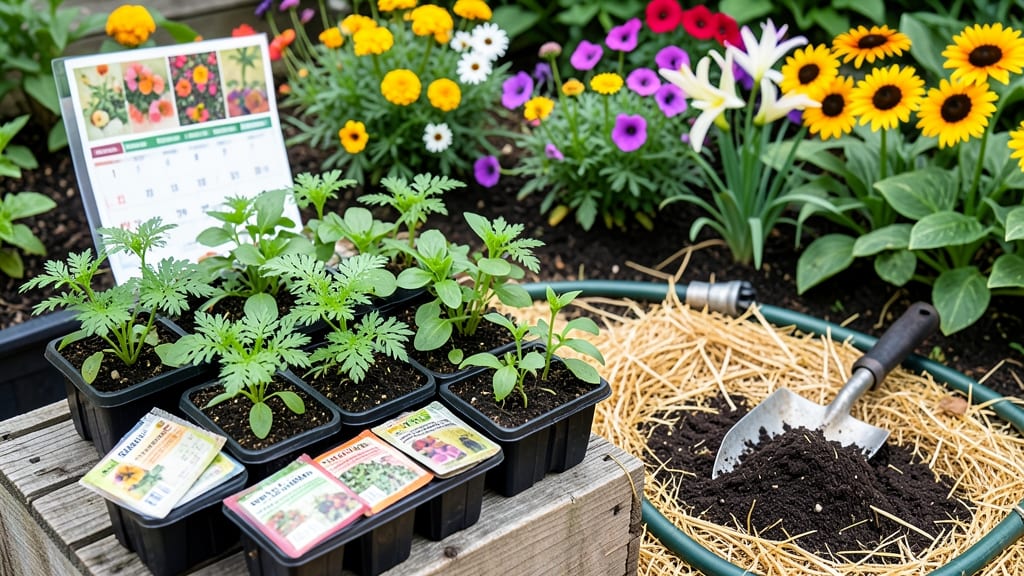
To plant flowers in Massachusetts, aim for March 15–May 15 in spring and August 15–September 15 in fall, aligning with USDA Zones 5b-6b and avoiding late frosts.
Timing your flower planting in Massachusetts can mean the difference between a vibrant garden and a season of disappointment—especially with the region’s unpredictable spring frost dates and USDA Zones 5-7.
Whether you’re planting annuals for summer color or perennials that return year after year, getting the timing right ensures strong roots and blooms before heat or frost strikes.
Below, I’ll break down the best planting windows for bulbs, tender flowers, and hardy varieties, plus pro tips to adjust for your specific corner of the state—whether you’re in Boston’s urban heat islands or the cooler hills of Worcester.
Massachusetts flower planting calendar by USDA Zone (5-7) and flower type
Massachusetts gardeners know that timing is everything when planting flowers. With USDA Zones 5b-6b and variable frost dates, understanding the optimal planting windows for annuals, perennials, and bulbs can transform your garden from mediocre to magnificent.
Whether you're in Boston's coastal Zone 6b or Springfield's inland Zone 5b, these guidelines will help you align your planting schedule with nature's rhythm.
Spring frost dates in Massachusetts typically range from mid-April to early May, while fall frosts arrive between mid-October and late October. For most regions, the last average frost date falls around May 15, though microclimates in cities like Worcester may experience later frosts.
This calendar accounts for these variations, ensuring your flowers get the best possible start.
The following planting calendar organizes flowers by type—annuals, perennials, bulbs, and tender varieties—and provides specific month-by-month guidelines for Massachusetts. Each category has unique timing needs, from early spring bulbs to heat-loving annuals that thrive when planted after the last frost.
For Boston gardeners in Zone 6b, you’ll find that coastal influences can delay spring frosts by 1-2 weeks compared to inland areas like Worcester or Springfield (Zone 5b). This means you can often plant tender annuals 2-3 weeks earlier in Boston than in western Massachusetts.
Always monitor local frost forecasts and use row covers to protect early plantings if needed.
When planting perennials in spring, aim to get them in the ground 2-3 weeks before your last frost date. This gives roots time to establish before summer heat arrives.
For example, in Worcester (Zone 5b), this typically means planting by May 1, while Boston (Zone 6b) gardeners can wait until May 15. Perennials like coneflowers and lavender thrive with this early start and reward you with years of low-maintenance blooms.
Bulbs are a gardener’s secret weapon for early spring color. Plant fall-blooming bulbs like tulips and daffodils in October—this gives them time to root before winter. For spring-blooming bulbs such as crocus and snowdrops, plant in September or early October so they’ll naturalize and multiply over time. In Zone 5b areas, cover bulbs with 3-4 inches of mulch to protect them from harsh winters.
Tender annuals like petunias and geraniums demand extra care in Massachusetts’ climate. These frost-sensitive plants should only be planted after Memorial Day (late May), when nighttime temperatures consistently stay above 50°F (10°C).
For a head start, begin indoor seeding in February or March and transplant hardened seedlings after the last frost. Alternatively, opt for cold-hardy annuals like snapdrag
How to adjust planting times for Massachusetts’ microclimates and frost risks
Massachusetts’ USDA Zones 5-7 create unique challenges for gardeners, especially when it comes to frost-sensitive flowers. The state’s microclimates—from coastal areas to inland valleys—can shift frost dates by weeks, making timing everything.
My go-to strategy? The 10/10/10 rule: plant 10 days before your region’s last frost date, 10 days after, and again 10 days before the first frost in fall.
For example, Boston’s last frost typically lands around April 15, while Springfield might see it May 1. These differences matter for tender annuals like petunias or marigolds, which can’t handle even light frost. Meanwhile, cold-hardy perennials like coneflowers or black-eyed Susans can handle early planting.
⚠️ callout-warning
• Low areas (cold air sinks—plant uphill for warmth) • North-facing slopes (delay planting by 2 weeks) • Urban heat islands (soil warms 1-2°F faster—plant earlier) • Coastal regions (warmer microclimates—extend spring planting by 10 days)
Pro Tip: Use row covers to protect early plantings from late frosts (even 32°F can damage tender flowers).
To extend your growing season, I recommend row covers or cold frames for early plantings. These can push your last frost date back by 2-4 weeks, letting you sow cold-sensitive flowers like impatiens or vinca 2 weeks earlier than the calendar suggests.
For fall planting, aim for August 15 in most zones—this gives flowers time to establish roots before winter.
Another trick? Choose cold-hardy varieties like pansies, snapdragons, or stock flowers, which tolerate 28-32°F temps. These can go in the ground 4-6 weeks before your last frost date, giving you early color and a head start on the season.
Pair them with mulch to insulate roots and retain moisture.
For container gardening, remember that pots heat up and cool down faster than in-ground soil. Move containers to sheltered spots at night during late spring and use heat-resistant pots (like fabric grow bags) to prevent root damage.
If a frost warning hits, cover plants with burlap or frost cloth—even a light frost can ruin tender blooms.
Finally, keep an eye on local weather forecasts and historical frost data from the Massachusetts Horticultural Society. Their records show that coastal areas (like Cape Cod) often have later frosts than inland zones, so adjust your timing accordingly.
With these adjustments, you’ll maximize your bloom time and avoid the heartbreak of frost-damaged flowers.