
Flowers
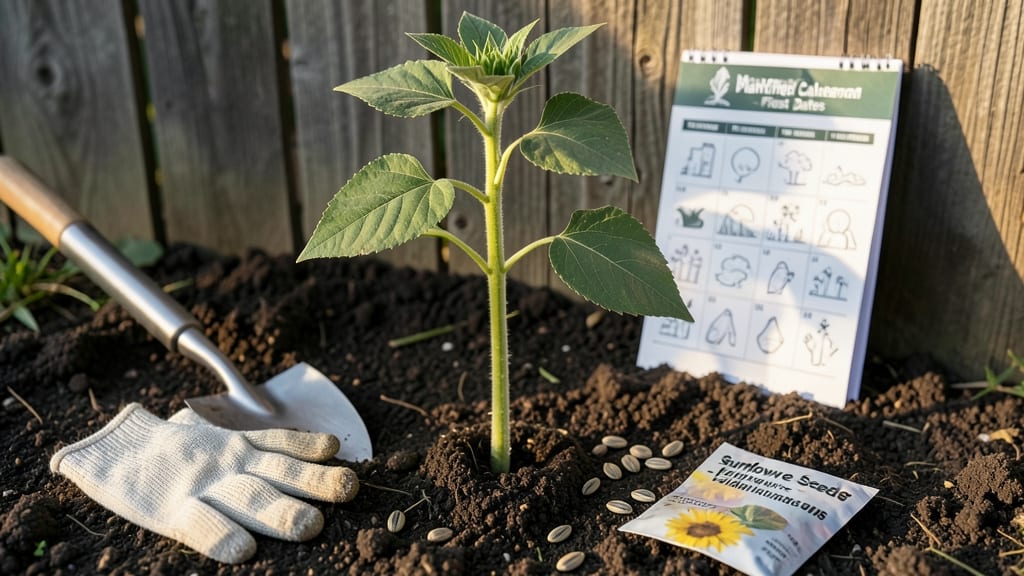
Planting sunflowers in Maryland after the last frost date — typically mid-April to early June — ensures your 🌻 blooms reach their full height before summer heat sets in.
Maryland’s warm summers and sunny skies make it an ideal place to grow sunflowers—but timing is everything. Plant too early, and frost will strike; too late, and your blooms may wilt before reaching their full potential.
In Zone 7a-7b, the 165 frost-free days between April and October give you plenty of time to grow everything from dwarf varieties to towering giants. The key is starting seeds indoors by early April or waiting until soil temperatures hit 60-70°F for direct sowing.
Below, I’ll share the exact planting windows, heat-tolerant varieties that thrive in Maryland’s climate, and pro tips to extend your sunflower season—so you can enjoy those bright faces from Baltimore to the Eastern Shore.
Maryland sunflower planting timeline: frost dates, soil temps, and best months
Maryland’s USDA Zones 6-7 offer a 165-day frost-free season, giving sunflowers plenty of time to thrive—but precise timing is key. The last average frost date hovers around April 15, while the first frost typically arrives by October 15.
For vibrant blooms, aim to plant sunflowers after soil temperatures reach 60-70°F, which usually aligns with late April to early June.
Direct sowing is the preferred method for sunflowers, as they hate transplant shock. Start seeds 1 inch deep in well-draining soil with 6-8 hours of sunlight daily.
In Maryland’s humid summers, early varieties (like ‘Moulin Rouge’) can be planted as soon as soil is workable, while late varieties (like ‘Russian Giant’) benefit from a June planting to avoid bolting before frost.
Soil temperature is your best guide: Use a soil thermometer to confirm 60°F+ before planting. Maryland’s Eastern Shore may warm up 1-2 weeks earlier than Baltimore’s inland areas, so adjust your timeline accordingly. For container growers, start seeds indoors 4-6 weeks before the last frost date, but be prepared to harden off seedlings gradually.
For early blooms, plant dwarf varieties like ‘Teddy Bear’ in late March under row covers to protect against late frosts. These heat-tolerant sunflowers will reward you with bright blooms by June.
Meanwhile, tall varieties like ‘Autumn Beauty’ thrive when planted in early May, giving them 100+ days to mature before frost.
Maryland’s humid summers can stress sunflowers, so prioritize well-draining soil and morning watering. Amend heavy clay soil with compost to improve drainage, and mulch around plants to retain moisture and regulate soil temperature. Avoid overwatering, as sunflowers are drought-tolerant once established.
If you’re growing sunflowers for cut flowers, time your planting to ensure peak bloom in August. Late varieties like ‘ProCut’ can be sown in early June for fall harvests, while succession planting every 2 weeks from May to July guarantees continuous blooms.
Just remember: Sunflowers need space—space dwarf varieties 12 inches apart and tall types 24+ inches apart.
Don’t let Maryland’s variable frost dates catch you off guard. Monitor local forecasts and adjust your planting timeline if unseasonable cold is predicted. For extra protection, use frost cloth over young seedlings or choose early-maturing varieties (like ‘Little Becka’) to ensure blooms before frost arrives in October.
Pro tip: Mark your calendar for July 4th weekend—this is the ideal time to plant second crops of dwarf sunflowers for late-summer color.
By August 15, your sunflowers should be 6 feet tall or taller, ready to brighten up your garden and attract pollinators like bees and butterflies.
With Maryland’s generous growing season, you can enjoy sunflowers from June through October. Start early, stay consistent with care, and soon your garden will be a sunflower paradise—just in time for fall harvests and winter seed saving. 🌻
Top 5 heat-tolerant sunflower varieties for Maryland’s humid summers
Maryland’s hot, humid summers can be tough on sunflowers, but these heat-tolerant varieties thrive in our climate. I’ve selected options that handle 90°F+ temperatures and high humidity while delivering stunning blooms.
Whether you want dwarf varieties for containers or giant cut flowers, these picks guarantee success from Baltimore to Annapolis.
For container gardens, the 'Teddy Bear' variety is my top recommendation—it’s compact (2-3 feet tall), disease-resistant, and blooms in just 50-55 days. Perfect for patios or small spaces!
If you’re dreaming of 10-foot-tall giants, 'Russian Giant' sunflowers are worth the space—they produce 1,000+ seeds per head and handle heat like pros.
| Variety | Height | Days to Bloom | Spacing | Best For |
|---|---|---|---|---|
| Teddy Bear | 2-3 ft | 50-55 days | 12-18 in. | Containers, borders |
| Russian Giant | 10-14 ft | 80-100 days | 24-36 in. | Cut flowers, seed heads |
| Autumn Beauty | 5-6 ft | 60-70 days | 18-24 in. | Colorful blooms, pollinators |
| Moulin Rouge | 4-5 ft | 55-60 days | 12-18 in. | Dwarf, late-season |
| ProCut | 5-7 ft | 65-75 days | 18-24 in. | Long vase life, heat-resistant |
For late-summer color, 'Moulin Rouge' is a standout—it blooms in 55-60 days and handles Maryland’s humid afternoons beautifully. Its deep red petals contrast perfectly with green foliage, and it’s great for cutting arrangements that last weeks in a vase.
If you’re growing sunflowers for seed production, 'ProCut' is my go-to. It’s disease-resistant, thrives in high heat, and produces heavy, sturdy stems that hold up to Maryland’s summer storms. Plus, its seeds are high-quality for bird feeders or roasting!
For pollinator gardens, 'Autumn Beauty' is unbeatable. This variety changes colors from yellow to red as it matures, attracting bees and butterflies all season long. It’s also shorter than giants (5-6 feet), making it ideal for mixed borders or smaller backyards.
Pro tip: Plant your tallest varieties (like Russian Giant) in full sun with 18+ inches of spacing to prevent fungal diseases from crowding. Water at the base of plants in the morning to avoid humidity-related mildew.
With these varieties, you’ll enjoy sunflowers from July to October—even in Maryland’s toughest heat! 🌻