
Flowers
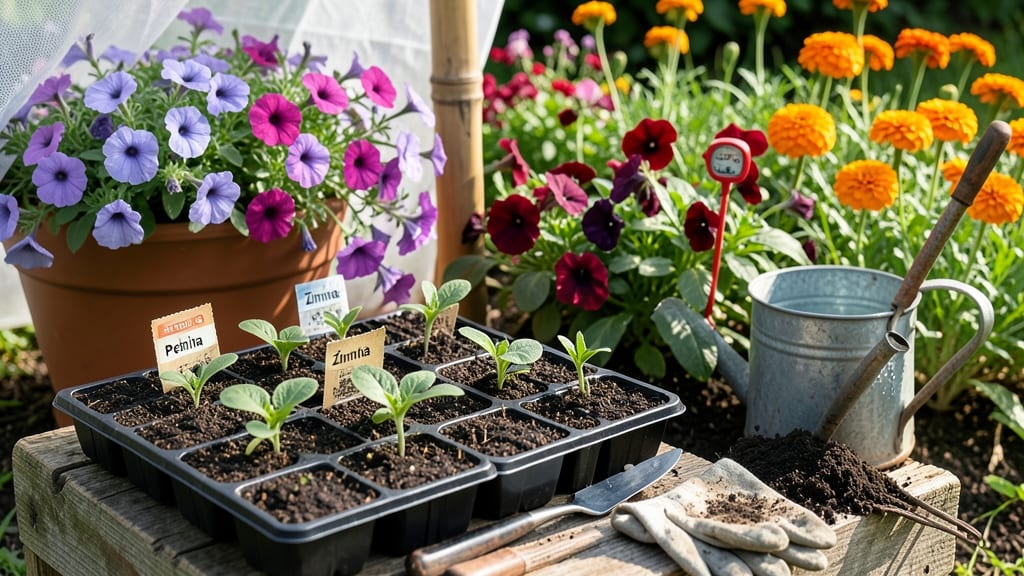
Planting flowers in South Carolina at the right time ensures vibrant blooms and avoids frost damage, especially in zones 7b-8a where spring can be unpredictable.
Timing your flower planting in South Carolina can mean the difference between a vibrant garden and a sad, frost-nipped failure—especially with the state’s unpredictable spring weather. One week too early, and a late frost will turn your tender seedlings into a sad, wilted mess.
Too late, and you miss the prime growing window before summer heat sets in.
Whether you’re planting annuals like impatiens or perennials like azaleas, knowing your region’s frost dates is the key. Coastal areas like Charleston have a longer growing season, while the Upstate freezes earlier. I’ll break down the exact deadlines by zone so you can plant with confidence.
You’ll also discover how to prep your soil, choose the best varieties for your microclimate, and even extend your blooming season with smart timing. Ready to turn your garden into a year-round paradise? Let’s get started.
South Carolina frost-free dates by Zone: when to plant flowers safely
South Carolina’s USDA Hardiness Zones 7b-8a create a unique gardening climate where last frost dates can vary by 2-3 weeks between coastal Charleston and the Upstate mountains. Knowing your frost-free window is critical—planting too early risks frost damage, while waiting too long cuts your bloom season short.
Let’s break down the key planting zones and their average frost dates to help you time your flowers perfectly.
For most of South Carolina, the last average frost date falls between mid-March and early April, but microclimates—like urban heat islands or sheltered valleys—can shift this by 10 days or more.
Coastal areas like Charleston (Zone 8a) often see earlier frost-free dates (around March 15), while Upstate regions like Greenville (Zone 7b) may not hit their last frost until April 5.
Perennials and cold-hardy bulbs can often be planted 4-6 weeks before these dates, but tender annuals should wait until after the frost risk passes.
Pro Tip: Use row covers or cold frames to extend your planting window by 2-3 weeks for heat-loving annuals like petunias or geraniums. These tools can protect seedlings from unpredictable late frosts, which are common in South Carolina’s transition zones.
While annual flowers like marigolds or zinnias thrive when planted after your region’s last frost, perennials and bulbs often benefit from early spring planting (as soon as soil is workable).
For example, tulip bulbs should be planted in October-November for spring blooms, while daylilies can handle late winter planting in milder Zone 8a areas. Fall planting is also ideal for cool-season annuals like pansies or snapdragons, which can bloom through winter in South Carolina’s mild coastal zones.
Don’t overlook container gardening for extending your season! Potted flowers can be moved to protected spots during late frosts or heatwaves. For instance, geraniums in containers can be brought indoors overnight if temperatures dip below 35°F.
This flexibility is especially useful in Zone 7b Upstate areas, where frost risk lingers longer.
Best flower planting calendar for South Carolina: month-by-month guide
South Carolina’s mild winters and long growing season give you two prime planting windows: spring and fall. For annuals like impatiens and marigolds, timing is everything—plant too early, and frost will kill them; too late, and summer heat arrives before they bloom.
The key is knowing which flowers thrive in your specific microclimate, from coastal Charleston to the Upstate’s cooler hills.
I’ve broken down the best month-by-month planting schedule with the most popular flowers for each season. You’ll also learn how to extend blooms year-round with smart maintenance, like deadheading and mulching.
Whether you’re a beginner or a seasoned gardener, this guide ensures your garden stays colorful from spring azaleas to fall mums.
- 🌱 February-March: Plant cold-hardy annuals like pansies, snapdragons, and sweet alyssum after mid-February in most zones. Coastal areas can start 2 weeks earlier.
- 🌿 April: Warm-season flowers like impatiens, zinnias, and petunias go in after the last frost date (typically mid-April in Upstate, early April near Charleston).
- ☀️ May-June: Transplant heat-loving perennials (e.g., black-eyed Susans, coneflowers) and direct-sow sunflowers for summer blooms.
- 🌼 July-August: Start fall-blooming bulbs (e.g., dahlias, chrysanthemums) and sow cool-season veggie flowers like nasturtiums for late-season color.
- 🍂 September-October: Plant pansies, calendulas, and sweet peas for winter and early spring blooms. Mulch perennials to protect roots.
For spring planting, focus on cool-season flowers that tolerate light frosts, like pansies and violas. These thrive in 50–60°F soil and can even handle a light freeze.
After the last frost, switch to heat-tolerant annuals like impatiens and vinca, which need consistent moisture to survive South Carolina’s humid summers.
In fall, prioritize pansies, snapdragons, and sweet alyssum—they bloom in cooler weather and often last through Christmas. For perennials, plant azaleas, camellias, and coreopsis in early fall (September) to give roots time to establish before winter.
Always mulch heavily (3–4 inches) to insulate roots from freezing temperatures.
To extend blooms year-round, deadhead spent flowers regularly (every 2–3 days for annuals) and fertilize lightly every 4–6 weeks with a balanced 10-10-10 mix. For container gardens, use self-watering pots to prevent drought stress during summer heatwaves.
With these tips, your garden will stay vibrant from spring azaleas to fall chrysanthemums.
Pro tip: Keep a planting journal to track what thrives in your yard. Note frost dates, bloom times, and maintenance needs—this helps you adjust future schedules for even better results. Happy planting! 🌸