
Flowers
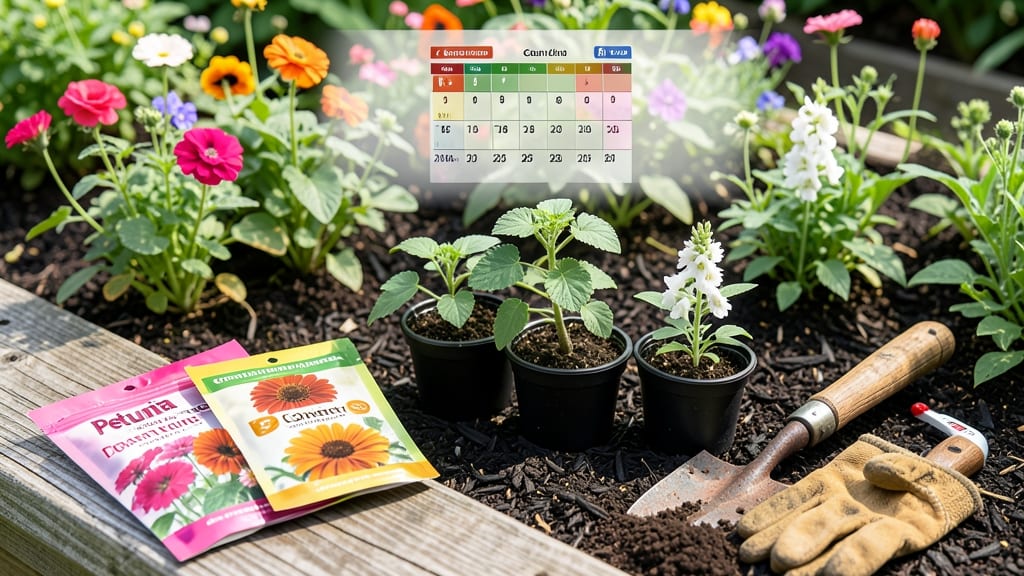
To plant flowers in Ontario and avoid frost damage, time it after your last spring frost—typically mid-May in the south but as late as early June in the north.
Timing your flower planting in Ontario’s unpredictable climate can mean the difference between a vibrant garden and a frost-killed disappointment—so knowing the exact frost-free deadlines by zone and variety is non-negotiable.
Southern Ontario’s Zone 6-7 gardens can start annuals like petunias and marigolds as early as late April, while Zone 4-5 regions in Ottawa or Thunder Bay need to wait until late May or even June for safety.
Here’s how to pick the perfect planting window for your flowers, whether you’re growing heat-loving annuals in London or cold-hardy perennials in Sault Ste. Marie—plus 5 tricks to extend your season.
Ontario’s frost-free deadlines by plant hardiness Zone: when to plant flowers safely
Ontario’s diverse climate zones—ranging from Zone 3a in the far north to Zone 7b in the southwest—create wildly different planting windows for flowers. Missing the last frost date can mean wilted seedlings or stunted growth, but knowing your zone’s frost-free timeline lets you plant with confidence.
For example, Zone 5b (Toronto area) typically has a last frost around May 15, while Zone 4a (Ottawa) might not be frost-free until June 1. Let’s break down the exact deadlines for each zone and the best flower varieties to plant after the frost.
Before diving into deadlines, remember that microclimates play a huge role. A south-facing slope in Zone 4 might warm up weeks earlier than a low-lying valley, while urban areas like London often stay warmer than rural spots.
Always check your local Environment Canada frost maps and adjust your planting by 1-2 weeks if your microclimate runs warmer or colder. For instance, perennials like coneflowers can handle light frost, but tender annuals like impatiens need consistent warmth—so plant them only after your zone’s true last frost.
Here’s your zone-by-zone planting guide, including last frost averages, ideal planting windows, and top flower picks for each region. Use this as your garden’s roadmap to avoid frost damage and maximize blooms.
For Zone 3a gardeners, patience is key—your last frost often doesn’t arrive until mid-June, so focus on cold-tolerant annuals like snapdragons and pansies. These flowers can handle light frosts and even brief chills, making them ideal for late planting.
Start seeds indoors in early April to get a jump on the season, then transplant after
Best flowers to plant in Ontario by season: spring vs. fall planting strategies
Ontario’s unpredictable spring frosts and early autumn chills make timing everything when planting flowers. While spring-planted annuals like petunias and geraniums burst into color quickly, fall-planted perennials like pansies and snapdragons establish roots before winter. The key? Matching your flower variety to Ontario’s microclimates and frost-free windows.
Southern Ontario (Zones 5-6) enjoys earlier last frost dates (mid-May), while Northern Ontario (Zones 3-4) may wait until late June. Meanwhile, fall planting should wrap up by mid-September in most regions to allow roots to harden before first frost.
Let’s break down which flowers thrive in each season—and why timing matters.
Spring Planting vs. Fall Planting in Ontario
- Pros: Faster blooms, vibrant summer color
- Best for: Heat-loving annuals (petunias, marigolds)
- Timing: After last frost (mid-May to June)
- Pros: Stronger root systems, early spring blooms
- Best for: Cold-hardy perennials (pansies, snapdragons)
- Timing: 6-8 weeks before first frost (Sept-Oct)
For spring planting, prioritize heat-tolerant annuals like zinnia or cosmos, which thrive in Ontario’s hot summers. Start seeds indoors in March for a head start, then transplant after the last frost date.
In Southern Ontario, this is often mid-May, while Northern regions may wait until June 1st.
Fall planting, however, rewards patience. Pansies and violas planted in September will survive winter and bloom earlier than spring-planted flowers. Snapdragons and calendulas also excel in fall, as they establish roots before first frost (typically October 15th in most zones).
Soil prep is non-negotiable for both seasons. In spring, focus on removing winter mulch and adding aged compost to warm soil. For fall, test soil pH and amend with organic matter—this gives roots a nutrient boost before dormancy. Mulch heavily after planting to insulate roots.
Pro tip: Use row covers for early spring plantings in Northern Ontario to protect tender seedlings from late frosts. For fall, choose disease-resistant varieties like ‘Matrix’ pansies to avoid fungal issues in damp conditions.
Remember, Ontario’s microclimates vary wildly—even within cities. A south-facing garden may be 2 weeks warmer than a north-facing bed. Adjust your planting dates accordingly, and your flower beds will thrive year-round.