
Flowers
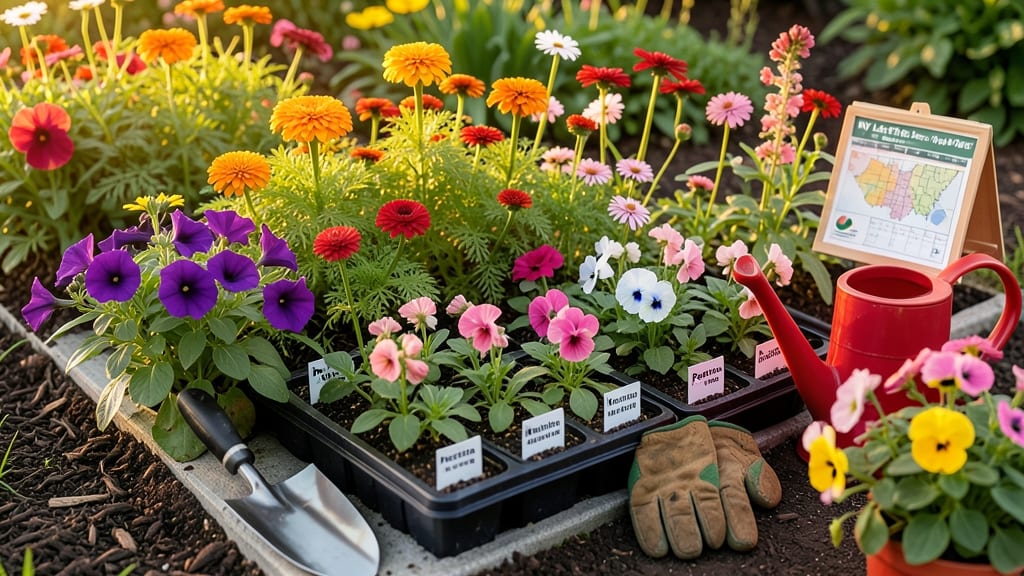
To plant flowers in New York, time your spring and fall windows to avoid frost damage in zones 5b-7a—NYC’s last frost typically hits by early May, while upstate areas like Buffalo may wait until mid-May.
Timing is everything in gardening—plant your flowers too early in New York, and a late frost could wipe out your blooms. Get the exact frost-free deadlines for each USDA zone to maximize your garden's beauty without the risk.
Whether you’re sowing annuals like petunias or hardy perennials like daylilies, knowing the right month makes all the difference. Miss the window, and you’ll end up with leggy seedlings or no blooms at all.
Below, I break down the ideal planting months for your region, the best flowers for each season, and pro tips to stretch your blooms from spring to fall—no frost casualties allowed.
NY’s USDA zones and frost-free planting deadlines by month
New York spans USDA Zones 5b through 7a, meaning frost dates vary dramatically from Buffalo (Zone 6b) to New York City (Zone 7a). Understanding these zones helps you avoid late-spring frosts that can devastate tender seedlings.
The last average frost typically arrives between mid-April and early May, while the first frost hits mid-October to early November. These windows determine when to plant annuals vs. perennials for maximum blooms.
For Zone 5b (e.g., Syracuse, Albany), the frost-free date is usually May 15, giving you a 150-day growing season. In Zone 6b (e.g., Rochester, Buffalo), you’ll see frost-free conditions by May 1, extending your season to 180 days.
Meanwhile, Zone 7a (e.g., NYC, Long Island) enjoys an even longer 200-day window, with frost-free dates as early as April 15. These differences mean your planting deadlines shift by weeks depending on location.
Here’s the key rule: Annual flowers like petunias and marigolds should wait until after your last frost, while cold-hardy perennials like daylilies and coneflowers can go in as early as April.
Region-specific adjustments are critical—NYC gardeners can plant two weeks earlier than those in Upstate New York. Use these guidelines to align your planting with your zone’s frost-free date.
In Zone 5b, where frosts linger later, focus on cold-tolerant annuals like calendula and snapdragons for early planting. These varieties handle brief chills and even light frosts, giving you a head start.
Meanwhile, Zone 7a gardeners can push the envelope with tender perennials like canna lilies, planting them as early as March 30 in sheltered microclimates. Always check microclimate variations—a south-facing wall or greenhouse can extend your season by 2-3 weeks.
For fall planting, aim to sow cool-season flowers 4-6 weeks before your first frost. In Zone 5b, that’s early September, while Zone 7a allows until mid-October. Popular choices include pansies, sweet peas, and asters, which thrive in cool autumn temperatures.
Use row covers to protect late-season blooms if frost threatens. This strategy ensures continuous color from spring through fall.
If you’re unsure about your exact frost date, consult the Cornell Cooperative Extension or use a local weather app to track 10-day forecasts. These tools provide real-time updates on frost risks, helping you time your planting perfectly.
For example, NYC’s Central Park often sees its last frost 1-2 weeks earlier than Brooklyn, so adjust accordingly. Pro gardeners also recommend hardening off seedlings for 7-10 days before transplanting to toughen them against unpredictable late frosts.
Another pro tip: Direct-sow heat-loving annuals like sunflowers and zinnias after May 15 in all zones to avoid soil shock from cold nights. These plants prefer warmer soil temperatures (60°F+), so rushing them can stunt growth.
For perennials, divide and transplant in early spring or fall, but avoid summer heat stress. Mulching with 2-3 inches of organic matter helps regulate soil temperature and moisture, creating a stable environment for roots.
Best flowers to plant early vs. late in NY gardens
New York’s variable climate demands smart flower choices—some blooms thrive in cool spring temps, while others wait for summer heat. Planting the wrong flower at the wrong time means wasted effort or stunted growth.
For example, pansies can handle light frosts, while zinnias bolt if planted too early. Let’s match your flowers to NY’s two key planting windows to guarantee vibrant blooms all season.
In USDA Zones 5b-7a, early spring (March-April) is perfect for cold-hardy annuals like snapdragons and calendula, while late summer (July-August) rewards heat-lovers such as sunflowers and cosmos. My top picks? Pansies for February-March and marigolds for June-July.
The secret? Soil temperature matters just as much as air temps—wait until the ground warms to 60°F for tender varieties.
- 🌱 Pansies – February-March (tolerates light frost, blooms in cool weather)
- 🌿 Snapdragons – March-April (hardy to 25°F, thrives in spring/fall)
- ☀️ Zinnias – June-July (needs warm soil, heat-tolerant blooms)
- 🌻 Sunflowers – May-June (direct-sow after last frost for giant blooms)
- 🌷 Cosmos – May-June (drought-resistant, self-seeds easily)
For early-season success, prioritize cool-season annuals like snapdragons and calendula. These flowers handle light frosts and even improve with cooler temps. Start seeds indoors in February for a jumpstart, or sow directly when soil reaches 45°F.
My go-to varieties include ‘Matrix’ pansies (resistant to powdery mildew) and ‘Tom Thumb’ snapdragons (compact and prolific).
Switch to heat-loving annuals in late spring (May-June) once nighttime temps stay above 50°F. Zinnias and sunflowers explode with color when planted after the last frost.
Pro tip: Direct-sow sunflowers for stronger stems—transplants often struggle. For extended blooms, pair zinnias with cosmos, which attract pollinators and self-seed for next year.
Don’t overlook perennials for strategic planting! Daylilies and black-eyed Susans can be planted in early spring (March-April) or early fall (September) to establish roots before extreme temps.
These low-maintenance workhorses return year after year, making them a NY gardener’s best friend. For instant color, add tender perennials like canna lilies after Memorial Day.
Timing your flower succession ensures nonstop blooms from spring to frost. Start with cool-season pansies in February, transition to zinnias in June, and finish with mums in August.
This 3-phase approach keeps your garden lively without gaps. And remember: Deadhead spent blooms to encourage new flowers—it’s the easiest way to extend your season.