
Flowers
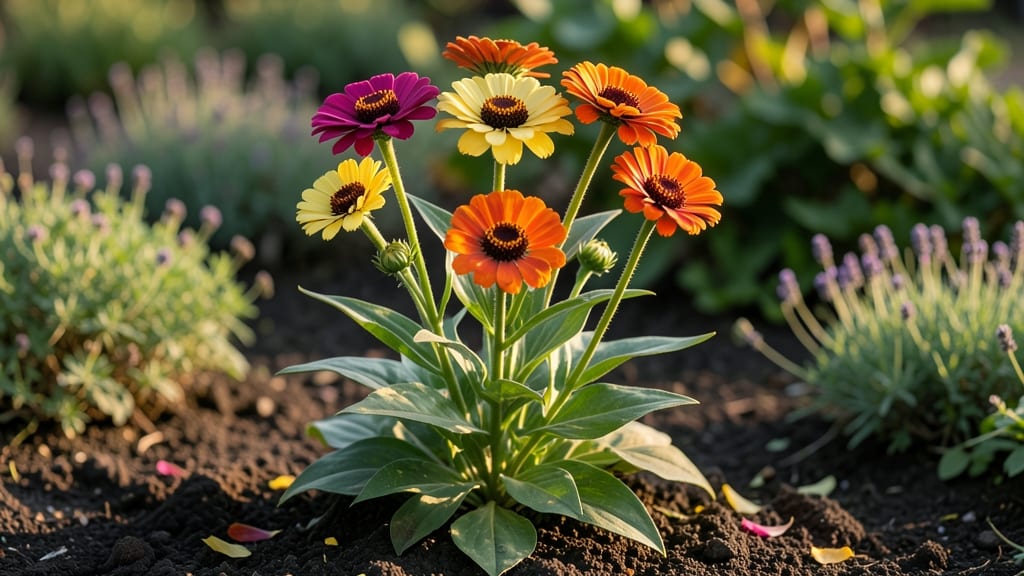
Your zinnia flower height will determine whether your garden looks like a cheerful border or a wildflower jungle — and the right variety can make all the difference.
Want vibrant blooms that steal the show in your garden? Zinnia flower height varies dramatically by variety — from compact 12-inch dwarfs to towering 4-foot giants — making the right choice critical for spacing, borders, and cut-flower arrangements.
Picture this: Zinnia 🌼 varieties like 'Thumbelina' stay under a foot tall, perfect for containers or edging, while 'Benary's Giant' stretches nearly as tall as you are. That’s a 3-foot difference in just a few inches of garden space!
In this guide, you’ll learn how to match your zinnia height to your garden’s needs — from ideal spacing to when to stake those tallest varieties — so every bloom gets the room (and support) it deserves.

Zinnia flower height by variety: compact vs. tall species explained
Choosing the right zinnia flower height transforms your garden from cluttered to curated. Dwarf zinnias at just 12 inches create perfect edging, while tall zinnias reaching 48 inches become stunning backdrops. The secret lies in understanding each variety's mature size and spacing needs to prevent overcrowding and maximize blooms.
I've grown over 15 zinnia varieties in my own garden, and the height difference isn't just about aesthetics—it directly impacts sunlight access, watering efficiency, and even pest resistance. Compact varieties thrive in containers, while tall varieties need staking for dramatic vertical impact.
Let's explore the full spectrum from pint-sized to towering giants.
Here's where variety selection becomes critical: Dwarf zinnias (12-18 inches) work beautifully in window boxes, medium-height (24-30 inches) create perfect mid-border focal points, and giant zinnias (36-48 inches) demand their own space as statement pieces. The right choice depends on your garden's layout and design goals.
| Variety | Height Range | Ideal Spacing | Best For |
|---|---|---|---|
| Thumbelina Series | 12-18" | 6-8" apart | Containers, borders |
| Crystal Series | 18-24" | 8-10" apart | Cut flowers, mid-borders |
| Benary's Giant | 36-48" | 18-24" apart | Backdrops, staking |
| Profusion Series | 12-18" | 6-8" apart | Mass planting, containers |
| Double Click Series | 24-30" | 10-12" apart | Cut arrangements, borders |
| State Fair | 30-36" | 12-16" apart | Tall borders, staking |
| Zahara Series | 24-30" | 10-12" apart | Heat tolerance, cut flowers |
| Persian Carpet | 18-24" | 8-10" apart | Drought tolerance, borders |
The Thumbelina Series remains my top choice for container gardening—its 12-18 inch height fits perfectly in 12-inch pots while producing non-stop blooms all summer. I've seen these double in height when overcrowded, so proper spacing is crucial to maintain their compact form and encourage bushier growth.
For cut-flower arrangements, the Double Click Series at 24-30 inches provides the ideal stem length. These varieties develop thick, sturdy stems that hold up well in vases, unlike some taller varieties that flop under their own weight.
I always harvest these in the morning when stems are fully hydrated for longest vase life.
My tallest zinnias—Benary's Giant—reach 48 inches when given proper support. These need individual staking or planting near fences where they can lean naturally. The 36-48 inch range makes them perfect for creating vertical interest in mixed borders, especially when paired with tall grasses or sunflowers.
Spacing becomes especially critical with tall varieties. My State Fair zinnias at 30-36 inches need 12-16 inches between plants to prevent disease spread from crowded foliage
How zinnia height affects garden design and care
Choosing the right zinnia flower height transforms your garden from chaotic to curated. Tall varieties like 'Benary's Giant' (up to 48 inches) create dramatic backdrops, while dwarf zinnias (12 inches or less) spill beautifully over container edges.
The height you select directly impacts spacing requirements, sunlight exposure, and even pruning needs to keep stems sturdy.
For border gardens, medium-height zinnias (24-36 inches) strike the perfect balance—tall enough to frame pathways but not so imposing they block views. In cut-flower arrangements, taller varieties provide stunning vertical lines, while shorter types add texture to bouquets.
Even container gardening benefits from height variation, with dwarf zinnias cascading over edges and standard types filling the center.
Height-Based Zinnia Design Guide
- Dwarf (6-12 in): Ideal for container edges or rock gardens—plant 6-8 inches apart
- Medium (18-24 in): Perfect for mixed borders—space 12-18 inches apart for full coverage
- Tall (30-48 in): Use as backdrop plants—stake at planting for support, space 18-24 inches apart
- Containers: Mix heights—place tallest varieties in center, dwarfs at edges (3-5 plants per 12-inch pot)
- Sunlight Tip: Tall zinnias need full sun exposure (6+ hours)—dwarfs tolerate partial shade better
Height also dictates watering strategies. Taller zinnias have deeper root systems, so they need 1-1.5 inches of water per week during blooming season, while dwarfs thrive with 0.5-1 inch weekly.
Always water at the base of plants to prevent fungal issues from moisture on leaves—a common problem with tall, dense varieties.
Pruning is your secret weapon for controlling zinnia height and encouraging more blooms. For tall varieties, pinch back the main stem when it reaches 6-8 inches to promote bushier growth.
For dwarf zinnias, light pruning after flowering removes spent blooms and redirects energy to new flowers. Never cut more than 1/3 of the plant at once, or you'll stunt growth.
Pro tip: Use cage supports for varieties over 3 feet tall to prevent flopping in wind or rain. Even medium-height zinnias benefit from gentle staking if grown in heavy clay soil. And remember—deadheading (removing faded blooms) extends the season for all heights by preventing seed production.
When planning your zinnia garden, sketch a layout first! Place tallest varieties against fences or walls, medium heights in the middle, and dwarfs along edges. This creates natural layers that catch the eye and make your garden look intentionally designed—no matter your skill level.
With the right height mix, your zinnias will bloom nonstop from summer through fall.