
Watering
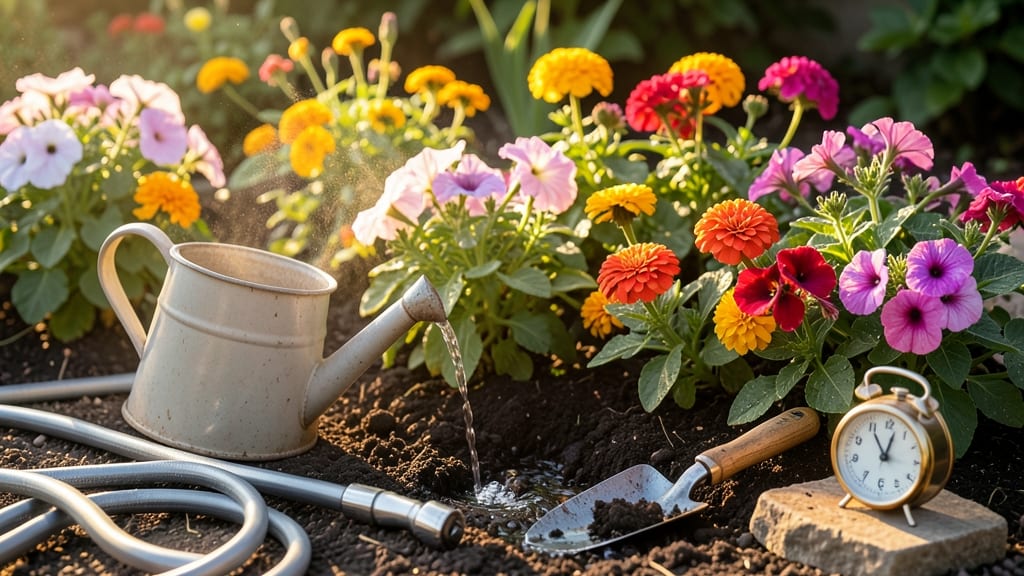
Should you water flowers every day? Watering them daily isn’t always the best move—it depends on your plants, soil, and weather.
Overwatering kills more plants than underwatering—but how do you know when your 🌸 flowers need daily hydration or a break from the watering can? The answer depends on your plants, climate, and soil.
Most flowers thrive on deep, infrequent watering rather than light daily doses. A quick soil check—stick your finger an inch down—reveals whether roots are thirsty or drowning.
Below, I’ll break down the ideal schedule for different flower types, seasonal adjustments, and the key signs your plants are begging for a drink—or a rest.


How often should you water flowers daily: signs your plants need it
Determining whether your flowers need daily watering isn't just about checking a calendar—it's about reading your plants. Every flower variety has unique hydration needs, and overwatering can be just as harmful as underwatering.
The key lies in understanding visual and tactile cues that tell you when to grab the watering can or hold off.
Start by examining the soil moisture—stick your finger about 1-2 inches deep. If it feels dry, your flowers likely need water. However, if it's still damp, hold off for another day.
This simple test prevents root rot while ensuring your plants stay hydrated. Pay attention to how quickly the soil dries out, as this varies by plant type and climate.
Next, observe the leaves and stems. Drooping or wilting leaves are clear signals your flowers are thirsty, especially in hot, dry conditions. However, avoid confusing natural wilting (like in the evening) with dehydration.
Check the leaf texture—crispy or brown edges often mean underwatering, while yellowing can signal overwatering.
Different flower types have distinct needs. Succulents and cacti store water in their leaves and only need water every 2-3 weeks, while hydrangeas and roses thrive with daily watering in summer. Understanding these differences is crucial for keeping your garden healthy and vibrant.
🌱
| Plant Type | Watering Frequency | Signs of Thirst | Soil Test Depth |
|---|---|---|---|
| Succulents & Cacti | Every 2-3 weeks | Wrinkled leaves, sunken stems | 1-2 inches (bone-dry) |
| Hydrangeas & Roses | Daily in summer, every 2-3 days in spring/fall | Drooping leaves, dry soil surface | 1-2 inches (dry) |
| Annuals (Petunias, Marigolds) | Every 1-2 days in heat | Wilting, crispy leaf edges | Top 1 inch (dry) |
| Perennials (Lavender, Coneflowers) | Every 3-5 days (deep watering) | Slow growth, dull foliage | 2-3 inches (dry) |
| Orchids & Tropical Flowers | Every 2-3 days (morning watering) | Yellowing leaves, limp stems | Top 1 inch (slightly moist) |
Your local climate plays a massive role in watering frequency. In hot, dry regions, flowers may need daily watering, while humid climates can slow evaporation, reducing the need. Pay attention to rainfall patterns—adjust your watering schedule after a heavy rain to avoid overwatering.
Another key indicator is the time of day you water. Morning watering is ideal because it allows foliage to dry quickly, reducing fungal diseases. If you notice yellow leaves or mold growth, you may be watering too frequently or at the wrong time.
Always water at the base of the plant to keep leaves dry.
Don’t ignore the container type if you’re growing flowers in pots. Potted plants dry out faster than in-ground ones, often requiring daily watering in summer. Check the weight of the potwell-draining soil to prevent waterlogging.
Seasonal changes also affect watering needs. In spring and fall, most flowers need water every 2-3 days, while winter watering can be reduced to once a week unless you’re growing frost-sensitive varieties.
Always adjust based on weather forecasts—a heatwave might mean extra watering, while cool, cloudy days can extend the time between waterings.
💧
Daily watering risks vs. benefits: when to adjust your schedule
Watering your flowers daily might seem like a safe bet, but it can actually harm more than help. Overwatering creates a breeding ground for root rot and fungal diseases, while underwatering stresses plants like petunias and roses that thrive on consistent moisture.
The key is finding that sweet spot between hydration and suffocation.
Your local climate plays a huge role in determining the right schedule. In desert regions, daily watering is rarely needed—most native flowers survive on bi-weekly deep waterings.
Meanwhile, tropical climates with high humidity may require daily hydration for thirsty plants like hibiscus or canna lilies during peak summer months.
Even the soil type affects how often you should water. Sandy soil drains quickly, demanding more frequent watering, while clay soil holds moisture longer, reducing the need for daily attention. Always check the top 1-2 inches of soil before watering—if it's dry, your flowers likely need hydration.
Daily Watering: Pros & Cons
✅ Pros
- Keeps soil moist for thirsty plants like roses or petunias
- Prevents wilting in extreme heat (90°F+)
- Ideal for container gardens with limited soil volume
- Encourages vibrant blooms in high-maintenance flowers
❌ Cons
- Promotes root rot in waterlogged soil
- Increases fungal growth (e.g., powdery mildew)
- Wastes water and nutrients in desert climates
- Can leach nutrients from soil over time
For succulents and cacti, daily watering is a death sentence—these drought-loving plants need water every 2-4 weeks at most. On the other hand, annual flowers like marigolds or zinnias often benefit from daily watering during their blooming season (spring to fall) to maintain lush foliage.
Adjust your schedule based on seasonal changes. In summer, most flowers need daily watering, while winter typically requires cutting back to once a week or less. Always observe your plants—yellowing leaves or mushy stems are clear signs you're overdoing it.
Pro tip: Invest in a moisture meter to avoid guesswork. These $10 tools tell you exactly when your soil needs hydration, saving your flowers from both drought stress and waterlogging. With the right balance, your garden will flourish without the risks of daily watering.