
Flowers
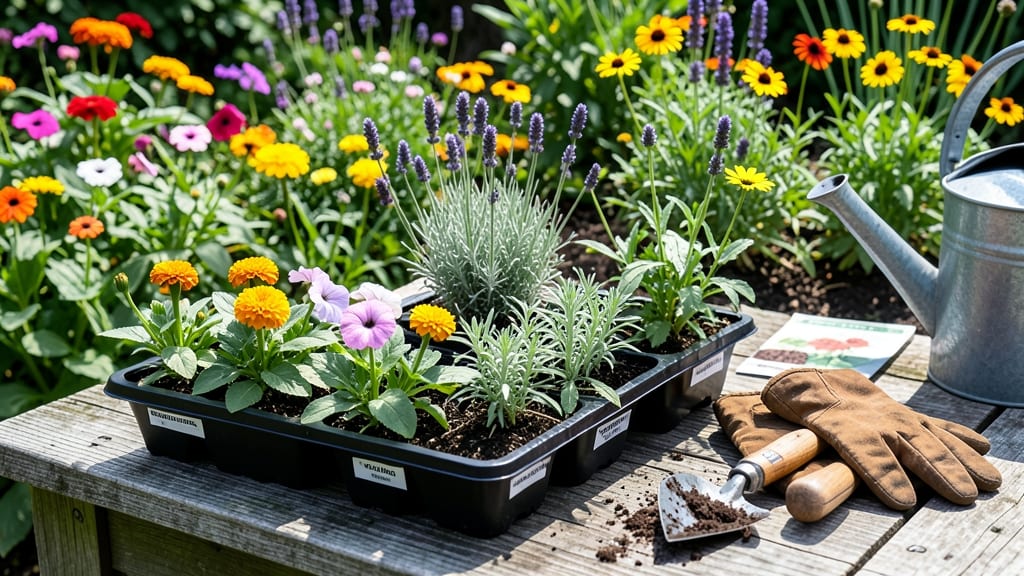
Planting flowers in Zone 8 at the right time ensures vibrant blooms all season—miss the window, and you risk weak growth or frost damage.
Timing your flower planting in Zone 8 can mean the difference between vibrant blooms all season and wilting disappointment—so when exactly should you plant?
Most gardeners in Zone 8 start cool-season flowers like pansies or snapdragons 6–8 weeks before the first frost, which typically lands in late October or early November. But if you're growing heat-lovers like zinnias or marigolds, wait until after your last frost date, usually mid-March to early April.
Why does this matter? Because Zone 8’s mild winters and long growing season let you plant year-round with the right adjustments. Spring plantings thrive with warm soil, while fall bulbs need time to root before winter chill sets in.
Even within Zone 8, coastal areas stay frost-free longer than inland spots—so your neighbor’s schedule might not match yours.
In this guide, I’ll break down the exact months for annuals, perennials, and bulbs, plus how to tweak timing for your specific microclimate. Whether you’re a first-time gardener or a seasoned pro, these deadlines will help you avoid common mistakes and maximize your blooms.
Zone 8 flower planting calendar: exact months by flower type
Zone 8 gardeners enjoy longer growing seasons and warmer winters, but timing still matters. Unlike colder zones, you can plant year-round with the right flowers—but knowing exact deadlines prevents frost damage or missed blooms.
I’ve broken down month-by-month windows for annuals, perennials, bulbs, and tender varieties, including soil temperature thresholds and frost-free dates for Southern California, Texas, and similar climates.
Most Zone 8 regions experience last frost dates between mid-December and early January, while first frost arrives mid-November to early December. However, microclimates (like coastal areas or urban heat islands) can shift these dates by 2–4 weeks.
For example, Los Angeles rarely sees frost, while San Antonio may have light freezes. Always check your local frost dates before planting cool-season varieties.
Below is your Zone 8 Flower Planting Calendar, organized by flower type and planting window. Use this as your go-to guide to avoid common mistakes like planting tender annuals too early or bulbs too late for winter blooms.
For cool-season flowers like pansies and snapdragons, fall planting (September–October) gives them time to establish roots before winter. These varieties thrive in cooler weather and often bloom earlier in spring if planted in fall.
I’ve seen pansies in my San Diego garden blooming as early as January when planted in late September.
Meanwhile, warm-season annuals like marigolds and zinnias won’t germinate in cold soil. Wait
How to adjust planting times for Zone 8 microclimates
Zone 8 gardens might share the same hardiness rating, but microclimates within your area can shift planting windows by 3-6 weeks. A sunny south-facing slope might be ready for marigolds in late February, while a shaded urban courtyard could need to wait until April.
Understanding these variations ensures your flowers bloom when they should—not too early to risk frost or too late to miss the season.
Key factors like elevation, urban heat islands, and wind exposure create pockets where frost lingers or heat builds. For example, coastal Zone 8 areas like San Francisco often experience cooler temperatures near the shore, while inland Sacramento can bake earlier.
Even a 50-foot elevation change can delay planting by 2-3 weeks in mountainous regions.
⚠️ callout-warning ⚠️
Your neighbor’s perfectly timed petunia bed might fail in your shadier spot. Always test your soil temperature—60°F+ is ideal for seeds, while 50°F+ works for transplants. Use a soil thermometer for 3 days to confirm readiness.
🌱 Pro Tip: Plant cool-season flowers (like pansies) 6-8 weeks before your average first frost—even if your microclimate runs warmer.
Start by mapping your garden’s sun exposure. A full-sun area (6+ hours of direct light) warms up faster, allowing earlier planting of heat-loving zinnias or sunflowers. In contrast, partial-shade spots (3-6 hours of sun) may need to wait for coleus or impatiens until soil warms to 65°F.
Use a sun tracker or app to log light patterns for 2 weeks before planting.
Urban heat islands—where pavement and buildings trap heat—can push planting dates 2-3 weeks earlier for tender flowers like geraniums. If your garden sits near concrete or asphalt, monitor nighttime temperatures.
If they stay above 55°F, you can plant heat-sensitive annuals like snapdragons in early March instead of April.
For elevated gardens, like those in mountainous Zone 8 areas (e.g., Santa Cruz Mountains), adjust for cooler nights. Plant cool-season flowers (like calendula) in September-October for winter blooms, and delay summer annuals until after Memorial Day.
Use row covers or cold frames to extend your growing season in these areas.
Finally, observe your garden’s wind patterns. Windy microclimates dry out soil faster, so wait until soil moisture stabilizes before planting delicate flowers like cosmos.
If your area gets consistent afternoon breezes, opt for wind-resistant varieties (e.g., black-eyed Susans) and plant them 1-2 weeks later than your standard calendar suggests.