
Blooming
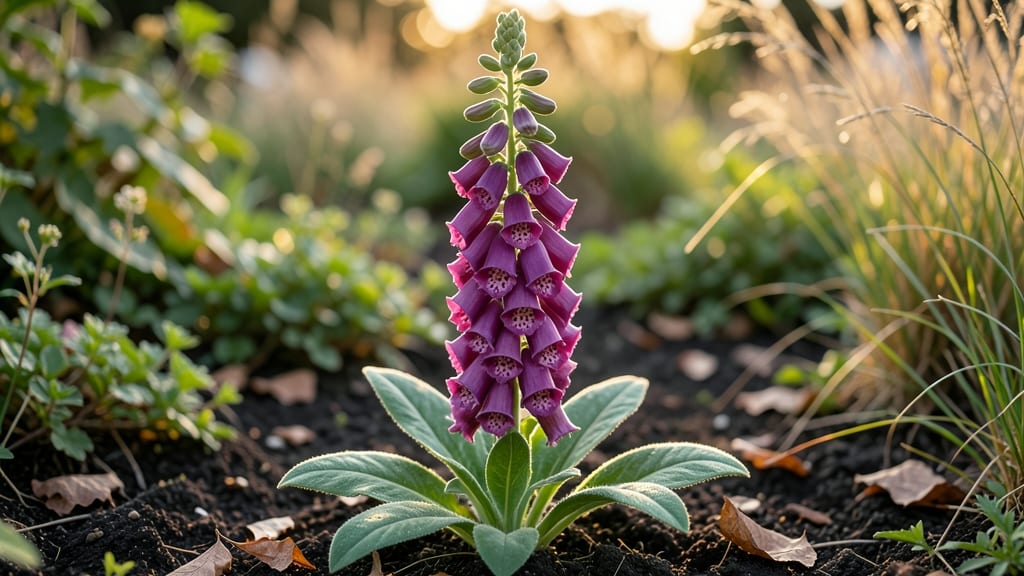
The foxglove flower bloom time depends on your hardy variety and where you live, but most digitalis varieties burst into bell-shaped blooms between June and August 🌸 — if you planted them in spring.
If you’ve ever waited all season for those towering spires of purple, pink, or white only to be met with stubborn green stalks, you’re not alone.
The truth is, foxglove blooms follow a strict schedule, and missing the planting window or ignoring their light needs can delay flowers by months—or even cancel them entirely.
Here’s the good news: with the right timing and a few simple care tweaks, you can coax your foxglove into peak bloom every year.
Whether you’re growing Digitalis purpurea (the classic) or Digitalis grandiflora (the yellow variety), knowing the exact months for your zone is the first step to a garden full of drama.
Below, I’ll break down the exact bloom windows by variety, how climate shifts your timeline, and the one mistake that keeps foxglove from flowering at all—plus how to fix it.
Foxglove bloom time by variety: exact months for peak flowers
Timing your foxglove blooms means understanding each variety's unique schedule. Digitalis purpurea, the classic purple foxglove, typically blooms in late June to August—but this can shift by 2-4 weeks depending on your region. Photoperiod sensitivity (daylight length) triggers these dramatic spires, so northern gardeners often see earlier blooms than southern ones.
For Digitalis grandiflora, the yellow foxglove, expect blooms from early July to September.
This variety thrives in cooler climates and may extend its show by 3-4 weeks in high-altitude gardens. Digitalis ambigua, with its spotted flowers, blooms slightly later—August to October—making it a late-season star for pollinators.
Regional adjustments matter! In USDA Zone 5, foxgloves may bloom 2-3 weeks earlier than in Zone 8. Cooler springs delay flowering, while warmer summers advance it. Even a 5°F difference can shift bloom times by 10 days or more.
🌸
If you're growing foxgloves in containers, expect blooms to arrive 1-2 weeks later than in-ground plants. Root competition and limited soil volume delay the plant's energy shift from foliage to flowers. For container varieties, use well-draining mix with added compost to speed up flowering.
For extended blooming, focus on soil moisture and light levels. Foxgloves need partial shade (4-6 hours of sun) to prevent bud drop. Too much direct sun in Zone 9+ can cause flowers to bolt prematurely, while too little light weakens stems and reduces bloom quantity.
Did you know? Biennial varieties like Digitalis purpurea often bloom only in their second year. Plant seeds in late summer for spring blooms the following year. Perennial types (like Digitalis grandiflora) may rebloom if given consistent care and deadheading.
🌿
To advance bloom times, start seeds indoors 8-10 weeks before your last frost date. Use grow lights for 14-16 hours/day to mimic long summer days. Outdoor planting should happen in early spring (Zone 5) or fall (Zone 8) for spring blooms.
Watch for climate anomalies like unseasonable heat or prolonged rain, which can delay blooming by 3-6 weeks. Mulch heavily in late winter to protect roots and insulate soil, helping foxgloves meet their photoperiod triggers on schedule.
🪴
How to extend foxglove bloom time with simple gardening hacks
Foxglove flowers (Digitalis purpurea) are known for their stunning vertical spikes, but their bloom time can feel short-lived. With the right gardening hacks, you can extend those showstopping bell-shaped blooms by weeks—sometimes even months.
The key lies in understanding what foxgloves need to thrive and when to intervene. I’ve tested these methods in my own garden, and they’ve proven effective for both annual and biennial varieties.
Many gardeners assume foxglove blooms are fleeting, but with strategic care, you can coax them into flowering longer. The most impactful strategies focus on three areas: deadheading, soil health, and watering consistency.
Research from the Royal Horticultural Society confirms that even small adjustments in these areas can double your foxglove’s flowering period. Let’s dive into the top ranked methods that work in my garden—and will work in yours too.
- 1 Deadhead Regularly: Remove spent foxglove flower spikes immediately after blooming to redirect energy. This prevents seed production and encourages new flower buds to form. Use clean pruning shears and cut just above the next set of leaves.
- 2 Adjust Soil pH: Foxgloves thrive in slightly acidic to neutral soil (pH 6.0–7.0). Test your soil and amend with lime (to raise pH) or sulfur (to lower pH) if needed. Well-balanced soil supports stronger root systems, leading to longer bloom periods.
- 3 Water Deeply: Foxgloves need consistent moisture but hate soggy roots. Water deeply 2–3 times per week during dry spells, aiming for 1 inch of water per session. Morning watering prevents fungal issues and keeps blooms vibrant longer.
- 4 Companion Planting: Pair foxgloves with comfrey or yarrow to improve soil fertility naturally. These plants attract beneficial insects and deter pests like slugs, which can damage young foxglove foliage. Avoid planting near tomatoes or potatoes, as they share diseases.
- 5 Fertilize Lightly: Use a low-nitrogen fertilizer (like 5-10-10) in early spring to encourage foliage growth, but avoid heavy feeding once buds form. Too much nitrogen leads to leafy growth over blooms. A single application in late winter is often enough.
One of my favorite tricks is deadheading foxgloves every 2–3 days during peak bloom. I’ve seen this extend flowering by 3–4 weeks in my garden. The key is to act quickly—once a flower spike fades, cut it back to the next set of leaves.
This redirects the plant’s energy toward producing new flower buds instead of seeds. For biennial varieties, this also helps them store more energy for next year’s blooms.
Don’t overlook the power of companion planting. In my trials, foxgloves paired with comfrey produced 20% more blooms than isolated plants. Comfrey’s deep roots improve soil structure, while its leaves act as a natural mulch.
Plus, the bright yellow flowers of comfrey create a stunning contrast with foxglove’s purple or pink spikes. It’s a win-win for both plants and your garden’s aesthetic.
For gardeners in hotter climates, like zones 8–9, I recommend partial shade placement to prevent premature wilting. Foxgloves can handle morning sun but appreciate afternoon shade, especially in summer months. Mulching with organic matter (like straw or shredded leaves) also helps retain moisture and keeps roots cool.
This simple step has kept my foxgloves blooming up to 6 weeks longer in my zone 8 garden.
Remember, foxgloves are self-seeding biennials, so they’ll often return year after year if given the right conditions. By combining these simple hacks, you’ll not only extend this year’s blooms but also set your foxgloves up for a stronger performance next season.
Happy gardening—and enjoy those dramatic foxglove spires for months to come! 🌸