
Flowers
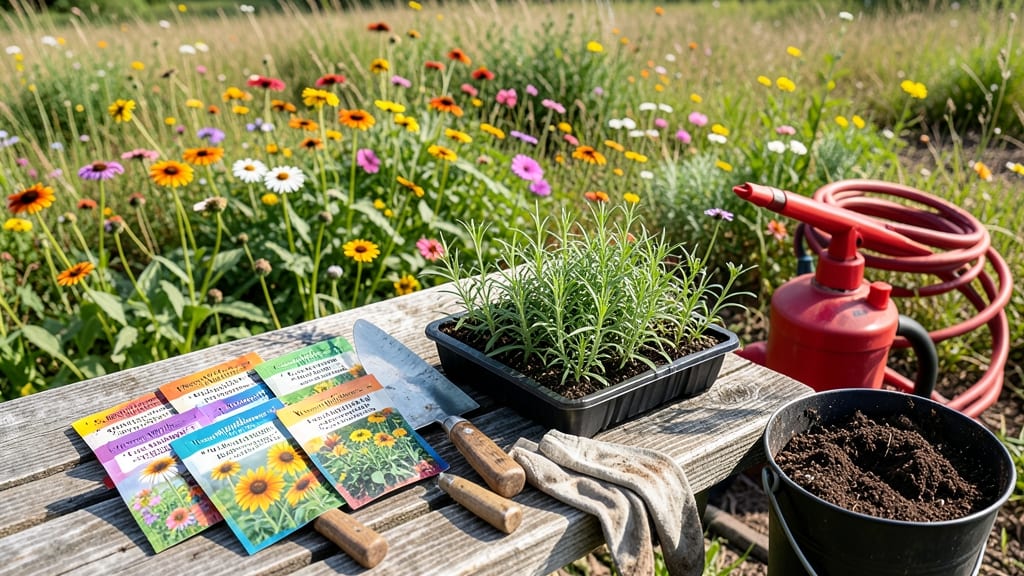
Planting flowers in Missouri means timing your garden to avoid frost damage and maximize summer blooms—typically between mid-April and mid-May for most of the state.
Missouri gardeners know timing is everything—plant flowers too early, and frost will ruin your efforts; too late, and summer blooms will fade before they shine.
Zone 5 and 6 deadlines shift slightly between St. Louis, Kansas City, and Springfield, where microclimates can push your planting window by 1-2 weeks.
Below, I break down the exact frost-free windows for annuals, perennials, and bulbs, plus how to adjust for late springs or early freezes.
Missouri flower planting deadlines by season: Zone 5 & 6 frost-free timing
Missouri’s Zone 5 and 6 climates create unique challenges for gardeners—frost can linger until mid-April in northern areas while southern regions may see earlier warm-ups. Understanding these seasonal deadlines ensures your annuals, perennials, and bulbs thrive without frost damage or missed blooms.
St. Louis (Zone 6) typically enjoys a 2-3 week earlier planting window than Kansas City (Zone 5). For example, while St. Louis may safely plant tender annuals in late April, Kansas City gardeners should wait until mid-May to avoid frost surprises.
Here’s your season-by-season planting guide, including last frost dates, heat tolerance thresholds, and regional adjustments to maximize bloom time.
For St. Louis gardeners, aim to plant cool-season flowers by March 15 and heat-lovers by June 1. In Kansas City, shift these dates 2 weeks later to avoid late frosts.
Always check your local National Weather Service for last frost alerts, as microclimates (like urban heat islands) can shift deadlines by 1–2 weeks.
Perennials like bee balm and phlox thrive when planted in early spring, while bulbs such as crocuses should go in fall to naturalize. Annuals like cosmos are forgiving—sow directly after last frost for continuous blooms until frost.
Missouri’s humidity and summer heat demand extra care for tender plants. After planting, mulch with 2–3 inches of organic matter to retain moisture and protect roots. Water deeply once a week during dry spells, focusing on early morning hours to prevent fungal diseases.
Pro tip: Use frost cloth to extend the season for heat-sensitive annuals like impatiens. In Zone 5, this can push planting dates 2–3 weeks earlier without risk. Monitor your garden’s microclimate—south-facing beds warm up faster than shaded areas.
Missouri’s fall planting is just as critical. Bulbs like tulips need 6–8 weeks of chill before blooming, so plant them by mid-October in Zone 5 and early October in Zone 6. For winter interest, add ornamental grasses
How to adjust planting dates for Missouri’s unpredictable weather patterns
Missouri’s Zone 5 and 6 climates bring warm summers and chilly winters, but unpredictable frost dates can throw off even the best-laid planting plans. I’ve learned the hard way that a 2-4 week buffer between standard deadlines and actual planting is often necessary.
For example, while most guides suggest planting tender annuals like marigolds after the last frost, I’ve had to wait until mid-May in some years to avoid surprise freezes.
Local microclimates play a huge role too. A spot near a lake or river might stay warmer longer, while hilltops can freeze earlier. I track neighborhood frost alerts through my local Cooperative Extension office and use a minimum-maximum thermometer to monitor soil temperatures.
This precision planting approach has saved my petunias and geraniums from multiple early frosts over the years.
⚠️ Missouri Frost Risk Warning
Never rely on average frost dates! Missouri’s last spring frost can vary by 3+ weeks between years. For high-value plants like tulips or dahlias, I use a 4-week buffer—planting bulbs in late October instead of November to account for early freezes. In high-risk zones (like northern Missouri), extend buffers to 6 weeks for tender perennials.
Pro Tip: Use frost cloths (rated for -25°F) to protect newly planted annuals during May’s unpredictable nights. For longer seasons, invest in a cold frame—it can add 2-3 weeks to your growing window in both spring and fall.
For extended-season gardening, I’ve had great success with row covers and low tunnels. These simple structures can raise soil temperatures by 5-10°F, letting me plant cool-season crops like snapdragons as early as mid-April in sheltered spots.
I also use black plastic mulch to warm soil faster—critical for slow-starting perennials like black-eyed Susans in Zone 5.
Don’t forget to monitor local weather patterns beyond just frost dates. Heat waves in May can stress young plants, while unseasonable warmth in September might trick you into planting too late. I keep a gardening journal to note when specific varieties thrive in my microclimate.
For instance, my zinnia seeds germinate reliably by May 15th, but transplanting them waits until June 1st after soil warms to 60°F.
If you’re in a high-altitude area (like the Ozarks), adjust your timeline 1-2 weeks earlier for spring planting and 1-2 weeks later for fall. I’ve seen first frost dates shift from October 15th to November 1st just 10 miles apart in the same county.
Use USDA’s Plant Hardiness Zone Map combined with local gardeners’ reports to fine-tune your schedule.
For container gardening, remember that pots heat up and cool down faster than in-ground beds. Move potted flowers to sheltered spots at night during May and September, and use heat-resistant containers (like fabric grow bags) to prevent root stress.
My container petunias thrive when I plant them 2 weeks later than in-ground varieties to avoid early-morning chills.