
Flowers
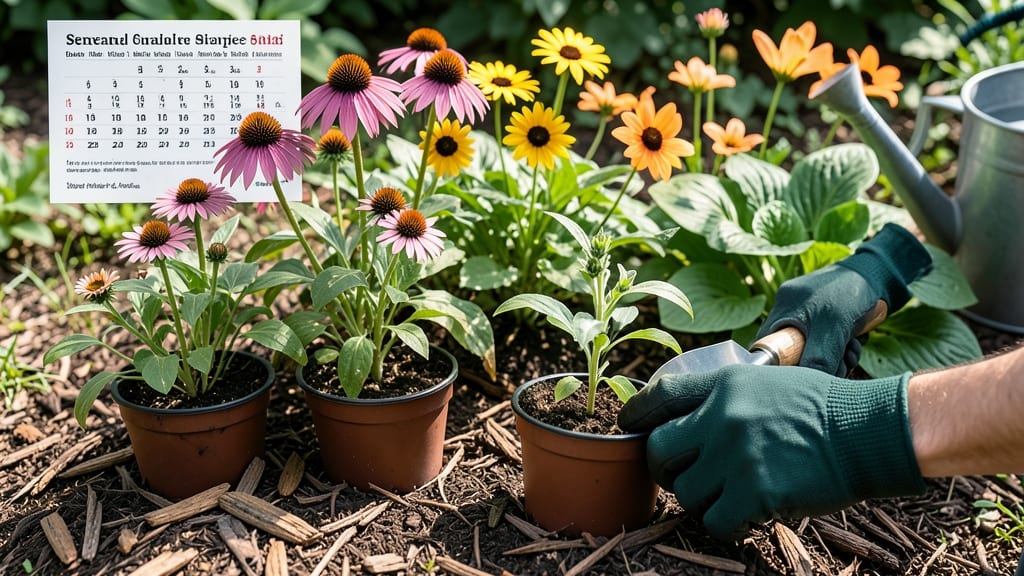
Planting flowers in Connecticut after the last frost date — typically mid-April — is the key to vibrant blooms all season long 🌸.
Connecticut gardeners know timing is everything — plant too early and frost will kill your blooms, too late and summer heat arrives before flowers even sprout. Mastering the right windows for Zone 6a-7a varieties means fewer wasted dollars and more time enjoying your garden.
In this guide, I’ll break down the exact frost dates for your region, the best planting windows for annuals and perennials, and how to adjust for Connecticut’s microclimates.
Whether you’re a first-time gardener or a seasoned pro, these tips will help you get a head start on a showstopping spring garden.
You’ll also discover the top frost-resistant flowers that thrive in CT’s climate, plus how to use row covers and cold frames to extend your growing season. By the end, you’ll have a clear plan to plant with confidence — no more guessing games or sad, stunted blooms.
Connecticut frost dates & best flower planting windows by season
Connecticut’s Zone 6a-7a climate means gardeners must work with a short growing season—typically just 160 frost-free days. The difference between a 10-day delay and a perfectly timed planting can mean the difference between a garden full of blooms and one that barely sprouts.
Understanding your last frost date (April 15-May 15) and first frost date (October 15-November 15) is the foundation of successful flower gardening in CT.
For most annual flowers, waiting until after the last frost is critical—cold-sensitive varieties like petunias or marigolds will bolt or die if planted too early. Meanwhile, hardy perennials and spring-blooming bulbs can often be planted in fall or early spring to establish strong roots before summer heat arrives.
Let’s break down the best planting windows for each flower type to maximize your CT garden’s potential.
Spring planting in Connecticut kicks off with cool-season annuals like pansies and snapdragons, which can handle light frosts. These can often be sown as early as March 15-April 1 under row covers or in a protected microclimate.
Once your last frost date passes (usually around May 1 in most of CT), you can safely plant warm-season favorites like zinnias, cosmos, and sunflowers.
For perennials, early spring planting (April 15-May 1) gives roots a head start before summer heat sets in. However, fall planting (September 15-October 1) is ideal for many perennials because it allows them to establish roots in cool soil before winter dormancy.
This strategy often results in larger, hardier plants the following spring. If you’re unsure about your local frost dates, use a frost-sensitive plant like basil as a test—plant it after May 1 and monitor for signs of frost damage.
Bulbs are a special case in CT gardens. Spring-blooming bulbs like daffodils and tulips must be planted in fall (October 1-November 1) to ensure they experience the cold stratification needed to bloom. Fall-blooming bulbs, such as crocus and fall daffodils, should go into the ground by September 1 to establish roots before winter.
Planting bulbs too late can result in weak or non-blooming plants the following season.
Don’t overlook fall planting opportunities in Connecticut. Many annuals and perennials can be sown in late summer (August 15-September 15) for fall blooms before the first frost. Varieties like cosmos, asters, and mums thrive in this window and add late-season color to your garden.
Just be sure to choose frost-hardy varieties that can withstand CT’s October 15-November 15 first frost dates.
Pro tip: Use mulch in late fall to protect perennials and bulbs from temperature fluctuations. A 3-inch layer of straw or shredded leaves can make a 10°F difference in soil temperature, helping roots survive winter.
In early spring, remove mulch once consistent daytime temperatures exceed 50°F to encourage new growth.
If you’re new to CT gardening, err on the side of planting later rather than earlier. A few extra weeks of warmth are better than risking frost damage to your entire garden.
For container gardening, you have more flexibility—just move pots indoors or under a cold frame if frost is forecasted after planting.
Finally, keep a gardening journal to track your local frost dates and planting success. CT’s climate varies by region—coastal areas (like New London) may have warmer springs, while inland valleys (like Hartford) can experience colder nights.
Adjust your planting windows based on your observations each year for the most vibrant garden possible.
Top 10 frost-resistant flowers for Connecticut gardens (Zone 6a-7a)
Connecticut’s Zone 6a-7a climate means we get late spring frosts and early fall chills, but that doesn’t mean your garden has to suffer. The secret? Choosing frost-resistant flowers that thrive in these conditions.
These hardy varieties not only survive Connecticut’s unpredictable weather but also bloom reliably year after year with minimal fuss.
From perennial workhorses like coneflowers to early spring bulbs like daffodils, these flowers are my go-to picks for Connecticut gardens. They handle cold snaps, drought spells, and even heavy rainfall—perfect for gardeners who want low-maintenance beauty without compromising on color or impact.
Below, I’ve highlighted the top 10 frost-resistant flowers for your CT garden, including their ideal planting windows, sunlight needs, and CT-specific growing tips to maximize their performance. Whether you’re planting in early spring or late fall, these varieties will give you long-lasting blooms and resilient growth.
- 🌱 Daffodils – Plant fall bulbs (October-November) for early spring blooms (March-April). Thrives in partial shade and survives heavy frost.
- 🌼 Coneflowers – Direct sow or transplant after last frost (mid-April). Drought-tolerant and attracts pollinators all season.
- 🌷 Black-Eyed Susans – Plant spring or fall (April or September). Full sun lovers with late-summer blooms (August-September).
- 🌹 Daylilies – Transplant early spring (April) or fall (September). Extremely hardy and reblooms with proper care.
- 🌻 Russian Sage – Plant spring or fall (April or September). Drought-resistant and tolerates poor soil.
- 🌺 Peonies – Plant early fall (September-October) for summer blooms (June-July). Long-lived perennials with fragrant flowers.
- 🌿 Catmint – Sow seeds early spring (March-April) or transplant fall (September). Deer-resistant and long-blooming.
- 🪴 Lavender – Plant spring or fall (April or September). Loves full sun and drought-tolerant once established.
- 🌸 Shasta Daisies – Transplant early spring (April) or fall (September). Bright white blooms all summer.
- ☀️ Yarrow – Direct sow early spring (March-April) or transplant fall (September). Drought-resistant and attracts butterflies.
For best results, I recommend planting perennials in early spring (April) or late fall (September-October) to give roots time to establish before extreme weather hits. Bulbs like daffodils should be planted in fall (October-November) for early spring blooms, while annuals like marigolds can wait until after the last frost (mid-April).
Pro tip: Mulch heavily in late fall to protect roots from winter freeze-thaw cycles. A 2-3 inch layer of organic mulch (like shredded leaves or straw) insulates soil and preserves moisture during Connecticut’s dry summers.
This simple step can mean the difference between wilted blooms and vibrant gardens.
With these frost-resistant flowers, your Connecticut garden will thrive year after year, even when Mother Nature throws a curveball. Happy planting! 🌸