
Flowers
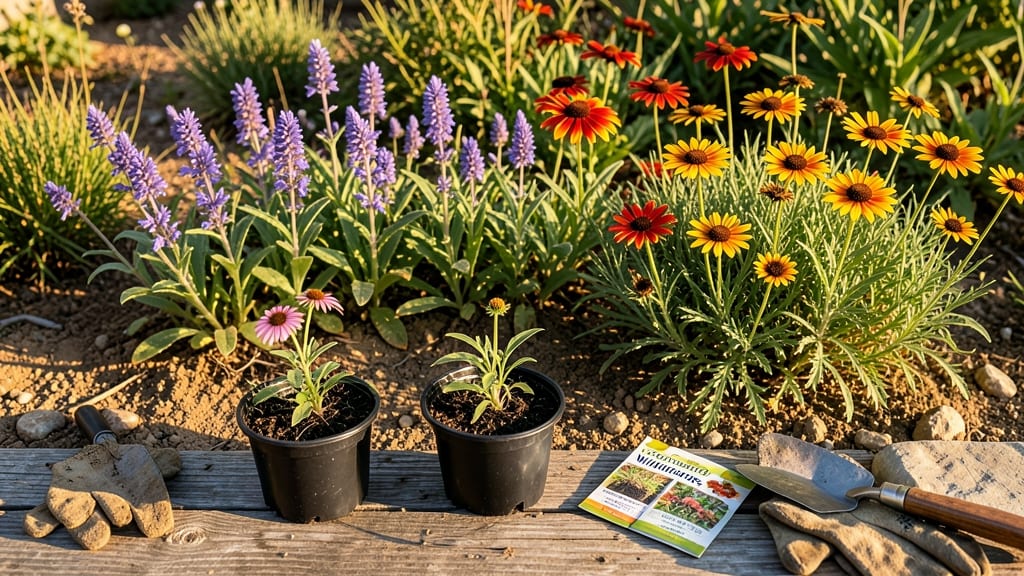
To plant flowers in Colorado at the right time means timing your garden to avoid the late frosts that can turn blooms to mush or the early heat that wilts seedlings before they take root.
Colorado’s elevation swings—from Denver’s 5,280 feet to mountain towns above 8,000 feet—mean your neighbor’s perfect planting window might be a death sentence for your garden. Get it wrong, and you’ll either be racing to cover tender shoots in May or watching your summer flowers bolt before they even open.
This guide breaks down the exact frost-free deadlines for your elevation zone, whether you’re sowing seeds indoors in February or transplanting hardy perennials in early May.
We’ll also cover the best flowers for Colorado’s short season—annuals that bloom fast, perennials that return year after year, and bulbs that brave the alpine chill.
By the end, you’ll know not just when to plant, but how to adjust for Colorado’s quirks: alkaline soil, drought-prone summers, and those sneaky late frosts that hit the Front Range in May while the mountains are still snow-covered. Let’s get those 🌸 thriving.
Colorado’s frost-free planting zones by elevation: when to start seeds vs. transplants
Colorado’s dramatic elevation changes—from the Front Range at 5,000–6,000 ft to mountain regions above 9,000 ft—create wildly different planting windows. At Denver’s 5,280 ft, last frost typically arrives April 15–May 1, while Aspen (8,000 ft) may wait until May 15–June 1.
Understanding these zones helps you avoid frost damage to tender seedlings or heat stress from late starts.
For annual flowers like petunias and marigolds, timing is critical—start seeds 6–8 weeks before your last frost date, but transplant hardened-off seedlings 2–4 weeks after frost risk passes. Perennials like coneflowers and lavender thrive when planted in early spring or fall, while bulbs (tulips, daffodils) need fall planting for spring blooms.
Here’s how to match your elevation to the perfect planting strategy:
In the Front Range, where Denver and Colorado Springs sit, petunias and marigolds can handle transplanting as early as May 10 if nighttime temps stay above 40°F.
Use row covers for extra protection against late frosts. For high-altitude gardens (8,000+ ft), wait until June 1 to avoid snow flurries that can linger into June.
For perennials, timing matters less but still impacts vigor. Plant coneflowers and lavender in early spring (April–May) to establish roots before summer’s dry heat. Bulbs like tulips and daffodils must go in the ground by October 1—earlier for mountain zones where soil freezes sooner.
Microclimates add another layer of complexity. A south-facing wall in Denver can warm up 10°F warmer than an open garden bed, letting you plant tender annuals like geraniums a week earlier. Conversely, valleys and low-lying areas hold cold air, delaying frost-free dates by 1–2 weeks.
Pro tip: Use soil thermometers to confirm 50°F+ soil temps before planting heat-loving annuals. In high-altitude zones, prioritize drought-tolerant flowers like coreopsis or penstemon, which thrive with less water once established.
Fall planting offers a second chance for cool-season flowers. Sow pansies and snapdragons in August–September for spring blooms, but stop by October 15 to avoid winter die-off. In mountain regions, this window shrinks to late August only.
Remember: Colorado’s weather is unpredictable. Always have frost cloth on hand for late-May surprises, especially in foothill and mountain gardens. With the right timing, your flower garden can bloom earlier and longer than you’d expect! 🌸
How to adjust planting timing for Colorado’s unpredictable weather patterns
Colorado’s weather can shift from freezing nights to 90°F heatwaves in days, making planting timing tricky. Late frosts in May and early heat in June often catch gardeners off guard.
The key is flexibility—adjusting your schedule based on soil temperature, elevation, and microclimates like urban heat islands or mountain slopes.
For example, Denver’s last frost typically hits April 15–May 1, but high-altitude areas like Fort Collins may see frost until May 15. Meanwhile, Colorado Springs can warm up fast, allowing earlier planting for heat-tolerant flowers like zinnias or marigolds.
Use local CoCoRaHS weather stations to track real-time conditions.
Here’s my pro tip: Always check soil temperature before planting. Most flowers thrive when soil reaches 50–60°F. Use a soil thermometer—cold soil can stunt root growth, even if air temps are warm.
For high-altitude gardens (above 7,000 ft), wait until May 15–June 1 to avoid frost damage to tender annuals.
🌱 Colorado Planting Timing Cheat Sheet
| Zone/Elevation | Last Frost Date | Ideal Planting Window | Cold-Hardy Flowers |
|---|---|---|---|
| Front Range (5,000–6,500 ft) | April 15–May 1 | May 10–June 15 | Sweet peas, snapdragons, pansies |
| Foothills (6,500–8,000 ft) | May 1–May 15 | May 20–June 30 | Lupines, columbines, delphiniums |
| Mountains (8,000+ ft) | May 15–June 1 | June 10–July 15 | Alpine penstemon, yarrow, asters |
⚠️ Pro Tip: Use row covers or raised beds to extend your planting window by 2–4 weeks in frost-prone areas.
Protective measures are your best friend in Colorado’s unpredictable weather. Row covers (like Reemay fabric) can shield seedlings from late frosts while allowing sunlight and airflow. For high-altitude gardens, opt for raised beds—they warm up faster than in-ground soil and drain better in our alkaline conditions.
I’ve had great success with black plastic mulch to speed up soil warming for tomatoes and peppers, but it also works for flowers like geraniums.
Don’t forget about hail-prone zones, common in Colorado’s summer storms. Choose low-growing flowers like marigolds or alyssum near patios, and use cloche covers for delicate blooms.
For perennials, mulch heavily (3–4 inches) to protect roots from temperature swings. I’ve seen coneflowers survive hail better than roses, so prioritize native or hardy varieties.
For a risk-free approach, start cold-hardy flowers indoors in February (like snapdragons or sweet peas) and transplant after the last frost. Harden them off gradually to avoid shock. If you’re unsure, use Colorado State University’s PlantTalk Colorado hotline—they’ll give you localized advice based on your ZIP code.
Remember: Colorado’s growing season is short, but with the right adjustments, you can enjoy blooms from May through October. Start with one test bed, monitor conditions, and refine your timing each year. Your garden will thank you with vibrant, resilient flowers that thrive despite the weather! 🌷