
Flowers
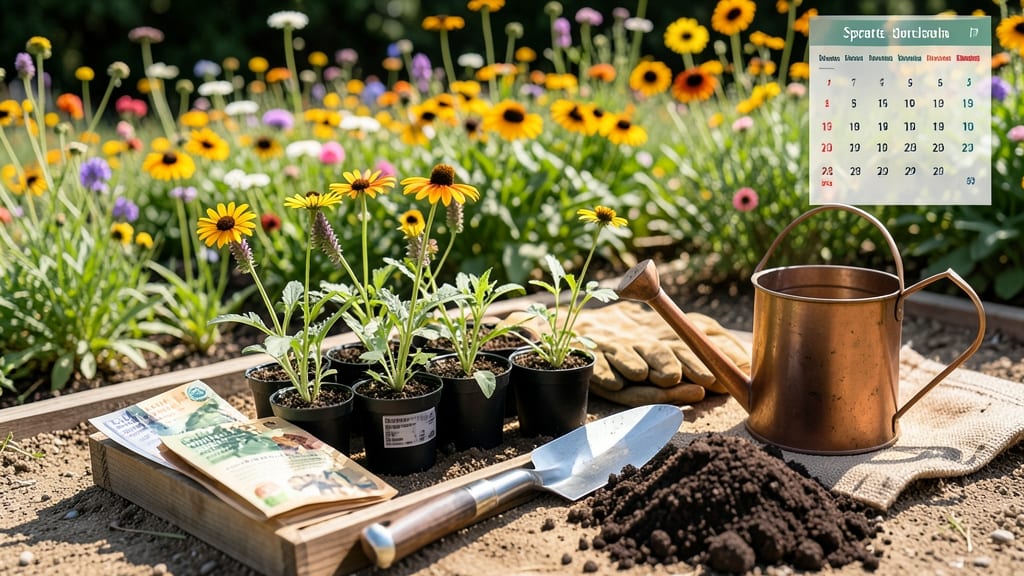
The best time to plant flowers in Colorado depends on elevation and frost dates — aim for April–May after the last spring frost, with late summer replanting for fall blooms.
Colorado’s diverse elevation zones create a unique gardening challenge—plant too early and risk frost damage, too late and miss peak bloom seasons. Timing your flower planting by elevation could mean the difference between a vibrant garden and a sad, wilted disappointment.
For USDA Zones 5–7, most annuals and tender perennials thrive when soil warms to 50°F or higher. High-altitude gardens (like those above 7,000 ft) may wait until early June, while Front Range gardeners can start as early as mid-April.
Below, I break down the ideal planting windows by zone, plus pro tips to protect your 🌸 from late frosts and maximize bloom time—no guesswork required.
Colorado’s frost-free dates by elevation zone: planting windows explained
Colorado’s dramatic elevation changes—from 2,000 feet in the Front Range to over 10,000 feet in the mountains—create wildly different frost-free seasons. These variations directly impact when you can safely plant annuals, perennials, and bulbs without risking frost damage.
Understanding your elevation zone is the first step to timing plantings perfectly for vibrant blooms.
Most Colorado gardeners fall into USDA Hardiness Zones 4–7, but the real magic happens in the frost-free window. This is the period between the last spring frost and the first fall frost, where your flowers can thrive without freezing.
For example, Denver (5,280 ft) has about 120 frost-free days, while Grand Junction (4,500 ft) enjoys 180 days—a huge difference for seasonal planning.
Key takeaway: Planting too early risks frost damage, while planting too late means missing peak bloom seasons. Use these elevation-based guidelines to align your planting with Colorado’s unique climate patterns.
| Elevation Zone (ft) | Last Spring Frost | First Fall Frost | Frost-Free Days | Best Planting Time | USDA Zone |
|---|---|---|---|---|---|
| 2,000–3,500 | Mid-April | Late October | 180–200 | April–May (spring), August–September (fall) | 7a–7b |
| 3,500–5,000 | Late April | Mid-October | 150–170 | May (spring), July–August (fall) | 6a–6b |
| 5,000–7,000 | Early May | Early October | 120–140 | Late May (spring), June–July (fall) | 5a–5b |
| 7,000–9,000 | Mid-May | Late September | 90–110 | June (spring), Early July (fall) | 4a–4b |
| 9,000+ | Late May–June | Mid-September | 60–80 | July (spring), Early August (fall) | 3a–3b |
For low-elevation zones (2,000–3,500 ft), like Colorado Springs or Grand Junction, you can start planting cool-season annuals like pansies and snapdragons as early as March.
These areas also benefit from fall planting in August–September, giving flowers time to establish roots before winter. Think marigolds, cosmos, and asters for late-season color.
At mid-elevation (3,500–7,000 ft), where Denver and Boulder reside, late April–early May is your sweet spot for warm-season annuals like petunias, zinnias, and geraniums. Wait until soil temperatures reach at least 50°F to avoid cool soil shock.
For perennials, divide and transplant in early spring or early fall to maximize root growth.
High-elevation gardens (7,000+ ft) face shorter seasons, so focus on cold-hardy perennials like columbines, penstemons, and alpine flowers
Best flowers to plant in each Colorado elevation zone
Colorado’s elevation zones—ranging from 2,000 ft in the Front Range to 10,000+ ft in the Rockies—dictate which flowers thrive best. At lower elevations, heat-tolerant annuals like zinnia and marigold shine, while high-altitude gardens (above 8,000 ft) need alpine perennials like penstemon and columbine to survive harsh conditions.
Native wildflowers, such as beebalm and blanket flower, are low-maintenance choices that attract pollinators while adapting to Colorado’s dry climates. For drought-prone areas, opt for sedum or yarrow, which require minimal water once established.
Each zone also has unique frost risks, so timing matters just as much as selection.
🌱
Low Elevation (2,000–5,000 ft)
- Longer growing season
- Heat-tolerant annuals thrive
- Diverse plant options
- Higher water needs
- Late frosts possible
- Pests like squash bugs
Mid Elevation (5,000–8,000 ft)
- Cold-hardy perennials
- Lower water demands
- Native wildflowers thrive
- Shorter growing season
- Soil may be rocky
- Wind exposure risks
High Elevation (8,000+ ft)
- Alpine flowers are unique
- Low pest pressure
- Drought-resistant options
- Very short season
- Frost risk year-round
- Limited plant choices
For low-elevation gardens (e.g., Denver, Colorado Springs), prioritize drought-resistant annuals like lantana or portulaca, which handle 90°F+ temps with ease. Pair them with perennial salvia for long-lasting color. In mid-elevation zones (e.g., Boulder, Fort Collins), cold-hardy perennials such as coneflower and black-eyed Susan excel, requiring minimal care once established.
At high elevations (e.g., Estes Park, Aspen), focus on alpine flowers like saxifrage and mountain penstemon, which thrive in poor, rocky soil and intense sunlight. These plants often bloom earlier in the season, making them perfect for short growing windows.
Always amend soil with compost to improve drainage and fertility, regardless of elevation.
Native wildflowers like purple coneflower and blanket flower are excellent choices across all zones, as they support local pollinators and require little water once rooted. For container gardening in high-altitude areas, opt for petunias or pansies, which tolerate cooler temps and can be moved indoors if frost threatens.
🌿