
Flowers
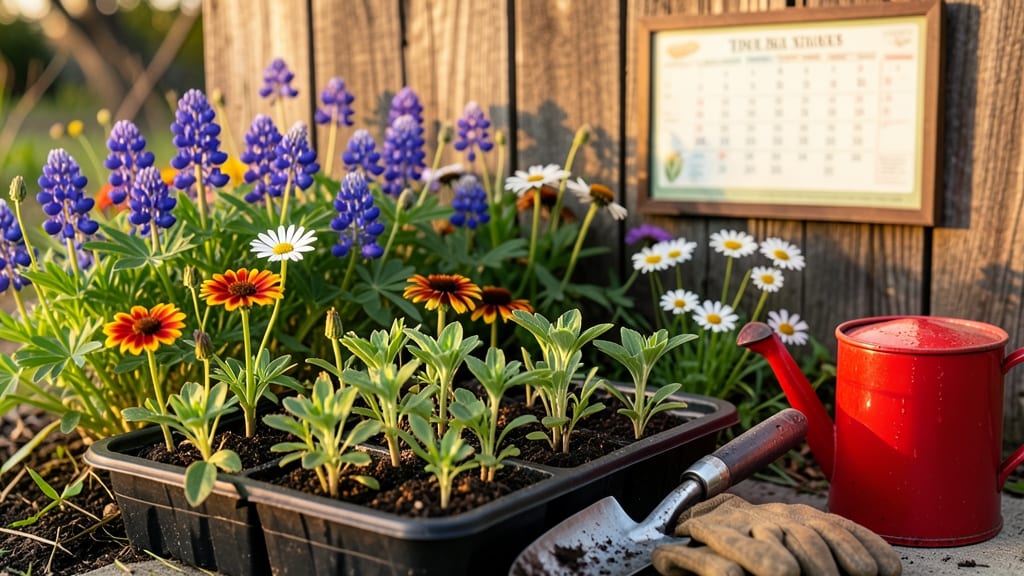
Planting flowers in Texas means beating the frost in North Texas and outrunning the heat in the Rio Grande Valley—timing is the difference between a showstopping garden and a sad, wilted mess.
Texas gardeners know timing is everything—plant too early and frost zaps your blooms, too late and scorching heat wilts them before they bloom. Mastering the perfect planting window for flowers in Texas means vibrant gardens year-round, whether you're in frost-prone North Texas or the sweltering Rio Grande Valley.
From bluebonnets in the Hill Country to salvias along the Gulf Coast, each region has its own rhythm. Miss the window by even a few weeks, and you'll end up with leggy seedlings or flowers that bolt before they open.
Below, I break down the exact months to plant by region, the heat-tolerant varieties that thrive in Texas summers, and the soil prep secrets that keep your flowers blooming from spring through fall.
Texas Flower planting calendar by region: frost dates & heat-tolerant deadlines
Texas spans 11 USDA hardiness zones, meaning your last frost dates and heat tolerance deadlines vary dramatically. In North Texas (Zones 7-8), late frosts can linger until March 15, while South Texas (Zones 9-11) enjoys frost-free winters.
Understanding these regional differences ensures your flowers thrive without frost damage or heat stress.
For annuals like zinnias and perennials like salvias, timing matters most. Plant too early in North Texas, and a late freeze will kill tender seedlings. Plant too late in Central Texas, and 100°F+ heat will wilt them before blooming.
My Texas planting calendar breaks down the best months for each region, including heat-tolerant varieties that won’t bolt in summer.
Here’s how to use this guide: Match your Texas region to the frost dates, then follow the month-by-month planting windows for your favorite flowers. I’ve included heat-tolerant alternatives for areas prone to early summer heatwaves, like the Hill Country or Rio Grande Valley.
🌱
In North Texas, where frosts can sneak in until March 15, I recommend starting cool-season annuals like pansies in September for fall blooms. For warm-season flowers, wait until after the last frost—usually mid-April—to plant heat-lovers like zinnias or Mexican sunflowers.
These varieties handle 90°F+ temps without wilting.
Central Texas gardeners have a slightly longer window. Plant cool-season flowers in October to avoid frost, then transition to heat-tolerant perennials like salvia or blackfoot daisy by March. These plants thrive in full sun and dry soil, making them perfect for Hill Country gardens.
For South Texas and the Rio Grande Valley, frost is rarely a concern. However, summer heat (June–August) can stress even the hardiest flowers. I suggest planting Portulaca or Gaillardia in September for fall and winter blooms, then switching to shade-tolerant options like plumbago for summer.
West Texas presents unique challenges with
Best heat-tolerant flowers for Texas gardens & their ideal planting times
Texas summers demand flowers that can handle 100°F+ temperatures without wilting. The key is planting heat-resistant varieties at the right time—typically after last frost dates (mid-February for North Texas, February for Central, and January for South Texas).
These sun-loving blooms thrive with minimal fuss once established, making them perfect for low-maintenance landscapes.
For urban gardens with limited shade, opt for drought-tolerant perennials like Blackfoot Daisy or Mexican Sunflower. These varieties not only survive Texas heat but also attract pollinators like butterflies and hummingbirds. Below, I’ve curated the top 5 heat-tolerant flowers and their ideal planting windows to ensure year-round color.
Plant Lantana and Zinnias in spring (March–April) for summer-long blooms. These annuals germinate quickly in warm soil and tolerate poor, rocky soil common in West Texas. For perennials like Salvia, early spring planting gives roots time to establish before peak summer heat.
If you’re in urban areas with limited shade, Blackfoot Daisy is a standout. It handles foot traffic and compacted soil, making it ideal for patio containers or landscape borders.
Water deeply once a week after establishment to encourage deep root growth, which helps them survive drought conditions.
For shade-tolerant options, consider Mexican Bush Sage or Firebush. These thrive in partial shade and add vibrant color to east-facing beds or under trees. Plant them in late summer (August–September) to avoid heat stress during transplanting.
Pro tip: Always amend soil with compost before planting to improve drainage. Mulch heavily (2–3 inches) to retain moisture and regulate soil temperature—critical in Texas’s extreme heat. With these heat-proof picks, your garden will stay lush and colorful from spring through fall.