
Flowers
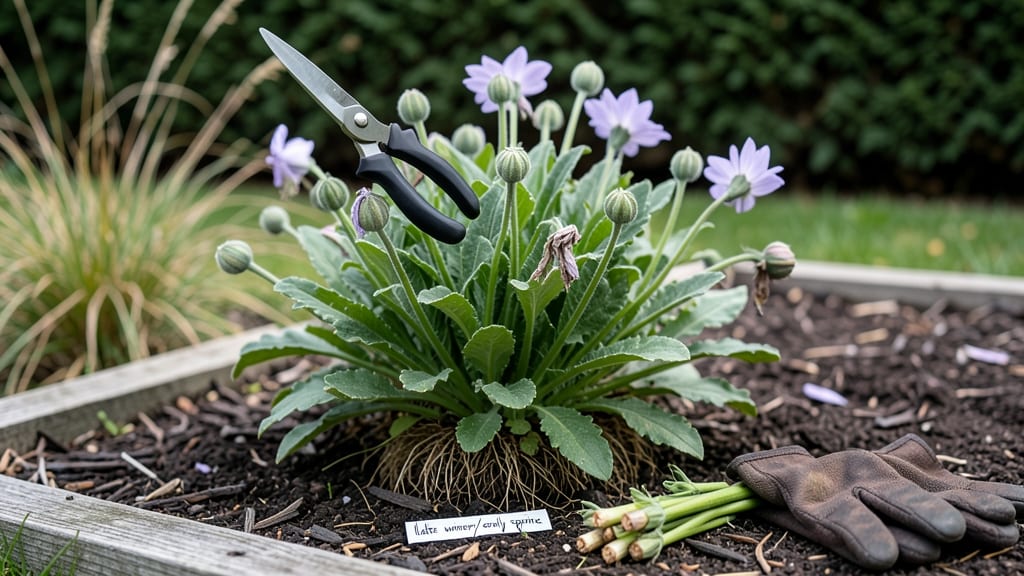
Cut back balloon flowers 🌸 in late winter—just as new shoots emerge—to spark a stronger spring rebloom and keep your garden vibrant for years.
Picture this: You’ve spent months admiring your balloon flowers’ bold blooms, only to watch them fade into a tangled mess by fall. The key to reviving them isn’t waiting until spring—it’s a precise late-winter trim that jumpstarts growth before pests or drought can slow you down.
Timing matters more than you think. Too early, and you risk damaging fresh shoots; too late, and your plant wastes energy on old stems. In Zone 6a, aim for late February to early March, right after the last frost but before buds swell.
Miss this window, and you might end up with leggy stems or fewer flowers next season.
Below, I’ll walk you through the exact steps—when to snip, what to look for, and how to avoid the three biggest mistakes that turn a simple trim into a gardening disaster. Ready to give your balloon flowers a second chance?
Optimal late winter timing for cutting back balloon flowers
Late winter is the perfect time to cut back balloon flowers (Platycodon grandiflorus) to encourage vigorous spring growth. The key is to trim after the first hard frost but before new shoots emerge.
This timing ensures you remove dead foliage while allowing the plant to focus energy on reblooming. In my USDA Zone 6a, I typically start this process in late February to early March, but your exact window depends on your local climate.
Balloon flowers are hardy perennials that thrive with proper pruning. Cutting them back at the right time prevents disease, improves airflow, and prepares the plant for its next blooming cycle. The goal is to remove last year’s dead stems while leaving healthy basal leaves intact.
These leaves act as food producers for the plant’s spring rebloom, so never trim them completely to the ground.
Visual cues are your best guide. Look for brown, crispy foliage that signals winter damage. You’ll also notice dormant buds at the plant’s base—these are your indicators that new growth is about to start.
If you see green shoots poking through the soil, it’s already too late to prune for the season.
| Climate Zone | Ideal Trimming Window | Key Visual Cues | Avoid Trimming If... |
|---|---|---|---|
| Zones 3-5 | Late February to early March | Foliage turns brown; no green shoots | Ground is still frozen |
| Zones 6-7 | Mid to late March | Dormant buds visible; crispy leaves | New growth appears |
| Zones 8-9 | Early to mid-February | Foliage yellows; mild winter conditions | Temperatures drop below 32°F |
| Zones 10+ | Late January to early February | Minimal winter dieback; cool season growth | Plant shows active growth |
Climate zones play a crucial role in determining the best time to prune. In cooler northern zones (3-5), wait until after the last hard frost—typically around mid-March—to avoid damaging tender new growth.
Meanwhile, gardeners in warmer southern zones (8-10) can start as early as late January when winter dormancy is less pronounced.
If you’re unsure about your local frost dates, check with your Cooperative Extension Service or use a frost calendar app. These resources provide precise timing for your area.
I always cross-reference with my local weather patterns—last year, an unexpected late frost in Zone 6a delayed my pruning by two weeks, but the plants still rebloomed beautifully.
Another helpful trick is to mark your calendar after the first frost of the season. Count back about 6-8 weeks for your ideal pruning window. This gives the plant enough time to recover before spring’s active growth phase.
For example, if your first frost hits in November, aim for late January pruning.
Never cut back balloon flowers in fall, as this removes protective foliage before winter. The plant relies on this cover to insulate its roots and buds. Instead, wait until late winter when the plant is dormant but not yet active.
This balance ensures you’re not encouraging early growth that could be damaged by late frosts.
Once you’ve identified the right timing, gather your tools: sharp pruners, gloves, and disinfectant to prevent spreading disease. I always sterilize my tools with rubbing alcohol before and after pruning to keep my garden healthy.
With the right timing and tools, your balloon flowers will reward you with vibrant blooms all summer long.
Pro tip: After pruning, mulch around the base of your plants with 2-3 inches of organic mulch. This helps retain moisture and regulates soil temperature as the ground warms up.
My balloon flowers always seem to bounce back faster when I use this simple step—it’s like giving them a cozy blanket to wake up in!
Step-by-step pruning process for balloon flowers: what to cut and why
Pruning your balloon flowers (Platycodon grandiflorus) isn't just about tidying up—it's about revitalizing growth and encouraging bushier, more abundant blooms next season. The key is to remove dead foliage while preserving the plant's energy reserves for spring.
I always start by assessing which stems are truly non-viable and which can be shaped to promote better airflow and sunlight penetration.
Before you grab your pruners, gather the right tools and supplies. You'll need sharp bypass pruners for clean cuts, sterilized shears to prevent disease spread, and gardening gloves to protect your hands.
Have a bucket for clippings and disinfectant (like rubbing alcohol) ready to wipe your tools between cuts. This step is crucial for maintaining plant health and preventing fungal infections.
Remove Dead or Damaged Foliage
Start by cutting back any brown, crispy, or diseased leaves at the base. Look for stems that feel hollow or mushy—these are dead and should be completely removed.
Trim Back Last Year's Flower Stems
Cut back woody, leafless stems from last season to 1-2 inches above ground level. This encourages new basal growth from the crown. Avoid cutting into green, healthy stems—these will sprout new leaves.
Shape the Plant for Better Airflow
Thin out crowded stems to improve circulation and sunlight exposure. Aim to leave 3-5 strong stems per plant, cutting back weaker ones at the base. This reduces pest and disease risks.
Clean Up Debris and Sterilize Tools
Remove all clippings and debris from the base of the plant to prevent rot and pests. Wipe your pruners with rubbing alcohol between cuts to avoid spreading bacterial or fungal spores.
One common mistake I see is over-pruning—cutting back too aggressively can weaken the plant and delay spring growth. Another pitfall is using dull tools, which can tear stems and invite infections.
Always make clean, angled cuts just above a leaf node or bud to encourage healthy regrowth. With the right technique, your balloon flowers will reward you with vibrant blooms all season long!