
Size
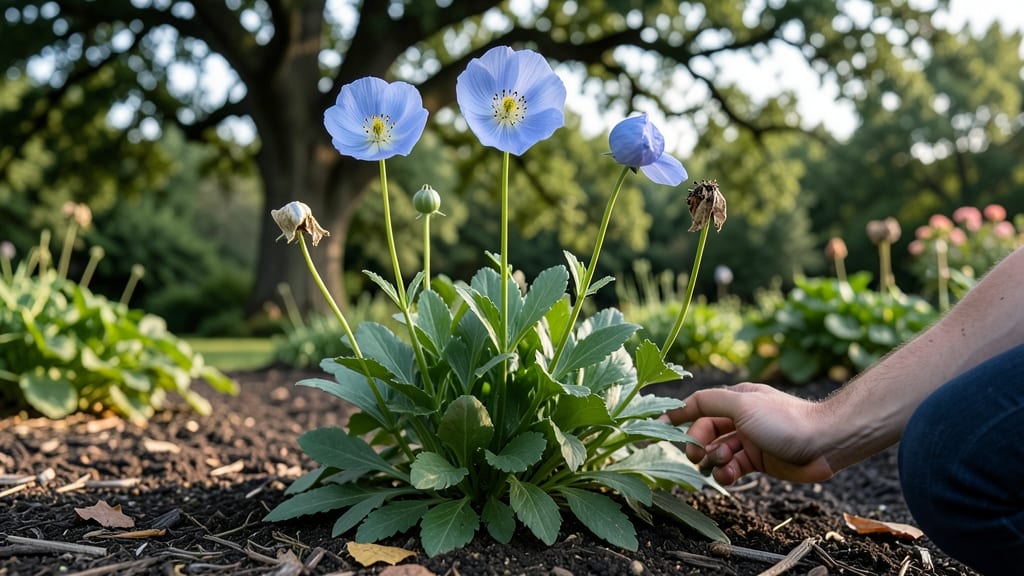
Balloon flowers grow between 1 and 3 feet tall at maturity, making them a versatile choice for small gardens or container plantings 🌸.
If you're dreaming of adding vibrant, low-maintenance blooms to your space but worry about overcrowding, these flowers strike the perfect balance—compact enough for tight spots but sturdy enough to hold their own in borders.
Their size varies by variety, with some dwarf types staying under 18 inches while standard cultivars reach closer to 3 feet. That means you can easily match their growth to your garden’s layout, whether you’re working with a sunny windowsill or a shaded backyard corner.
In this guide, I’ll break down exactly how tall your balloon flowers will get, the best spacing for healthy growth, and simple care tips to keep them thriving without taking over your space.
Balloon flower mature size by variety: compact vs. tall options for small gardens
Choosing the right balloon flower variety for your garden depends entirely on space—some varieties stay compact while others reach towering heights. As someone who's filled countless small gardens with these vibrant blooms, I've learned that even a 10-foot-square space can accommodate the right selection.
The key is understanding each variety's mature height and spread potential.
Most balloon flowers (Platycodon grandiflorus) grow between 1 to 3 feet tall, but some dwarf varieties barely reach 12 inches. This makes them ideal for container gardening or tight borders.
Meanwhile, taller varieties can become small shrubs, perfect for mid-border planting. Let's explore the most popular options so you can pick what fits your space perfectly.
| Variety | Height (ft) | Spread (ft) | Best For | Color |
|---|---|---|---|---|
| 'Astra Blue' | 2-3 | 1-1.5 | Mid-border, cottage gardens | Blue |
| 'Hortensia' | 1.5-2.5 | 1-1.5 | Containers, small borders | Pink |
| 'White Dawn' | 1-2 | 1 | Rock gardens, containers | White |
| 'Marina' | 1-1.5 | 1 | Dwarf varieties, window boxes | Blue |
| 'Fuji Pink' | 2-3 | 1.5-2 | Back of borders, mixed beds | Pink |
| 'Blue Boy' | 1.5-2 | 1-1.5 | Small gardens, patio pots | Blue |
For small gardens, I recommend starting with 'Marina' or 'White Dawn', as they stay under 1.5 feet tall and work beautifully in containers or window boxes. These varieties also produce abundant blooms without overwhelming your space.
If you have a bit more room, 'Astra Blue' and 'Fuji Pink' offer stunning colors while still fitting neatly into mid-border designs.
One common misconception is that taller balloon flowers require more maintenance. In reality, their clumping habit keeps them contained naturally. The key is providing well-draining soil and moderate watering—both of which I'll cover in more detail later.
Even the tallest varieties rarely exceed 3 feet, making them versatile for various garden styles.
If you're growing balloon flowers in containers, choose varieties like 'Blue Boy' or 'Hortensia', which thrive in 12-inch pots. For ground planting, allow 18-24 inches between plants to prevent overcrowding.
This spacing ensures each plant has room to develop its full blooming potential without competing for nutrients.
Color also plays a role in variety selection. The deep blues of 'Astra Blue' create striking contrasts, while 'White Dawn' adds elegance to any garden. 'Fuji Pink' brings warmth and pairs well with cool-toned perennials.
When planning your garden layout, consider how these colors will interact with your existing plant palette.
For those with limited vertical space, I suggest training taller varieties like 'Fuji Pink' against a trellis or fence. This not only saves ground space but also creates a beautiful vertical display. Just be sure to provide support early, as balloon flowers can become top-heavy with blooms.
One of my favorite tricks for small gardens is mixing dwarf and standard varieties together. For example, planting 'Marina' in front of 'Astra Blue' creates a layered look that adds depth without taking up extra space. This technique works particularly well in raised beds or narrow garden strips.
Remember that balloon flowers are perennial, meaning they'll return year after year. Their mature size remains consistent, so once you've chosen the right variety for your space, you'll enjoy their vibrant blooms with minimal effort. With proper care, some varieties can even live for 10 years or more!
How to control balloon flower growth naturally: pruning, spacing, and companion planting tips
Balloon flowers (Platycodon grandiflorus) may look dainty, but they can quickly outgrow small spaces if left unchecked. The key to keeping them compact and bushy lies in strategic pruning, proper spacing, and smart companion planting.
With these natural growth-control methods, you can enjoy their vibrant blooms without sacrificing garden real estate.
One of the simplest ways to manage balloon flower size is through regular pruning. Pinching back the stems early in the season encourages branching and fuller growth, while deadheading spent blooms redirects energy to new flowers.
For taller varieties, a mid-season trim can prevent flopping and keep stems sturdy.
- Ideal spacing: 12–18" apart for standard varieties, 9–12" for dwarf types
- Prune time: Early spring (for shape) and after blooming (to encourage rebloom)
- Companion plants: Dwarf coneflowers or catmint to limit root competition
- Avoid over-fertilizing: Too much nitrogen = leafy growth, fewer blooms
- Container tip: Use 10–12" pots for dwarf varieties to restrict root spread
Spacing plays a crucial role in preventing balloon flowers from becoming overcrowded and leggy. Plant them 12–18 inches apart in garden beds to allow airflow, which reduces disease risk and encourages bushier habits.
In containers, choose pots that are at least 10 inches deep—shallower pots can stunt root growth, leading to smaller plants overall.
Strategic companion planting can also help control balloon flower growth naturally. Pair them with low-growing perennials like creeping thyme or ajuga to limit root competition while adding texture to your garden. Avoid planting near aggressive spreaders like mint or bamboo, which can outcompete your balloon flowers for nutrients.
For container gardens, mix balloon flowers with companion plants like pansies or sweet alyssum to fill gaps and create a dense, colorful display without sacrificing space. Just ensure your containers have adequate drainage—balloon flowers hate soggy roots, which can lead to weak, leggy growth.
Finally, resist the urge to over-fertilize. Balloon flowers thrive in average garden soil and don’t need heavy feeding. A light application of compost in early spring is usually enough to support healthy, controlled growth. Too much fertilizer can result in excessive foliage at the expense of those prized blooms.