
Companion Plants
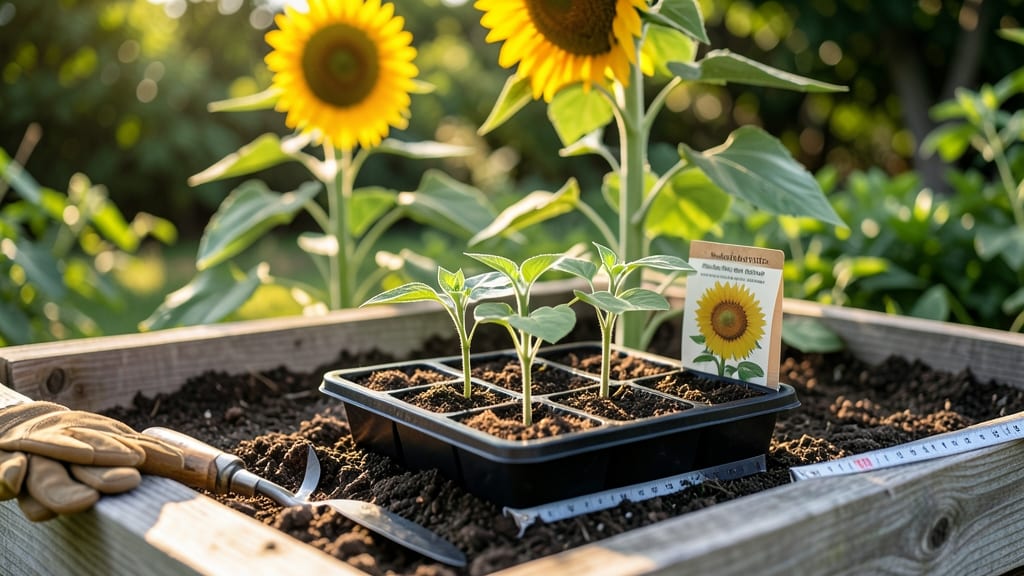
Planting sunflower seeds in Ohio after your last frost date — typically around mid-April — ensures those towering 🌻 blooms you’ve been dreaming of.
Ohio’s unpredictable spring weather can make sunflower planting a guessing game—but timing your seeds correctly means the difference between towering summer blooms and wilted disappointment. Get the exact frost-free window for your sunflower variety to maximize growth and yield.
As an annual, sunflowers thrive in Ohio’s USDA Zone 6a, but they need warmth to sprout. Planting too early risks frost damage, while waiting too long cuts back on their 165-day growing season before the first frost in October.
Below, I’ll walk you through the ideal planting window, soil prep tips, and how to adjust for Ohio’s microclimates—so you can enjoy sunflowers that reach their full potential.
Ohio sunflower planting calendar: frost dates and ideal timeframes by variety
Ohio’s sunflower planting window hinges on last frost dates and variety maturity. Dwarf varieties like 'Teddy Bear' (1-3 ft) can handle cooler soil, while giant 'Mammoth' types (10-14 ft) need warmer temperatures to thrive.
I’ve broken down the optimal planting months for Ohio’s four major cities—Columbus, Cleveland, Cincinnati, and Toledo—so you can align your schedule with local climate patterns.
Sunflowers are warm-season annuals that cannot tolerate frost. Even young seedlings will die if temperatures dip below 50°F.
That’s why I recommend waiting until after your average last frost date (typically mid-April) to plant, but with adjustments based on your sunflower’s mature height and your region’s heat tolerance.
For Columbus gardeners, the sweet spot is early May for medium varieties, but giant sunflowers need that extra warmth, so wait until mid-May. If you’re in Cleveland, hold off until at least early May—cold snaps after April 20 can still damage tender seedlings.
Ohio’s southern regions like Cincinnati get a head start, with mid-April being safe for dwarf sunflowers. However, I’ve seen late frost surprises push back planting until early May for taller varieties.
Always check your local USDA Zone 6a forecasts, as microclimates can shift planting windows by 1-2 weeks.
If you’re planting late (after Memorial Day), focus on dwarf or semi-dwarf varieties like 'Sunspot' or 'ProCut'. These bolt quickly and produce full blooms even with a shorter growing season.
For giant sunflowers, late planting risks stunted growth—they need at least 90 days of warmth to reach maturity.
Pro tip: Use a soil thermometer to confirm 55°F+ soil temperatures before planting. In cool springs, I’ve used black plastic mulch to warm the soil 2-3 weeks faster than bare ground. This trick is especially helpful for Toledo gardeners, where late frosts can linger into May.
For urban gardeners with limited space, container-grown sunflowers can be planted 2 weeks later than in-ground varieties. Pots warm up faster and reduce frost risk. Just ensure your containers are at least 12 inches deep—shallow pots stunt root growth and reduce water uptake.
Remember: Sunflowers thrive on heat, but overheating can also stress them. If your summer temperatures exceed 90°F for prolonged periods, provide afternoon shade for seedlings until they’re established. This is critical in western Ohio, where July heat waves can scorch young plants.
🌻
How to adjust planting time for Ohio’s microclimates and soil conditions
Ohio’s diverse landscapes—from urban sidewalks to rural fields—create microclimates that can shift your sunflower planting window by weeks. A raised bed in Cincinnati may warm up faster than a shady backyard in Cleveland, so knowing your specific conditions is key.
Start by testing soil temperature with a soil thermometer; aim for 55°F or warmer before sowing seeds 1 inch deep.
For urban gardens, container planting extends flexibility—place pots near south-facing walls to capture extra heat. In rural fields, looser soil warms quicker, so you can plant 2-3 weeks earlier than in compacted city soil.
Always check local frost dates (Columbus averages April 15, but Toledo can vary by 7 days).
Adjusting Planting Time for Ohio Microclimates
| Scenario | Pros | Cons |
|---|---|---|
| Urban Gardens (Containers/Raised Beds) | Warms faster; extends season by 1-2 weeks | Limited root space; needs frequent watering |
| Rural Fields (Loose Soil) | Plants 2-3 weeks earlier; stronger roots | Higher pest risk; requires staking for giants |
| Shady Backyards | Slower growth = later frost protection | Stunted blooms; needs dwarf varieties |
| Late Planting (After June 1) | Avoids early blight; harvests in fall | Smaller stature; shorter bloom time |
🌱 Tip: Use black plastic mulch to warm soil 2-3°F faster in cool microclimates.
For late bloomers, try cold-hardy varieties like ‘Autumn Beauty’ or ‘Moulin Rouge’—they tolerate 45°F soil and can be sown as early as mid-March under row covers. Monitor soil moisture closely; dry conditions slow germination by 30-50%.
If your area experiences late frosts, wait until May 1 for standard varieties to avoid stem rot.
Extend your growing season by 3-4 weeks with row covers or cloches—remove them when flowers emerge to prevent overheating. In raised beds, mix in compost to improve drainage and warmth.
Always space seeds 6-12 inches apart (closer for dwarfs) to prevent crowding, which delays maturity by 10+ days.
Weigh the risks: Early planting risks frost damage, while late planting yields smaller blooms. Use soil thermometers and frost alerts (like Old Farmer’s Almanac) to time seeds perfectly. For giant varieties, prioritize deep, fertile soil—they need 18+ inches of root space to reach their full height.
Ohio’s USDA Zone 6a gives you a 165-day frost-free window, but urban heat islands can push that to 180 days. Adjust your planting dates based on your microclimate: April 15 for rural areas, May 1 for cities, and June 1 for late varieties.
With these tweaks, your sunflowers will thrive—no matter where you garden in Ohio.