
Plants
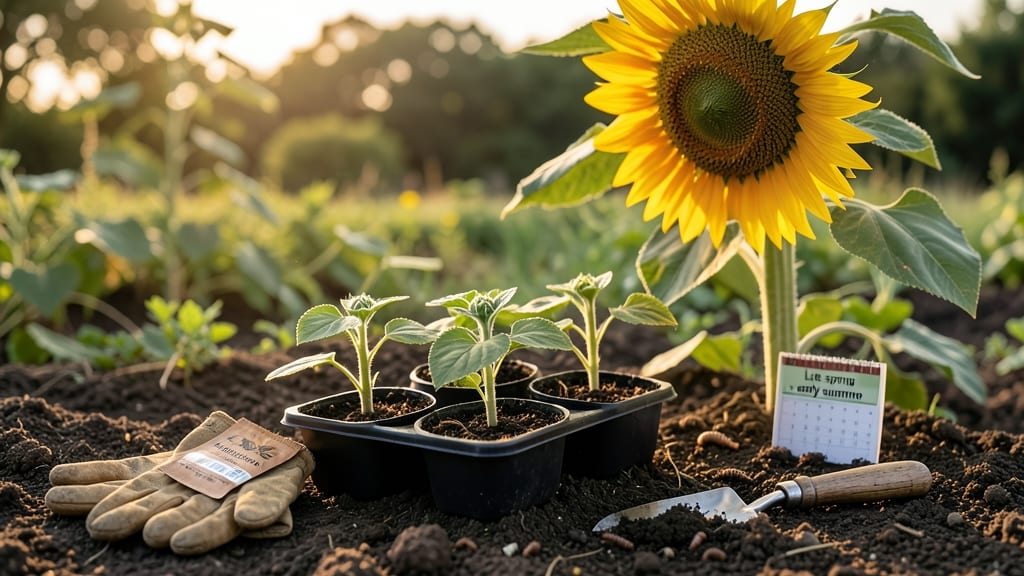
You plant sunflower seeds in Ohio between mid-April and late June, when soil temperatures hit 55°F and the last frost has passed.
Ohio’s unpredictable spring weather can turn sunflower planting into a guessing game—unless you know the exact frost-free dates and best varieties for your zone. Get it wrong, and your towering 🌻 might never bloom.
Most Ohio gardeners in USDA Zone 6a aim for early May, but cooler areas like the Appalachian foothills can wait until late April. The key is soil warmth: seeds won’t sprout below 50°F, and slow starts invite pests.
Below, I’ll break down the best planting windows by zone, soil prep tricks to speed germination, and how to stretch your season with cold frames—so you’re harvesting giant sunflowers by late July.
Ohio sunflower planting deadlines by USDA zone (frost dates & soil temps)
Ohio’s sunflower planting success hinges on knowing your USDA zone and last frost dates. Most of Ohio falls in zones 5b and 6a, where frost-free averages range from April 15–May 1.
Planting too early risks frost damage, while waiting too long cuts your harvest window short. The key? Start seeds when soil hits 55°F+ and 2–3 weeks before your zone’s last frost.
For zone 5b (northern Ohio), aim for mid-April to early May—historical data shows a 90% chance of frost by May 15. In zone 6a (central/southern Ohio), you’ve got until late April to early June, with frost-free odds rising after May 1.
Always check local weather forecasts—Ohio’s unpredictable spring can shift deadlines by weeks.
Soil temperature matters more than air temperature. Sunflower seeds need 55°F+ soil to sprout reliably. Use a soil thermometer to confirm—cold soil delays germination by 3–5 days per degree below 55°F. In zone 5b, this often means waiting until late April, while zone 6a gardeners can start as early as mid-April if soil warms early.
Last-minute adjustments save sunflowers from frost. If a late frost threatens after planting, cover seedlings with row covers or frost cloth. For early springs, start seeds indoors 2–3 weeks before your zone’s last frost—sunflowers germinate in 7–14 days at 70°F. Transplant outdoor-hardened seedlings once soil warms.
Here’s your Ohio sunflower planting timeline by zone, including 2024 historical frost data and soil temp targets:
| USDA Zone | Last Frost (Avg.) | Ideal Planting Window | Soil Temp (Min.) | 2024 Late Frost Risk |
|---|---|---|---|---|
| 5b (Northern OH) | April 15–May 1 | Mid-April to early May | 55°F+ | High (May 15) |
| 6a (Central/Southern OH) | April 1–April 15 | Late March–early June | 55°F+ | Moderate (May 1) |
| All Zones (Succession) | N/A | Every 2 weeks until June 15 | 55°F+ | Low (after June 1) |
For succession planting, sow new seeds every 2 weeks until June 15 to stretch your harvest season into October. This works best in zone 6a, where first frost averages October 15. In zone 5b, focus on May–June plantings to avoid autumn freezes.
Ohio’s 2024 frost data shows zone 5b had a 3-week delay in spring warmth, pushing ideal planting to late April–early May. Meanwhile, zone 6a saw 2 weeks earlier soil warming, allowing March–April starts for early varieties.
Always monitor NOAA frost forecasts—Ohio’s microclimates can vary by 10°F+ just miles apart.
Pro tip: Test your soil before planting. Sunflowers thrive in pH 6.0–7.5 and well-draining soil. Amend heavy clay with compost or sand to prevent root rot. In zone 5b, add mulch to warm soil faster—black plastic mulch can raise temps by 5–10°F.
If you miss the spring window, don’t despair! Sunflowers are heat-loving annuals that tolerate light frost as seedlings. In zone 6a, you can plant late June–July for autumn blooms, though expect smaller flowers. Just ensure 8+ hours of sun and consistent watering—drought stress stunts growth.
Remember: Sunflowers grow fast—from seed to 10-foot giant in just 80–120 days. Time your planting right, and you’ll enjoy bright blooms and edible seeds all summer long. 🌻
Best sunflower varieties for Ohio’s short vs. long seasons (giant vs. dwarf)
Ohio’s short vs. long growing seasons demand sunflower varieties that thrive in 60–120 days. Giant varieties like Moulin Rouge need Ohio’s longer summers (Zone 6a), while dwarf types like Teddy Bear handle cooler, shorter seasons. Pests like sunflower moths also influence your choice—some varieties resist better than others.
For space constraints, dwarf varieties are game-changers. They mature in 60–70 days and reach just 2–4 feet, perfect for containers or small gardens.
Meanwhile, giant varieties like Russian Giant can tower 10–14 feet, but require 120+ days to reach full height—ideal for Ohio’s longer summers in southern zones.
Below, I’ve ranked the top 5 sunflower varieties for Ohio, balancing maturity time, drought tolerance, and pest resistance. The comparison table helps you pick based on your garden size and season length.
| Variety | Height | Days to Mature | Drought Tolerance | Pest Resistance | Best For |
|---|---|---|---|---|---|
| Moulin Rouge | 10–12 ft | 100–120 days | Moderate | Low (watch moths) | Large gardens, long seasons |
| Russian Giant | 12–14 ft | 110–120 days | Low | Low | Southern Ohio, tall trellises |
| Teddy Bear | 2–4 ft | 60–70 days | High | High (moth-resistant) | Containers, short seasons |
| Autumn Beauty | 5–6 ft | 80–90 days | Moderate | Moderate | Pollinators, medium gardens |
| Mammoth | 8–12 ft | 90–100 days | Low | Low | Long seasons, cut flowers |
If you’re in northern Ohio (Zone 5b), prioritize early-maturing varieties like Teddy Bear or Autumn Beauty. They avoid early autumn frosts and still produce vibrant blooms. For southern Ohio (Zone 6a), giant varieties like Moulin Rouge shine, giving you towering stems for cut arrangements.
Pro tip: Succession plant dwarf varieties every 2–3 weeks in May for a continuous harvest until frost. This works especially well in small gardens where space is limited but you want long-lasting blooms.
For pest control, interplant sunflowers with marigolds or basil. These companions deter sunflower moths and aphids, common in Ohio’s humid summers. Choose moth-resistant varieties like Teddy Bear if pests are a recurring issue.