
Plants
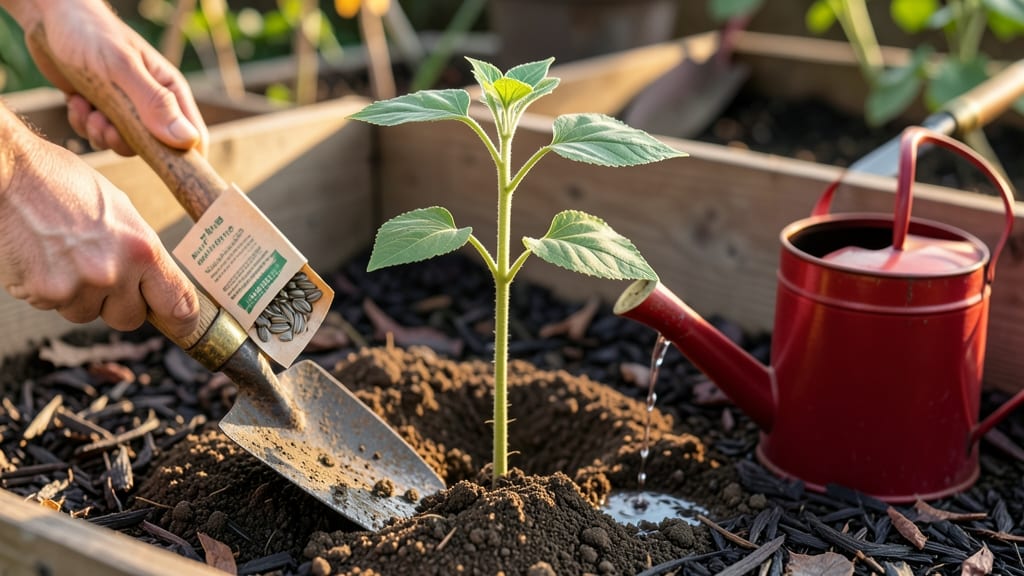
Planting sunflower seeds in Florida at the right time means the difference between 10-foot giants and sad, stunted plants.
Sunflowers thrive in Florida’s warm climate—but planting them at the wrong time can leave you with stunted stalks or no blooms at all. Timing is everything for maximizing height, yield, and vibrant flowers, and Florida’s unique frost-free window offers a narrow (but perfect) opportunity.
If you’ve ever watched a sunflower 🌻 struggle in the heat or bolt too early, you know how critical the calendar is. The best months to plant in Florida are February–April for spring blooms and August–September for fall harvests, avoiding the brutal summer sun or the rare late-winter chill.
Below, I’ll break down the exact frost-free timeline for your zone, the sunflower varieties that perform best here, and how to prep your soil for taller stalks and bigger blooms.
Optimal sunflower planting months in Florida: frost-free timeline for maximum growth
Florida’s frost-free climate means you can grow sunflowers year-round, but timing still matters for maximum height and vibrant blooms. Unlike northern states, you don’t have to wait for spring—just align your planting with temperature extremes and humidity levels.
The best windows are February–April (spring) and August–September (fall), when conditions are ideal for germination and growth.
Sunflowers in Florida can reach 10+ feet tall, but only if planted during these optimal windows. Spring planting gives them time to mature before summer’s intense heat, while fall planting avoids the worst humidity spikes. Both strategies ensure your sunflowers grow strong and tall without stress.
Florida’s climate varies by region—Northern Florida (Zones 8a–9a) has slightly cooler winters, while Central (Zones 9b–10a) and Southern Florida (Zones 10b–11) stay warm year-round. This means Northern growers can plant slightly earlier in spring, while Southern gardeners can extend fall planting into October.
Here’s a quick breakdown of Florida’s frost-free zones and the best planting months for each:
| Region | USDA Zone | Best Planting Months | Key Considerations |
|---|---|---|---|
| Northern Florida | 8a–9a | February–March (spring) or August–September (fall) | Cooler winters; plant early spring to avoid summer heat stress. |
| Central Florida | 9b–10a | March–April (spring) or September (fall) | Moderate humidity; avoid peak summer heat (May–July). |
| Southern Florida | 10b–11 | April (spring) or August–October (fall) | Warm year-round; extend fall planting into October for winter blooms. |
For tallest stalks (10+ feet), focus on spring planting in February–March. This gives sunflowers enough time to grow before summer’s intense heat slows them down. Varieties like ‘Russian Giant’ or ‘Mammoth’ thrive in these conditions and can reach 12–16 feet with proper care.
If you prefer summer planting (August–September), choose heat-tolerant varieties like ‘Autumn Beauty’ or ‘Teddy Bear.’ These handle Florida’s humidity better and still produce vibrant blooms before winter. Just be sure to water deeply and mulch to retain moisture during dry spells.
One common mistake is planting sunflowers in May or June when temperatures exceed 90°F (32°C). This causes heat stress, stunted growth, or even death. Instead, opt for late summer planting (August) to avoid the worst of the summer heat while still benefiting from long daylight hours.
To maximize growth, pair your planting timeline with soil prep and spacing. Sunflowers need well-draining soil with a pH of 6.0–6.8 and 12–24 inches of space between plants. In Florida’s humidity, proper airflow prevents fungal diseases like powdery mildew, which can ruin your sunflowers before they bloom.
Pro tip: Start seeds indoors 2–3 weeks before your target planting date if you’re in Northern Florida. This gives seedlings a head start before transplanting outdoors. For Southern Florida, direct sowing works well year-round, but spring and fall are still best for optimal growth.
With the right timing and care, your sunflowers will thrive in Florida’s climate, reaching towering heights and brightening your garden with vibrant yellow blooms. 🌻
Sunflower varieties for Florida’s climate: fast-growing vs. tall-stalked choices
Florida’s warm climate lets you grow sunflowers year-round, but not all varieties thrive equally. Fast-growing types like ‘Moulin Rouge’ bloom in 60 days and work well in containers, while tall-stalked giants like ‘Russian Giant’ need open ground to reach 12+ feet.
Heat and humidity demand careful selection—dwarf varieties like ‘Teddy Bear’ tolerate crowding, while standard types need 18+ inches of spacing to avoid disease.
Your harvest goals matter too: ‘Autumn Beauty’ produces edible seeds in 80 days, perfect for bird feeders or roasting, while ‘ProCut’ delivers long-stemmed blooms ideal for bouquets. Florida’s USDA Zones 9a–11 mean no frost worries, but August–September planting avoids peak summer heat stress for tall varieties.
Comparison table below helps you match varieties to your space and goals—whether you want quick blooms, towering stalks, or container-friendly options.
| Variety | Height | Germination Time | Best For | Space Needs |
|---|---|---|---|---|
| Moulin Rouge | 3–4 ft | 50–60 days | Early blooms, containers | 12–18 in apart |
| Russian Giant | 12–16 ft | 70–90 days | Tallest stalks, seed harvest | 24–36 in apart |
| Teddy Bear | 2–3 ft | 55–65 days | Cut flowers, kids’ gardens | 12 in apart |
| ProCut | 5–6 ft | 65–75 days | Bouquets, long stems | 18–24 in apart |
| Autumn Beauty | 5–6 ft | 80–90 days | Seed harvest, wildlife | 20–24 in apart |
For containers or small spaces, prioritize dwarf or semi-dwarf varieties like ‘Moulin Rouge’ or ‘Teddy Bear’. These thrive in 5-gallon pots with well-draining soil and daily morning watering to prevent root rot in Florida’s humidity.
Tall varieties like ‘Russian Giant’ need deep soil (18+ inches) and stakes to support their weight—especially in summer’s heavy rains.
If your goal is seed harvest, plant ‘Autumn Beauty’ or ‘Russian Giant’ in August for fall blooms. For cut flowers, ‘ProCut’ delivers long-lasting stems when harvested at half-bloom. Always rotate plants annually to prevent soil-borne diseases like powdery mildew, common in Florida’s sticky summer air.
Pro tip: Mix marigolds nearby to deter pests like sunflower moths, which can devastate seed heads. With the right variety and care, your Florida sunflowers will reach their full potential—whether you’re chasing height records or early blooms.