
Flowers
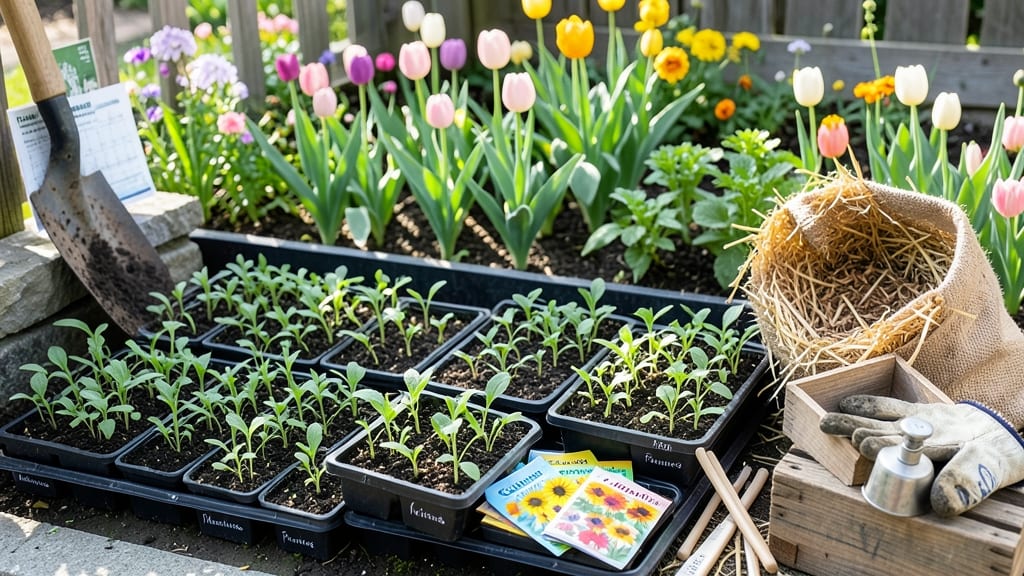
You can plant flowers in Michigan once the last frost has passed—typically between mid-April and early June, depending on your region.
Michigan’s unpredictable spring weather can turn your flower planting plans into a guessing game—but timing your garden right means vibrant blooms all season long. Knowing the last frost dates for your region is the key to avoiding frost damage and maximizing your flowers' potential.
Whether you're in the Upper Peninsula or down in the Thumb, the right timing ensures your annuals, perennials, and cold-hardy varieties thrive. Early spring brings hardy flowers like pansies and snapdragons, while late spring opens the door to heat-loving annuals like marigolds and zinnias.
Below, I’ll break down the best planting windows by region, share expert tips for Michigan’s unpredictable weather, and help you choose the perfect flowers for each season.
Michigan last frost dates by region: when to plant flowers safely
Michigan’s diverse geography means last frost dates can vary by hundreds of miles, making it critical to know your exact region. The Upper Peninsula often sees frosts weeks after Southern Michigan, while the Thumb Region enjoys earlier warm-ups.
These differences directly impact when you can safely plant frost-sensitive annual flowers like petunias or cold-hardy perennials like coneflowers.
For accurate planning, I rely on Michigan State University Extension data, which tracks average last frost dates based on 30-year climate records.
While these dates are guidelines, I always recommend checking weekly forecasts in spring—late frosts can still occur as late as May 15 in the UP or May 1 in Southern Michigan. The key is balancing these averages with your garden’s microclimate (e.g., urban areas warm faster than rural spots).
| Region | Average Last Frost Date | Safe Planting Window | Cold-Hardy Flowers | Frost-Sensitive Flowers |
|---|---|---|---|---|
| Upper Peninsula (Marquette, Houghton) | May 25–June 1 | June 10–15 | Pansies, Snapdragons, Calendulas | Marigolds, Petunias, Zinnias |
| Northern Lower Peninsula (Traverse City, Grand Rapids) | May 10–15 | May 25–June 1 | Violas, Sweet Alyssum, Stock | Geraniums, Impatiens, Coleus |
| Southern Lower Peninsula (Lansing, Detroit) | April 25–May 5 | May 15–20 | Primroses, Lungwort, Bleeding Heart | Begonias, Lobelia, Vinca |
| Thumb Region (Bad Axe, Port Huron) | April 15–20 | May 1–5 | Dianthus, Sweet William, Columbine | Portulaca, Lantana, Celosia |
In the Upper Peninsula, where frosts linger into early June, I start cold-hardy annuals like pansies in early May under row covers. These can handle light frosts down to 25°F, giving you a jumpstart on color.
Meanwhile, in the Thumb Region, I plant marigolds and zinnias as soon as the soil warms (around 55°F) because their heat tolerance makes them ideal for Michigan’s hot summers.
For perennials, timing matters less—but early planting still helps. I divide coneflowers and black-eyed Susans in early spring (March–April) in Southern Michigan to establish roots before summer heat. In the Northern Lower Peninsula, I wait until mid-May to avoid soil compaction from early spring rains.
Always amend your soil with compost before planting to improve drainage and warmth.
Pro tip: Use frost cloth or black plastic mulch to warm soil faster in cold regions. I’ve seen 5–7°F warmer soil temperatures under black plastic, which can shave 1–2 weeks off your planting window.
Pair this with hardening off seedlings (acclimating them to outdoor temps over 7–10 days) to ensure they survive Michigan’s unpredictable late frosts.
If you’re in Zone 5 (UP) or Zone 6 (Lower Peninsula), consider fall planting for biennials like foxgloves or hollyhocks. These thrive when sown in late summer (August–September), allowing roots to establish before winter.
Just remember: first frost dates (typically October 15–November 1) signal the end of outdoor planting for most tender varieties.
For real-time updates, I check the Midwestern Regional Climate Center and local Cooperative Extension offices. Their frost alerts help me adjust planting dates when Arctic air masses dip temperatures unexpectedly. Whether you’re in Mar
Best flowers to plant early vs. late in Michigan’s seasons
Michigan’s variable frost dates mean your flower planting strategy should shift with the seasons. Early spring offers cooler temperatures perfect for cold-hardy annuals, while late spring and summer welcome heat-loving blooms that thrive in warmer conditions.
The key is matching your flower varieties to Michigan’s USDA Zones 4-6 and regional microclimates.
For early planting (March-April), focus on flowers that tolerate light frosts and cooler soil. These resilient varieties establish roots quickly and often bloom earlier in the season. In contrast, late-season plantings (May-June) should prioritize flowers that handle heat and humidity, ensuring continuous color through summer and fall.
Cold-tolerant flowers like pansies and snapdragons can handle light frosts down to 20°F, making them ideal for early spring. Meanwhile, marigolds and zinnias prefer warmer soil and won’t thrive until after the last frost. Understanding these differences helps you avoid wasted effort and money on frost-sensitive plants.
Here’s how to balance your early vs. late planting for maximum impact in Michigan gardens:
Early Planting (March-April) - Cold-Hardy Flowers
Pros
- Early blooms extend season
- Tolerate light frost (20-25°F)
- Establish roots before heat
Cons
- Limited variety available
- Slower growth in cool soil
- May need protection from late frosts
Best Early Flowers
- Pansies (20°F tolerance)
- Snapdragons (15°F tolerance)
- Calendulas (10°F tolerance)
- Sweet Alyssum (25°F tolerance)
Late Planting (May-June) - Heat-Loving Flowers
Pros
- Vibrant summer blooms
- Drought-tolerant options available
- Longer bloom season with care
Cons
- Need consistent watering
- Some varieties attract pests
- May struggle in extreme heat
- Marigolds (heat & pest resistant)
- Zinnias (long bloom season)
- Petunias (continuous flowering)
- Sunflowers (fast-growing)
Don’t overlook perennial flowers like coneflowers and black-eyed Susans, which establish roots in early spring and reward you with years of low-maintenance blooms. These Michigan-friendly perennials thrive in both early and late plantings, making them a smart investment for any garden.
For container gardens, start cold-hardy flowers indoors 4-6 weeks before your last frost date. This gives you a head start on the season and allows you to enjoy earlier blooms while protecting tender varieties from late frosts. Just be sure to harden off seedlings gradually before transplanting outdoors.
By strategically planting cold-tolerant flowers early and heat-loving varieties later, you’ll create a continuous bloom schedule that keeps your Michigan garden vibrant from spring through fall. Always check your local last frost date and monitor weather forecasts to adjust your planting timeline as needed.