
Blooming
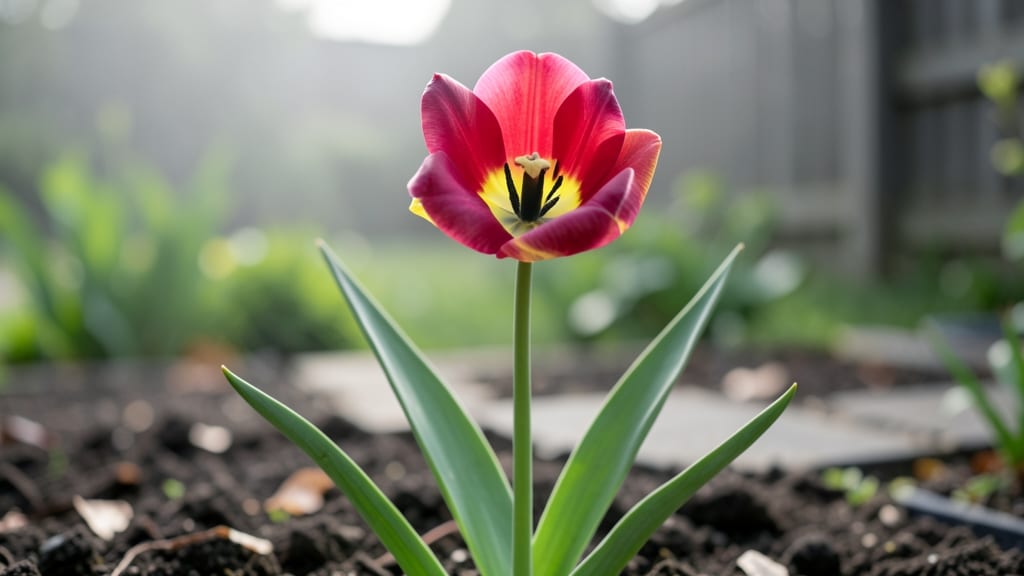
If you’ve ever dreamed of waking up to a garden bursting with vibrant tulips, timing is everything. Planting too early or late means missing their breathtaking bloom.
But here’s the secret: tulip varieties bloom at specific times, and knowing the exact months for each will ensure your garden becomes a springtime masterpiece.
From early bloomers that appear in March to late-season varieties that last into May, the right choices can stretch your tulip season by weeks.
Whether you’re in USDA Zone 6a or a warmer region, this guide breaks down the ideal bloom windows for popular types—plus how to force early blooms indoors for a head start.
Discover how to extend your tulip season, avoid common mistakes that shorten blooms, and pick the perfect varieties for your climate. Your garden’s spring highlight is just a few months away!
Exact tulip blooming months by variety (early to late season)
Tulips are nature’s springtime showstoppers, but not all varieties bloom at once. The earliest tulips push through snow in March, while the latest bloomers grace gardens in late May. Understanding these blooming windows lets you create a continuous color parade from winter’s end to summer’s start.
Here’s the exact timeline for 12 key varieties, including heirlooms and modern hybrids, plus how USDA zones 3-9 shift their schedules.
Your location matters—tulips in USDA zone 3 (like Minnesota) may bloom 2-3 weeks earlier than those in zone 9 (like Southern California). For example, ‘Early Harbingers’ often open in late March in zone 3 but wait until mid-April in zone 7.
Meanwhile, ‘White Dream’ tulips—beloved for their double-layered petals—typically bloom in mid-April in cooler zones but stretch to early May in warmer areas. Plan your garden layout around these regional adjustments to avoid gaps in bloom time.
Pro tip: Layer bulbs by depth—plant early bloomers 6 inches deep and late bloomers 8 inches deep—to stagger their emergence. This trick works especially well in containers or raised beds, where you can control soil conditions more precisely. For extended seasonal color, pair March bloomers with late May varieties like ‘Black Parrot’, a dramatic dark purple-black tulip that thrives in full sun and blooms when many other flowers have faded.
| Variety | Bloom Time (USDA Zone 3) | Bloom Time (USDA Zone 7) | Bloom Time (USDA Zone 9) | Height (inches) | Color & Notes |
|---|---|---|---|---|---|
| Early Harbingers | Late March | Mid-April | Early May | 12-16 | Yellow; daffodil-like, early bloomer |
| Queen of Night | Early April | Mid-April | Late April | 20-24 | Deep purple-black; heirloom, dramatic |
| White Dream | Mid-April | Late April | Early May | 18-22 | Pure white; double-layered, fragrant |
| Red Emperor | Late April | Early May | Mid-May | 24-28 | Crimson; tallest, bold |
| Black Parrot | Early May | Mid-May | Late May | 18-22 | Purple-black; ruffled edges, late bloomer |
| Pink Impression | Mid-April | Late April | Early May |
How to extend your tulip blooming season with smart plantingTulips are famous for their short, concentrated bloom time, but with the right strategies, you can stretch that vibrant display from early spring to late summer. The key lies in layered planting and strategic variety selection—techniques that professional gardeners use to create continuous color in their landscapes. Whether you're working with a small container garden or a sprawling backyard, these methods will transform your tulip season from a fleeting highlight into a long-lasting spectacle. One of the most effective ways to extend blooming is by planting bulbs at different depths. Shallow-planted bulbs often bloom earlier, while deeper ones take longer to push through the soil. This simple adjustment can create a staggered bloom schedule of up to 4-6 weeks. Pair this with multi-season varieties, and you’ll have tulips popping up from March through June. The best part? These techniques require minimal extra effort once you’ve planned your layout carefully. 🌱 3 Smart Techniques to Extend Tulip Blooms
Forcing tulips indoors is another game-changing strategy that lets you enjoy blooms outside their natural season. Start by planting bulbs in well-draining pots in late summer or early fall, then place them in a cool, dark location (like a basement or garage) where temperatures stay between 40-50°F. After about 10-12 weeks, move the pots to a sunny windowsill or under grow lights. With this method, you can have Christmas or Valentine’s Day tulips—perfect for adding a touch of spring indoors during the coldest months. When deciding between fall and spring planting, consider your local climate and goals. Fall planting (ideal in zones 3-8) gives bulbs time to establish roots before winter, leading to stronger, more reliable blooms the following spring. However, spring planting can work in warmer zones (9-10) or for late-season varieties that need extra time to mature. The risk-reward here is clear: fall planting offers better reliability, while spring planting gives you more control over bloom timing for specific events. Don’t overlook the power of soil preparation to extend blooming. Tulips thrive in well-draining, nutrient-rich soil with a pH between 6.0-7.0. Amend heavy clay soils with compost or sand to prevent rot, and add a slow-release bulb fertilizer at planting time. Mulch with 2-3 inches of organic matter (like straw or shredded leaves) to insulate bulbs in winter and retain moisture in summer. These small steps can boost bulb health, leading to longer stems and bigger blooms. To maximize your results, combine these techniques with succession planting. For example, plant a small batch of bulbs every 2-3 weeks in fall to create a rolling bloom effect. This method works especially well in containers, where you can easily rotate pots to highlight different varieties. With a little planning, your tulip season can stretch from early March to late June, giving you months of color instead of just a few weeks. |