
Flowers
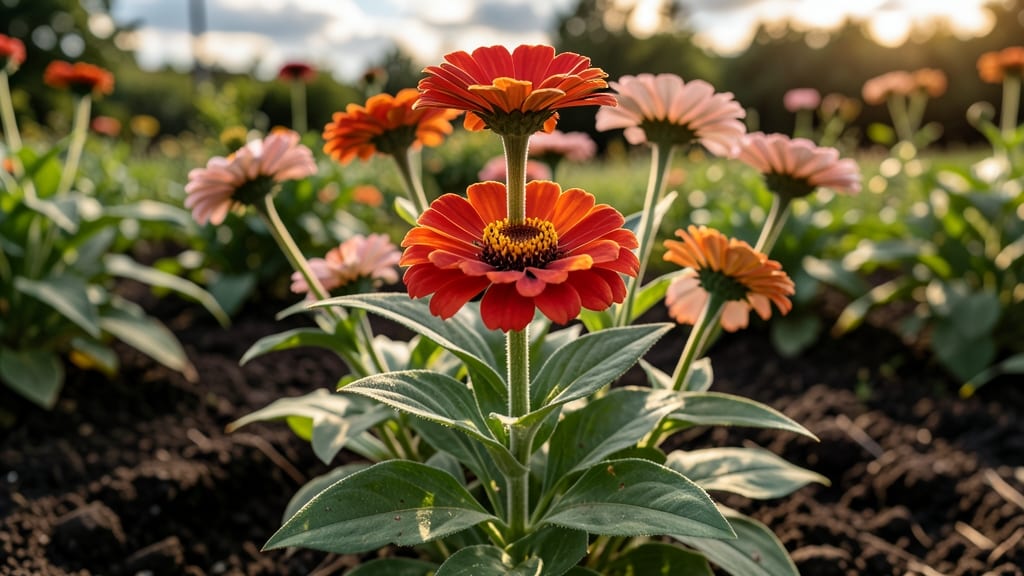
Zinnia flowers bloom from late summer through fall 🌼, with the timing depending on when you plant and your local climate—but getting it right means vibrant blooms for months, not weeks.
If you’ve ever wondered why your zinnias seem to disappear after summer’s peak heat, timing is everything. These vibrant blooms thrive on precision planting for maximum impact, and missing the window can leave you with a garden that fades faster than you’d like.
For most gardeners in USDA Zone 6a (like me!), zinnias planted in April or May will burst into color by July and keep going strong through October. But in warmer zones, the show starts earlier, and in cooler areas, it might not even begin until August.
Below, I’ll break down the exact bloom windows by variety, how to adjust for your climate, and the 3 simple tricks I use to extend their season—so you can enjoy these cheerful faces well into fall.
Zinnia bloom timing by variety: fast vs. slow bloomers explained
Zinnias are the superstars of summer gardens, but their bloom timing varies wildly depending on the variety. Some burst into color in just 6 weeks, while others take 10+ weeks to reach their peak.
Understanding these differences lets you plan for a continuous color show from early summer through frost. Let’s break down the fastest and slowest bloomers—and how to maximize their potential.
First, the key factor is days to maturity, which measures how long it takes from seed to first bloom. But don’t overlook height and color intensity, which also influence timing.
Tall varieties like Benary’s Giant often bloom slightly later than their dwarf cousins, while deep reds and purples tend to mature faster than soft pinks or whites. Let’s dive into the specifics.
🌱
| Variety | Days to Bloom | Bloom Season | Height | Cold Hardy? |
|---|---|---|---|---|
| Profusion Series | 45-50 days | June-October | 1-2 ft | ❄️ Yes |
| Thumbelina Series | 50-55 days | July-September | 6-12 in | ❄️ Yes |
| Benary’s Giant | 60-70 days | July-October | 3-4 ft | ❄️ Moderate |
| Crystal Series | 55-60 days | June-September | 1-3 ft | ❄️ Yes |
| Zahara Series | 65-75 days | August-October | 2-3 ft | ❄️ No |
The Profusion Series is my go-to for fast blooms—these compact zinnias start flowering in just 45 days and keep going until frost. Their heat tolerance makes them ideal for southern gardens, while their dwarf stature (1-2 ft) works perfectly in containers or borders.
For a longer bloom window, pair them with Thumbelina Series, which matures slightly later but thrives in cooler weather.
If you’re dreaming of showstopping height, Benary’s Giant delivers drama—but with a tradeoff. These tall zinnias take 60-70 days to bloom, meaning you’ll miss out on early summer color.
However, their bold blooms (up to 4 inches wide) make them worth the wait. Stake them early to prevent flopping in wind or rain.
For late-season color, the Zahara Series is a game-changer. These heat-loving zinnias bloom best in fall temperatures and continue producing until frost. Their drought tolerance is another plus, making them perfect for low-maintenance gardens. Just avoid planting them too early—they need warm soil to germinate.
Color plays a subtle but important role in bloom timing. Deep reds and purples (like ‘Double Click Red’) often mature faster than soft pastels (like ‘Crystal White’).
This is because darker petals absorb more sunlight, speeding up photosynthesis. If you want early color, prioritize dark-hued varieties in your planting plan.
To extend your zinnia season, use succession planting. Start with fast bloomers like Profusion in early spring, then follow with Benary’s Giant 4-6 weeks later. This staggered approach ensures continuous blooms from June through October.
In cooler climates, opt for cold-hardy varieties like Crystal Series to push blooms into early fall.
One common mistake? Overcrowding seeds. Zinnias need 6-12 inches of space to thrive, and packed plants lead to leggy stems and delayed blooming. Thin seedlings to the recommended spacing as soon as they develop true leaves. This small step can shave 1-2 weeks off your bloom timeline.
🌻
Climate Zone guide: adjusting planting for northern vs. southern gardens
Your USDA climate zone completely changes when zinnias bloom—because frost dates and summer heat dictate their timeline. In Zone 5, for example, zinnias planted in May won’t open until late June, while in Zone 9, they might start blooming as early as September.
Understanding these shifts helps you plan for year-round color instead of a fleeting summer show.
Zinnias are frost-sensitive but surprisingly heat-tolerant, making them ideal for both northern and southern gardens—if you time it right. In cooler zones, focus on early spring planting to beat frost, while in warmer zones, fall planting extends blooms into winter.
Let’s break down the exact bloom windows by zone so you can sync your garden’s calendar with nature’s.
🌱 Key Insight: Zinnias bloom 60-75 days after sowing, but regional temperatures can shift this by 30+ days. For instance, a Zone 3 garden might see blooms in July-August, while a Zone 11 garden could enjoy them year-round with proper care.
In northern zones (3-6), zinnias thrive on cool spring starts and late-summer heat, while southern zones (7-11) benefit from fall planting to avoid midday heat stress.
For example, in Zone 8, I’ve seen zinnias bloom from May through December by planting two batches: one in March and another in August.
Pro tip: Use heat-tolerant varieties like ‘Benary’s Giant’ in southern zones, while ‘Thumbelina’ (dwarf types) work better in containers for cooler climates. Pair zinnias with cosmos or sunflowers to create a sequential bloom effect—cosmos take over when zinnias fade in fall.
Remember, zinnias stop blooming when nights dip below 50°F, so in Zone 4, I always bring potted zinnias indoors before frost. With these zone-specific tricks, you’ll enjoy zinnias from spring to frost—no matter where you garden! 🌻