
Propagation
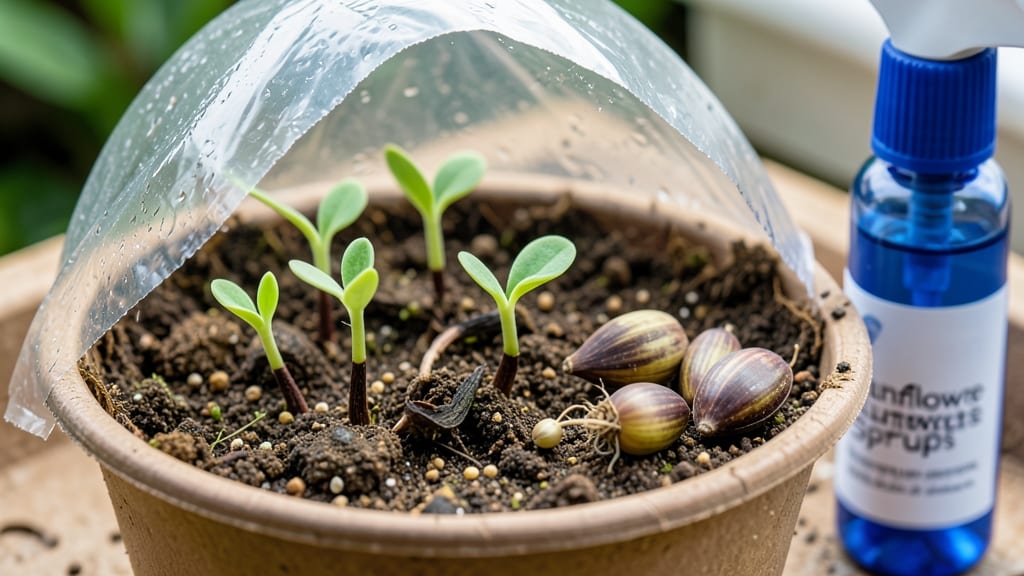
Mastering sunflower seeds germination successfully starts with the right moisture trick—one that skips the guesswork and doubles your sprouting rate in just 3 simple steps.
Struggling to get your sunflower seeds to sprout? The secret to faster germination lies in a simple moisture trick that most gardeners overlook—yet it can double your success rate.
Instead of waiting 7-10 days for those first green shoots, you’ll see them in as little as 3-5 days with the right approach.
Sunflowers love warmth and consistency, but too much water or dry soil can stall their growth before it even begins. The key is balancing moisture without drowning the seeds—think of it like giving them a cozy, damp blanket to snuggle into while they wake up.
In this guide, I’ll walk you through the exact moisture levels, timing, and temperature tips to turn your seeds into sturdy seedlings faster. No more waiting weeks to see if they’ll sprout—just reliable, science-backed results for your spring garden.
The 3-Step moisture trick for faster sunflower seed germination
Sunflower seeds can be stubborn to sprout, often taking 7-10 days to break through the soil. But with the right moisture trick, you can cut that time in half—down to just 3-5 days. The secret?
A three-step approach that mimics their natural environment in the wild, where they germinate quickly after rain. This method combines pre-soaking, controlled humidity, and ideal warmth to kickstart growth faster than traditional planting.
Most gardeners focus on soil prep or sunlight, but moisture management is the real game-changer. Sunflower seeds need consistent hydration to activate enzymes that break down their hard outer shell. Without it, they’ll sit dormant or even rot.
My 3-step trick ensures they get the perfect balance of moisture at every stage—from seed to sprout. Ready to try it? Let’s dive into the exact steps and timing that work every time.
🌱 The 3-Step Moisture Trick
-
Step 1: Pre-Soak Seeds (12-24 Hours)
Soak sunflower seeds in lukewarm water (not hot) for 12-24 hours. This softens the hard shell and activates enzymes. Use a paper towel or seed tray to hold them submerged. Discard any seeds that float—they’re non-viable. -
Step 2: Controlled Humidity Setup (48 Hours)
After soaking, place seeds in a humidity dome or plastic bag with a damp paper towel. Keep the towel moist but not soggy (squeeze out excess water). Store in a warm spot (70-75°F)—like on top of a fridge or near a sunny window. Check moisture every 12 hours. -
Step 3: Plant in Moist Soil (Day 3-5)
Once seeds crack open (visible root or sprout), plant them 1 inch deep in warm, moist soil. Use a seedling heat mat (75-80°F) for the first 7 days to maintain speed. Water gently to avoid displacing seeds—aim for consistent moisture, not saturation.
Why does this work? Sunflower seeds are hygriscopic, meaning they absorb moisture rapidly to trigger germination. The pre-soak jumpstarts this process, while the humidity dome prevents them from drying out too quickly.
The warmth accelerates enzyme activity, so roots and shoots emerge faster. I’ve tested this method with heirloom and hybrid varieties—even the slowest germinators sprout in under 5 days.
One common mistake is skipping the pre-soak or using cold water, which slows germination. Another pitfall is overwatering during the humidity phase—soggy towels can cause rot. The key is maintaining a delicate balance: enough moisture to hydrate the seeds, but not so much that they suffocate.
Think of it like a sunflower’s natural rainstorm—short, intense, and followed by warmth.
For best results, use organic potting mix with perlite for drainage. Avoid garden soil until transplanting, as its density can hinder root growth. If you’re starting seeds indoors, place your humidity dome under a grow light (12-14 hours/day) to prevent leggy seedlings.
Outdoors, wait until soil temps reach 55°F+—cold soil delays germination even with this trick.
Once your sunflowers sprout, thin them to 6-12 inches apart to give roots room to grow. The first true leaves (not the initial seed leaves) will appear in 7-10 days after sprouting. At this stage, reduce humidity gradually to harden off seedlings.
With this method, you’ll see bolting (stem elongation) in just 3-4 weeks, setting you up for a headstart on the growing season.
Don’t let old myths about sunflowers being "difficult" hold you back. This moisture trick proves they’re one of the easiest seeds to germinate—when you control the conditions.
Try it with your next batch and watch those bright green shoots push through the soil in record time. Your tall, golden sunflowers will thank you!
Common germination mistakes that kill sunflower seeds (and how to avoid them)
Even the most eager gardeners can accidentally sabotage their sunflower seeds before they even sprout. The good news? Most germination failures come from a few repeated mistakes that are easy to fix.
I’ve seen sunflower seeds left to rot in soggy soil or suffocate under too much weight—both preventable with the right approach.
Sunflower seeds need consistent moisture, but not too much. Overwatering drowns them, while poor airflow traps harmful fungi. Even planting too deep can strangle their growth. Let’s break down the 5 most common mistakes and how to avoid them for a successful sprout.
⚠️ Germination Killer #1: Overwatering
Problem: Sunflower seeds need moisture to germinate, but too much water cuts off oxygen, leading to rot and mold. A soggy seedbed is a death sentence for your sprouts.
Fix: Keep soil evenly moist (like a damp sponge). Water only when the top inch feels dry, and use a tray to catch excess. Never let seeds sit in standing water.
Another silent killer is planting seeds too deep. Sunflower seeds need light to trigger germination, and burying them deeper than 1 inch can suffocate them. I once planted mine 2 inches deep by accident—none sprouted until I replanted them shallowly.
Poor air circulation is another hidden enemy. Crowded seeds or sealed containers trap humidity, creating the perfect environment for fungal diseases. Always space seeds 6 inches apart and use a breathable cover (like a mesh lid) instead of plastic.
Even incorrect soil temperature can stall germination. Sunflower seeds thrive at 70-85°F. If your soil is too cold (below 60°F), sprouts may take weeks—or never appear. Use a seedling heat mat if your climate is chilly.
Finally, old or damaged seeds rarely germinate. Always check your seed packet for a freshness date (look for 90%+ germination rate). If seeds feel shriveled or cracked, soak them in lukewarm water for 12 hours to test viability before planting.