
Diseases
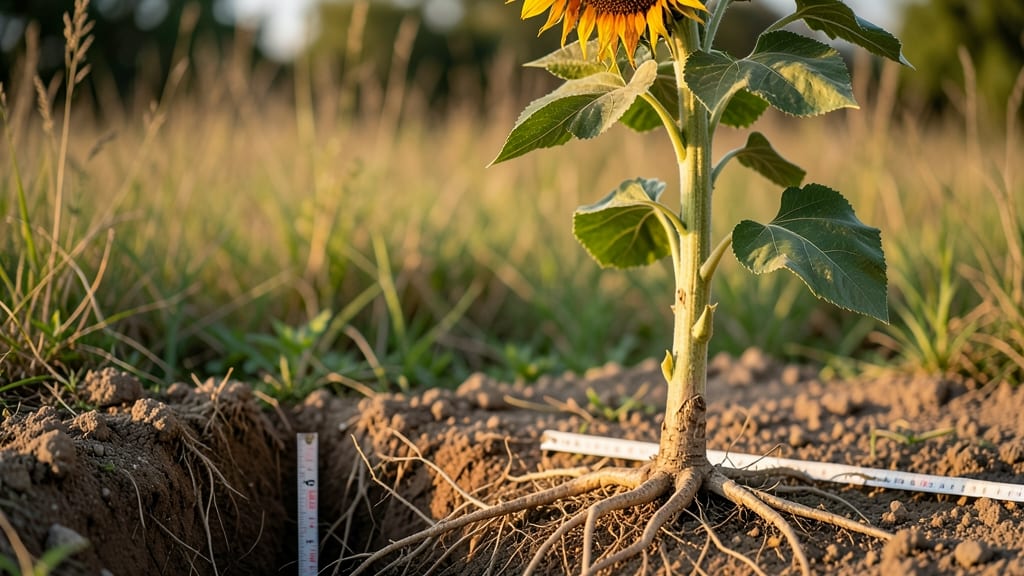
Sunflower roots grow deeper than most gardeners realize—the sunflower root depth often reaches 3 to 6 feet below the soil surface, depending on the variety and growing conditions.
Picture this: a towering 🌻 with roots stretching deeper than a basketball hoop is tall. That’s not just impressive—it’s the key to stability, drought resistance, and nutrient access. If you’ve ever wondered why some sunflowers topple in wind or struggle in poor soil, the answer lies right under your feet.
Root depth isn’t just about how far down they go—it’s about how they interact with the soil. Deeper roots anchor plants, prevent erosion, and tap into moisture and nutrients that shallow-rooted varieties miss.
In USDA Zone 6a, where spring planting kicks off after the last frost, getting this right can mean the difference between a thriving 🌻 and a floppy disappointment.
In this guide, you’ll learn how to plant for maximum root growth, what soil conditions work best, and how to monitor root health. Whether you’re growing 6-foot giants or compact dwarf varieties, these tips will help your sunflowers stand tall—literally.
Sunflower root depth explained: how deep do they grow?
Sunflowers may seem like simple, towering plants, but their root systems are just as impressive as their sunward-stretching stems. Most varieties develop a primary taproot that can plunge 3 to 6 feet into the soil, with secondary roots branching out to support nutrient absorption.
This deep-reaching structure isn't just for show—it directly impacts your plant's stability, water access, and even drought resilience.
The depth of a sunflower's roots varies dramatically depending on the variety you're growing. Giant sunflowers like 'Mammoth' or 'Russian Giant' often exceed 6 feet in root depth, while dwarf varieties like 'Teddy Bear' typically stay between 1 and 3 feet.
Even within the same species, root development depends on soil conditions, water availability, and planting depth.
Here's where science meets gardening: sunflower roots develop in distinct growth stages. In the first 2 weeks, the taproot establishes itself rapidly, reaching 12-18 inches deep. By 6 weeks, secondary roots begin branching out laterally, creating a network that can spread 3 feet wide.
This two-phase growth explains why proper planting depth—1 inch deep—is critical for strong early development.
🌱
| Sunflower Type | Root Depth Range | Taproot Length | Secondary Roots Spread | Key Growth Stage |
|---|---|---|---|---|
| Giant Varieties (e.g., 'Russian Giant') | 4-8 feet | 5-7 feet | 3-4 feet wide | 6-8 weeks |
| Standard Varieties (e.g., 'Autumn Beauty') | 3-5 feet | 3-5 feet | 2-3 feet wide | 5-7 weeks |
| Dwarf Varieties (e.g., 'Teddy Bear') | 1-3 feet | 1-2 feet | 1-2 feet wide | 4-6 weeks |
| All Varieties (Early Stage) | 12-18 inches | 12-18 inches | 6-12 inches | First 2 weeks |
The taproot of a sunflower is its powerhouse—it stores nutrients and anchors the plant against wind, which is especially important for tall varieties that can reach 10+ feet. However, the secondary roots play an equally vital role by increasing the plant's surface area for water and nutrient absorption.
In clay-heavy soils, these lateral roots help break up compacted layers, improving aeration and root penetration.
One common misconception is that deeper roots always mean better plants. While root depth is beneficial, overly compacted or rocky soil can stunt root growth. In these cases, sunflowers may develop shallow, fibrous roots instead, reducing their drought tolerance.
This is why soil preparation—like adding compost or using raised beds—can make a dramatic difference in root development.
For gardeners in drought-prone areas, understanding root depth offers a strategic advantage. Sunflowers with deeper roots can access moisture from lower soil layers, making them more resilient during dry spells.
In contrast, shallow-rooted dwarf varieties may need more frequent watering but are better suited for containers or small gardens where space is limited.
💧
If you're growing sunflowers for seed production, pay special attention to root health. The taproot must reach deep enough to support the plant's nutritional demands during flowering and seed development.
A well-developed root system ensures larger seed heads and higher seed yields. Conversely, stressed roots—from overcrowding or poor soil—can lead to stunted growth and fewer seeds.
To maximize root depth, start with loose, well-draining soil and avoid disturbing the roots during transplanting. If you're planting in urban gardens with limited soil depth, consider using deep containers (at least 18 inches deep) or amending the soil with organic matter to encourage downward growth.
Even a 2-foot-deep root system can make a significant difference in plant vigor.
🌻
Why sunflower root depth affects plant stability and soil health
Sunflowers aren’t just tall—they’re built to go deep. Their taproots can extend 3 to 6 feet into the soil, acting like nature’s anchor. This isn’t just impressive; it’s essential for their survival and the health of your garden.
When you understand how deep sunflower roots grow, you’ll see why they’re so resilient against wind, drought, and poor soil conditions. These roots don’t just support the plant—they transform the soil itself, improving aeration and preventing erosion.
Imagine planting sunflowers in a windy area. Without deep roots, they’d topple like grass in a storm. But thanks to their extensive root systems, they stand firm, even in challenging conditions. This stability isn’t just about looks—it’s about long-term plant health.
Shallow roots struggle to access water and nutrients during dry spells, but sunflowers thrive because their roots tap into deeper, moister layers of soil.
Why Sunflower Root Depth Matters
- 1. Wind Resistance: Deep roots act like stabilizers, preventing toppling in storms. A 6-foot taproot can anchor a 12-foot plant!
- 2. Drought Tolerance: Roots reach moisture-rich layers, allowing sunflowers to survive dry spells better than shallow-rooted plants.
- 3. Soil Aeration: As roots grow, they create air pockets in compacted soil, improving drainage and microbial activity.
- 4. Nutrient Access: Deeper roots tap into nutrient-rich subsoil, reducing the need for frequent fertilization.
- 5. Erosion Control: Dense root networks hold soil in place, preventing wind and water erosion during heavy rains.
- 6. Carbon Sequestration: Sunflower roots store carbon in the soil, boosting long-term garden sustainability.
Let’s talk about nutrient absorption. Shallow-rooted plants rely on surface nutrients, which deplete quickly. Sunflowers, however, access nutrients from deeper soil layers, making them more efficient. This means less fertilizer is needed over time, saving you money and reducing runoff pollution.
Plus, their roots break down organic matter as they grow, enriching the soil naturally.
For gardeners in drought-prone areas, sunflower root depth is a game-changer. While other plants wilt under dry conditions, sunflowers continue growing because their roots reach water sources that shallow-rooted plants can’t access. This makes them a low-maintenance choice for sustainable gardens, especially in regions with unreliable rainfall.
Don’t overlook the soil health benefits either. Sunflower roots loosen compacted soil, allowing water and air to penetrate more easily. This improves conditions for future plantings, whether you’re growing vegetables or flowers.
Over time, their root systems create a healthier ecosystem, supporting beneficial microbes and reducing the risk of soil-borne diseases.
If you’re planning a sunflower garden, consider soil preparation to encourage deeper root growth. Loose, well-draining soil with added compost gives roots the space they need to explore downward.
Avoid over-tilling, as this can damage young roots. Instead, focus on mulching to protect roots and retain moisture during the critical early growth stages.
Next time you admire a towering sunflower, remember: its strength starts below the soil. Those deep roots aren’t just supporting the plant—they’re improving your garden’s health for years to come. 🌱🌿