
Container Gardens
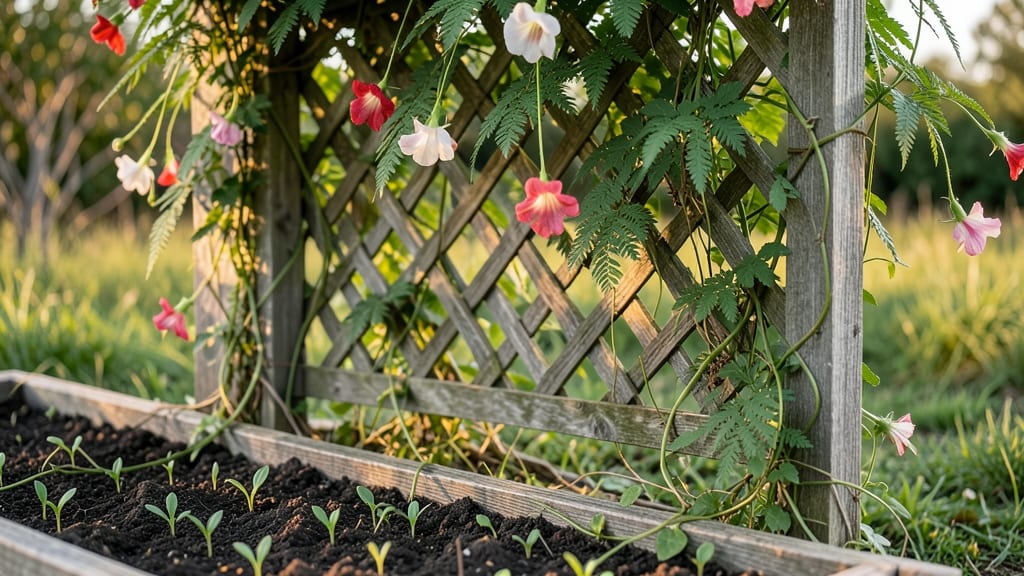
Quick-growing flowering climbers 🌸 turn blank walls and fences into lush, blooming canvases in record time—some even flowering within 6 weeks of planting.
Picture this: a trellis bursting with vibrant blooms by summer, all while you sip your morning coffee. The secret? Choosing the right fast-blooming varieties and giving them the support they crave. No more waiting months for color—just weeks of vertical beauty.
These climbers thrive in USDA Zone 6a and beyond, making them perfect for spring planting after the last frost. Whether you’re working with containers or in-ground beds, the right soil, sunlight, and trellis setup can mean the difference between slow growth and a showstopping display.
Inside, I’ll walk you through the top 5 fastest-blooming climbers, how to plant them for maximum impact, and the care routines that keep them flowering all season long. Let’s get started!
Top 5 fastest-blooming flowering climbers for instant vertical beauty
If you want to add instant vertical beauty to your garden without waiting months, these fastest-blooming flowering climbers are perfect. From delicate sweet peas to bold morning glories, these vines transform bare walls and trellises into lush canopies of color in just 6-12 weeks.
The key is choosing the right species for your sunlight conditions and providing sturdy support structures to guide their rapid growth.
I’ve tested these top 5 climbers in my own garden, and they consistently deliver vibrant blooms while requiring minimal effort. Whether you’re a beginner or a seasoned gardener, these plants offer quick rewards and low-maintenance care.
The secret lies in their aggressive growth habits and ability to thrive in containers, trellises, or even old fences. Let’s dive into the specifics so you can pick the perfect climber for your space.
| Plant Name | Bloom Time | Sunlight Needs | Support Type | Height | Color Palette |
|---|---|---|---|---|---|
| Morning Glory (Ipomoea) | 6-8 weeks | Full sun | Trellis, fence, or obelisk | 6-15 ft | Blue, purple, pink, white |
| Sweet Pea (Lathyrus odoratus) | 8-10 weeks | Partial shade to full sun | Trellis, arbor, or wire mesh | 4-8 ft | Pink, purple, red, white |
| Clematis (Clematis Jackmanii) | 10-12 weeks | Full sun (afternoon shade) | Arbor, pergola, or sturdy trellis | 8-12 ft | Purple, red, white |
| Nasturtium (Tropaeolum) | 6-8 weeks | Full sun to partial shade | Trellis, fence, or container | 3-8 ft | Orange, red, yellow |
| Honeysuckle (Lonicera Periclymenum) | 8-10 weeks | Full sun to partial shade | Arbor, fence, or pergola | 10-20 ft | Yellow, pink, red |
My favorite for instant impact is morning glory because it blooms in just 6-8 weeks and thrives in full sun, making it ideal for sunny fences or trellises. The vibrant blue and purple flowers open in the morning and close by afternoon, creating a dynamic display.
For fragrant blooms, sweet peas are unbeatable—they fill the air with a sweet, intoxicating scent and grow quickly in partial shade, perfect for shadier patios or arbors.
If you’re looking for a longer-lasting climber, clematis is a standout choice, though it takes slightly longer (10-12 weeks) to bloom. The Jackmanii variety produces large, showy flowers in shades of purple and red, and it’s drought-tolerant once established.
I’ve seen it climb 10 feet in a single season with minimal care, making it a low-maintenance superstar for vertical gardens.
For edible flowers and a bold pop of color, nasturtiums are my go-to. They’re fast-growing, disease-resistant, and their bright orange and red blooms attract pollinators like bees and butterflies.
Plus, you can harvest the flowers and leaves for salads, adding a peppery flavor to your dishes. Their trailing habit makes them perfect for containers or hanging baskets on patios.
Don’t overlook honeysuckle if you want to attract hummingbirds and butterflies while adding a sweet fragrance to your garden. The tubular flowers come in shades of yellow, pink, and red, and they bloom profusely from early summer through fall.
This climber is hardy and adaptable, growing well in both sun and partial shade, and it’s deer-resistant, which is a bonus if you live in a rural area.
How to choose and plant quick-growing climbers for maximum blooms
Quick-growing flowering climbers can transform bare walls and fences into lush vertical gardens in just 6-12 weeks. The secret lies in proper soil prep, support structures, and pruning techniques that encourage rapid growth.
I’ve planted morning glories and nasturtiums on trellises that bloomed within 30 days—here’s how you can replicate that success.
Start by selecting a sunny location with at least 6 hours of sunlight daily, as most fast-blooming climbers need full sun to thrive. If your space is shady, opt for partial-shade tolerant varieties like cobaea scandens (cup-and-saucer vine).
The right support structure—whether a wooden trellis, metal cage, or chain-link fence—will determine how quickly your plants climb and bloom.
Your Step-by-Step Guide to Planting Quick-Growing Climbers
- 🌱 Step 1: Prepare the Soil
- Amend soil with compost or aged manure for nutrients.
- Ensure well-draining soil to prevent root rot.
- 🪴 Step 2: Choose the Right Support
- Use 6-foot trellises for compact climbers like sweet peas.
- Opt for 10-foot+ structures for vigorous growers like morning glories.
- 🌿 Step 3: Plant at the Right Depth
- Dig a hole twice as wide as the root ball.
- Plant so the top of the root ball sits 1 inch below soil level.
- ✂️ Step 4: Prune for Bushier Growth
- Pinch back new growth by 1/3 to encourage branching.
- Remove dead or leggy stems to redirect energy to blooms.
- 🌸 Step 5: Add Companion Plants
- Plant marigolds nearby to deter pests.
- Use basil at the base to improve flavor if edible climbers are involved.
Spacing is critical—crowded plants compete for nutrients and sunlight, slowing growth. Give each climber 18-24 inches of space between plants to ensure airflow and reduce disease risk.
For example, nasturtiums can sprawl 3-5 feet, while morning glories may need 6+ feet of vertical room to reach their full bloom potential.
After planting, focus on consistent watering and monthly feeding with a balanced fertilizer (5-10-10). I’ve found that climbers like black-eyed Susans (rudbeckia) respond well to a light feed every 4-6 weeks during the growing season.
Deadhead spent blooms regularly to encourage nonstop flowering—this simple step can extend your bloom season by 4-6 weeks.
For year-round interest, pair your climbers with seasonal companions. In spring, sweet peas bloom first, followed by morning glories in summer. Add winter jasmine for late-season color.
With the right care, your vertical garden will burst with blooms from May through October—or even longer with proper pruning and protection.
Don’t forget to monitor for pests like aphids or spider mites, which can stunt growth. A strong spray of water or neem oil keeps them at bay. With these steps, you’ll enjoy a vibrant, fast-growing climber paradise in no time! 🌿✂️