
Flowers
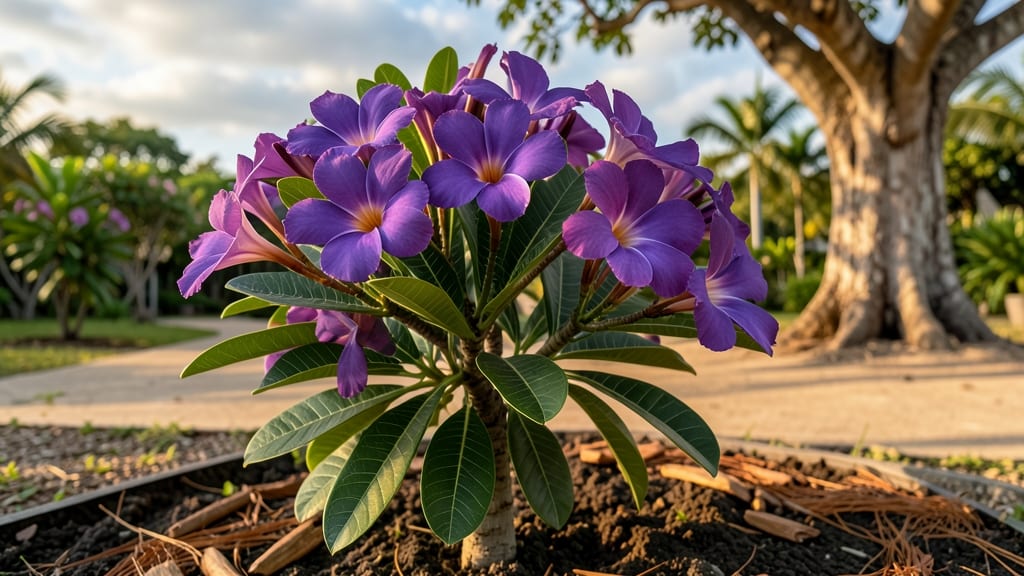
Growing a purple plumeria flower 🌸 is like inviting a tropical escape into your garden—if you know the secrets to coaxing those vibrant blooms and intoxicating fragrance year-round.
Picture this: your backyard transformed into a fragrant sanctuary, where deep purple plumeria flowers sway in the breeze, their sweet scent lingering long after sunset. But here’s the catch—these tropical divas demand the right care, or they’ll sulk with sparse blooms and wilted leaves.
The good news? With the right soil, sunlight, and a few pruning tricks, you can turn your plumeria into a blooming superstar.
From USDA zones 10-12 to containers in colder climates, purple plumeria thrives where others falter. We’ll break down the essentials—sunlight needs, watering schedules, and even how to revive a struggling plant—so you can enjoy those stunning fragrant blooms without the guesswork.
Ready to unlock the full potential of your plumeria? Let’s dive into the care routine that turns good growth into a showstopping display of color and perfume.
How to grow purple plumeria flowers: essential care tips for healthy blooms
Purple plumeria flowers (Plumeria rubra) bring a touch of tropical elegance to any garden with their vibrant purple blooms and intoxicating fragrance. Unlike their pink or white counterparts, these fragrant purple varieties require specific care to thrive.
Whether you're growing them in containers or in-ground, understanding their sunlight needs, soil preferences, and watering schedule is key to encouraging lush growth and abundant blooms year-round.
Native to tropical regions, purple plumerias love warmth and humidity but can adapt to various climates with proper care. In colder zones, they thrive as container plants that can be moved indoors during winter.
The secret to their success lies in mimicking their natural habitat—bright sunlight, well-draining soil, and consistent moisture without waterlogging. Let’s dive into the essential care tips to help your purple plumeria flourish.
| Care Aspect | Specification | Notes |
|---|---|---|
| Sunlight Needs | 6+ hours direct sun daily | South-facing windows or full outdoor sun |
| Soil Type | Well-draining, slightly acidic | pH 6.0-7.0; mix with perlite/sand |
| Watering Schedule | Deep soak every 3-5 days | Morning watering prevents fungal issues |
| Fertilizer | Balanced 7-9-5 NPK | Every 4-6 weeks spring-fall |
| Pruning Time | After flowering (late summer) | Encourages bushier growth and more blooms |
| Cold Tolerance | USDA Zones 10-12 | Use containers for zones below 10 |
Your purple plumeria’s sunlight needs are non-negotiable—these tropical beauties crave at least 6 hours of direct sunlight daily. Without enough light, their growth slows, and blooms become sparse. Place them in a south-facing window if growing indoors or in the sunniest spot in your garden.
In hot climates, provide afternoon shade to prevent leaf scorch, but never reduce morning sun.
For soil requirements, purple plumerias despise soggy roots. Use a well-draining mix of potting soil, perlite, and sand (60:20:20 ratio). Add a layer of orchid bark or coconut coir to improve aeration.
If planting in-ground, amend heavy clay soil with compost and grit. A slightly acidic pH (6.0-7.0) promotes vibrant purple blooms and prevents nutrient deficiencies.
Watering techniques make all the difference with these drought-tolerant yet moisture-loving plants. Always water deeply in the morning to mimic natural rainfall patterns and reduce fungal risks. Let the top 1-2 inches of soil dry between waterings—overwatering is the #1 killer of plumeria.
In containers, check soil moisture daily during summer heatwaves, as pots dry out faster. Reduce watering in fall and winter to simulate their natural dry season.
Pruning strategies are crucial for maximizing blooms and maintaining shape. After the flowering season (typically late summer), trim back dead or leggy branches to encourage new growth. Use sterilized pruners to make clean cuts just above a leaf node.
For container-grown plumerias, prune more aggressively to control size. Never prune in fall—this can stunt next year’s blooms. Always reward pruned plants with a light fertilizer to support recovery.
Seasonal adjustments ensure your purple plumeria stays healthy year-round. In spring and summer, focus on regular feeding (every 4-6 weeks) and deep watering. As temperatures drop in fall, reduce watering and stop fertilizing to prepare for dormancy.
In winter, move container plants indoors near a sunny window and water sparingly. If you live in a frost-free zone, continue normal care—plumerias bloom intermittently year-round!
To boost fragrance intensity, place your plumeria near a humidifier or mist leaves occasionally. The stronger the fragrance, the healthier the plant! Watch for yellowing leaves, which often signal overwatering or nutrient deficiencies.
Adjust care immediately—purple plumerias are resilient but need your attention to thrive. With these essential care tips, your garden will soon be filled with vibrant purple blooms and intoxicating tropical scents.
Best purple plumeria varieties for fragrance and color intensity
If you're dreaming of a garden filled with vibrant purple plumeria flowers that burst with fragrance, choosing the right variety is your first step. Not all purple plumeria cultivars offer the same scent intensity or color vibrancy, so selecting the perfect one depends on your climate and fragrance preferences.
Some varieties thrive in cooler climates, while others demand tropical warmth—let's explore the top options that deliver both stunning color and intoxicating aroma.
The 'Purple Majesty' variety stands out as a crowd favorite, offering deep purple blooms with a rich, sweet fragrance that lingers in the air. Its ability to tolerate slightly cooler temperatures makes it ideal for gardeners in USDA zones 9-11, where other plumeria varieties might struggle.
Meanwhile, the 'Royal Mosaic' brings a mix of purple and white flowers with a delicate, floral scent, perfect for adding contrast to your garden's color palette.
Purple Plumeria Varieties Comparison
'Purple Majesty'
- Fragrance: Strong, sweet
- Color: Deep purple
- Cold Tolerance: Zones 9-11
- Bloom Duration: Year-round in frost-free zones
'Royal Mosaic'
- Fragrance: Delicate, floral
- Color: Purple & white
- Cold Tolerance: Zones 10-12
- Bloom Duration: Seasonal (spring-fall)
For gardeners in USDA zones 10-12, the 'Purple Splendor' is another excellent choice, offering lavender-purple blooms with a moderate fragrance that's perfect for creating a tropical ambiance.
This variety is particularly well-suited for container gardening, making it a great option if you're growing plumeria in pots and need to move them indoors during cooler months. Its compact growth habit also makes it ideal for smaller gardens or balconies.
If you're looking for a highly fragrant purple plumeria, consider the 'Lavender Swirl' variety. Its swirled purple and white blooms release a powerful, sweet scent that can fill an entire garden with fragrance.
However, this variety requires full sun exposure and well-draining soil to thrive, so it's best suited for warm, tropical climates. For gardeners in cooler regions, growing it in containers allows you to bring it indoors during winter months.
When selecting your purple plumeria variety, also consider the bloom duration and maintenance requirements. Some varieties, like 'Purple Majesty', offer year-round blooms in frost-free climates, while others may have seasonal flowering periods.
If you live in a cooler climate, opt for varieties that tolerate mild frosts or choose container-grown plants that you can protect during winter. Always ensure your chosen variety receives at least 6 hours of direct sunlight daily to maximize fragrance and color intensity.
To enhance your purple plumeria's fragrance, pair it with complementary plants like jasmine or gardenia, which will create a sensory garden experience. With the right variety and care, your garden will become a fragrant oasis that attracts pollinators and delights your senses year-round. 🌸