
Light Requirements
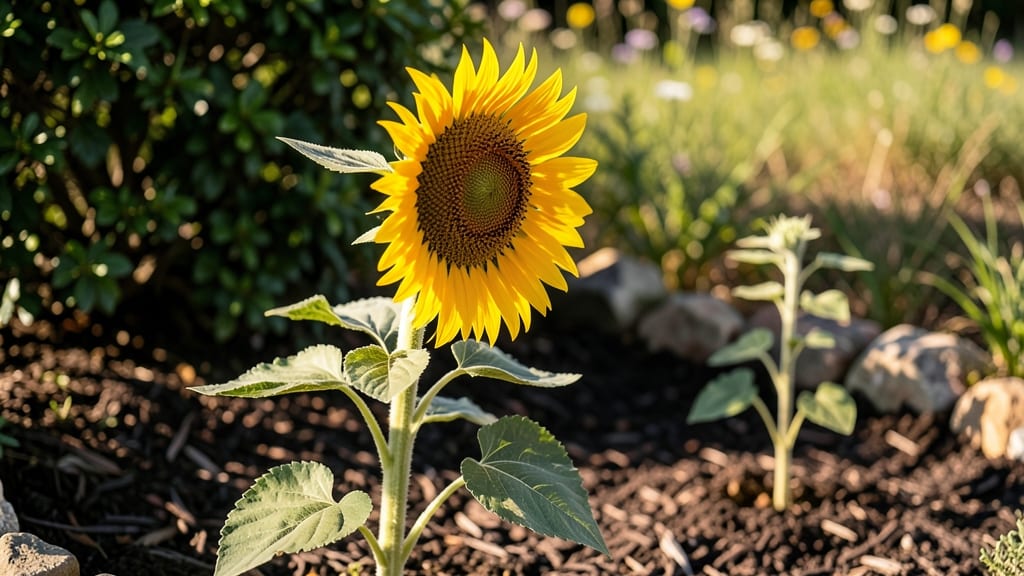
Sunflowers need direct sunlight to thrive, with 6+ hours daily being the golden rule for those towering 🌻 stalks you love.
Picture this: you’ve spent weeks nurturing your sunflower seedlings, only to watch them stretch tall and weak, their blooms tiny and sad. That’s the classic sign of sunlight starvation—a problem that’s easier to fix than you think.
Without enough direct rays, sunflowers won’t just grow shorter; they’ll struggle to develop strong stems, vibrant petals, and the plump seeds you might be hoping for. The good news? With the right placement or a few clever tricks, you can give your sunflowers the light they crave—even in less-than-ideal spots.
Below, I’ll break down exactly how much sunlight sunflowers need, what happens when they don’t get enough, and some simple ways to boost their light exposure for maximum growth.

How many hours of direct sunlight sunflowers truly need (and what happens if they don’t get enough)
Sunflowers aren’t just pretty faces—they’re sun-powered powerhouses that convert light into towering growth. While 6-8 hours of direct sunlight is the gold standard, even 4 hours daily can work for dwarf varieties.
But cut them short, and you’ll see a dramatic shift in their growth patterns, from weak stems to stunted blooms. The science behind this is rooted in their photosynthesis efficiency, which peaks under full sun.
Sunflowers are C3 plants, meaning they thrive in bright conditions where their chlorophyll absorbs maximum light. Studies show their photosynthesis rate increases by 30% with 8+ hours of sun compared to 4 hours.
Without enough light, their energy production plummets, leading to slower growth and fewer flowers. This isn’t just theory—it’s visible in your garden when plants stretch leggily toward the nearest light source.
| Sunflower Requirement | Specification | Impact of Deficiency |
|---|---|---|
| Minimum Daily Sunlight | 6 hours (full sun) | Leggy stems, 30% slower growth |
| Optimal Daily Sunlight | 8+ hours (full sun) | Max photosynthesis, larger blooms |
| Partial Shade Tolerance | 4 hours max (dwarf varieties) | Yellowing leaves, no flowering |
| Photosynthesis Peak | Morning sunlight (6 AM–10 AM) | Reduced energy, smaller seed heads |
When sunflowers don’t get enough light, their first response is stem elongation. This is their way of reaching for light, but it comes at a cost: thinner, weaker stems that can’t support their own weight.
You’ll notice long, spindly growth with few leaves, a clear sign of light deprivation. This isn’t just cosmetic—it directly impacts their ability to produce energy for flowering.
Leaves are another telltale sign. Under insufficient sunlight, sunflower leaves turn pale yellow or chlorotic, especially between the veins. This happens because the plant can’t produce enough chlorophyll, the green pigment essential for photosynthesis.
In severe cases, leaves may even drop prematurely, leaving the plant vulnerable to pests and disease. This is your garden’s way of screaming, "I need more light!"
The most heartbreaking effect of low light is on flowering and seed production. Sunflowers rely on sunlight to trigger flowering hormones, and without it, they may never bloom or produce only tiny, underdeveloped flowers.
Even if they do flower, the seed heads will be small and underdeveloped, reducing your harvest significantly. For example, a Russian Giant sunflower in full sun might produce a 12-inch bloom, but in partial shade, it could shrink to just 4 inches.
If you’re growing sunflowers in containers or urban gardens, light becomes even more critical. Pots have limited root space, so plants can’t compensate for low light by spreading their roots. Instead, they stretch toward the nearest light source, often growing in one direction.
This uneven growth makes them top-heavy and prone to falling over. To combat this, rotate your containers every few days to ensure even light exposure.
Not all sunflowers are created equal when it comes to light tolerance. Dwarf varieties like 'Teddy Bear' can handle 4-6 hours of sun, but they’ll still produce smaller blooms than their full-sun counterparts.
On the other hand, tall varieties like 'Mammoth' or 'Russian Giant' require at least 8 hours of sun to reach their full potential. If you’re in a low-light area, stick to dwarf or shade-tolerant varieties like 'Moulin Rouge'.
One common mistake is assuming that morning sun alone is enough. While morning sunlight is ideal for photosynthesis, sunflowers need consistent light throughout the day. If they only get 2 hours of morning sun and the rest is shade, their growth will still suffer.
For best results, aim for 6+ hours of direct sunlight, with a mix of morning and afternoon sun. This ensures steady energy production and optimal flowering.
If your garden doesn’t get enough natural sunlight, don’t give up on sunflowers! There are workarounds like using reflective surfaces (like white walls or mirrors) to bounce light onto your plants.
You can also try supplemental grow lights for 4-6 hours a day, especially in early spring or late fall when daylight is limited. Just remember: sunflowers are sun worshippers, and they’ll reward you with vibrant blooms when given the light they crave.
So, if you’re dreaming of towering sunflowers that turn heads in your garden, make sure they’re getting their daily dose of direct sunlight. With 6+ hours of sun, you’ll be well on your way to growing the cheerful giants you’ve always wanted. 🌻
Sunflower varieties that tolerate partial shade (and which ones will always struggle)
Not all sunflowers are created equal when it comes to sunlight. While most varieties crave 6-8 hours of direct sun, some shade-tolerant sunflowers can handle 3-4 hours of partial shade without throwing a fit. The key lies in choosing the right variety for your garden's light conditions.
If your yard has morning sun with afternoon shade or dappled light under trees, you're not out of luck. Certain sunflower varieties, like 'Moulin Rouge' and 'Teddy Bear', are far more adaptable than their towering cousins.
These shade-tolerant sunflowers may not reach their full height, but they'll still produce stunning blooms.
⚠️ PROS-CONS BOX: Does Sunflower Need Direct Sunlight? ⚠️
For partial shade gardens, focus on dwarf sunflower varieties like 'Teddy Bear' (2-3 feet tall) or 'Moulin Rouge' (3-4 feet tall). These shade-tolerant sunflowers may not win height contests, but their vibrant blooms more than make up for it. Plant them in east-facing beds where they'll catch morning sunlight.
On the flip side, varieties like 'Russian Giant' or 'Autumn Beauty' will struggle in partial shade. Their tall, leggy stems and small blooms are telltale signs they're not getting enough light.
If you're set on growing these varieties, consider container gardening near a sunny wall or using reflective surfaces to maximize light exposure.
Watch for these warning signs in shade-grown sunflowers: yellowing leaves, stretched stems, and delayed flowering. If you notice these, your sunflowers are begging for more light. Try moving them to a sunnier spot or supplementing with grow lights for 4-6 hours daily.
Remember, even shade-tolerant sunflowers will perform best with at least 4-6 hours of direct sunlight. The more light they get, the taller they'll grow and the more seeds they'll produce. So while you can push the boundaries with certain varieties, don't expect miracles in deep shade.