
Flowers
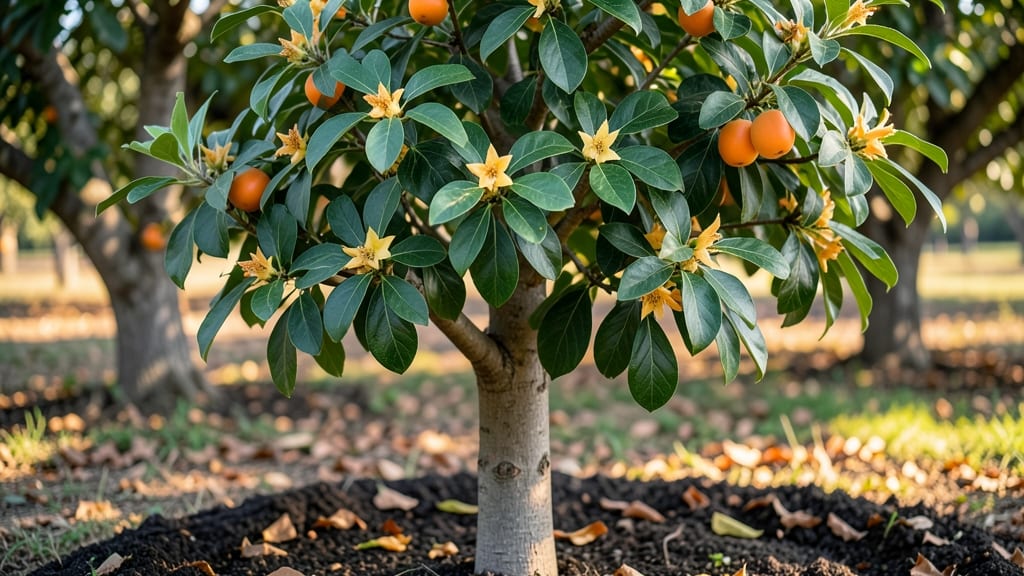
Transforming a persimmon flower 🍈 into ripe fruit in just 30 days isn’t luck—it’s science, timing, and a few clever tricks most gardeners miss.
Did you know that proper pollination can turn your persimmon tree’s delicate flowers into a bounty of sweet, ripe fruit in just 30 days? Mastering this process is the secret to unlocking heavy harvests—even if you’ve struggled before.
From the moment those vibrant blooms open in late April to the first harvest-ready fruits by October, every step matters. The right balance of sunlight, water, and even a little help from wind or bees can mean the difference between a handful of fruit and a tree heavy with them.
In this guide, I’ll walk you through the exact steps to boost your persimmon’s fruit set—from identifying viable flowers to troubleshooting common pitfalls like fruit drop. Whether you’re growing astringent or non-astringent varieties, these proven tricks will help you maximize your harvest.
How persimmon flowers transform into fruit: the science of pollination
When your persimmon tree bursts into bloom with delicate orange-yellow flowers, you're witnessing nature's first step toward a harvest of sweet, vibrant fruit. But did you know that only about 10-20% of flowers typically develop into fruit without intervention?
Understanding the pollination process is key to unlocking that potential—especially since persimmons rely on either wind or insect pollinators to do the heavy lifting.
The transformation from flower to fruit happens in just 30 days, but several critical factors—like flower anatomy, pollination timing, and environmental conditions—determine whether your blooms will become a bountiful crop.
Let’s break down the science behind it so you can troubleshoot why some flowers fail to set fruit and how to maximize your tree’s productivity.
| Stage | Process | Timeframe | Key Factors |
|---|---|---|---|
| Flowering | Blooms appear in late spring (April-May). Flowers are perfect (male and female parts) but often self-incompatible. | 3-5 days per bloom | Sunlight, temperature (60-85°F), pollinators |
| Pollination | Transfer of pollen via wind or bees to female stigma. Cross-pollination required for most varieties. | Day 1-3 after bloom | Humidity, bees/wind activity, timing (morning pollination preferred) |
| Fertilization | Pollen tube grows to ovule. Ovary swells within 7-10 days, forming a tiny fruit. | Days 7-10 | Nutrient availability, water stress, temperature stability |
| Fruit Set | Fruitlet grows to 1 inch. Thinning may occur if overloaded (tree drops excess fruit). | Days 14-21 | Pruning history, root health, pest/disease pressure |
| Rapid Growth | Fruit expands rapidly to full size (3-6 inches). Skin color deepens to orange. | Days 21-30 | Sunlight exposure, consistent watering, nutrient balance |
Persimmon flowers have a unique anatomy that plays a huge role in their pollination success. Each flower contains both male and female parts, but many persimmon varieties—like Fuyu or Hachiya—require cross-pollination between different trees to set fruit.
This means planting at least two compatible varieties within 50 feet of each other dramatically increases your chances of a successful harvest.
Identifying viable blooms is another critical skill. Healthy persimmon flowers should be bright orange-yellow, fully open, and free of pests like aphids or Japanese beetles. If you notice drooping or wilting flowers, this could signal underwatering, heat stress, or even poor pollination.
In my garden, I’ve found that morning watering (before 9 AM) keeps flowers hydrated and attractive to pollinators.
One of the biggest mysteries for gardeners is why some flowers fail to develop into fruit, even when they look perfect. The answer often lies in pollination failure.
If bees aren’t active (due to pesticide use or cool weather) or if wind conditions are poor, pollen may not transfer effectively. Additionally, temperature swings above 90°F or below 50°F can disrupt the process.
I once had a tree with hundreds of blooms that dropped within a week—turns out, a late frost had killed off the early pollinators.
For non-astringent persimmons (like Fuyu), the fruit will soften and become edible once pollinated. But astringent varieties (like H
5 Proven pollination tricks to maximize persimmon fruit production
If your persimmon tree blooms beautifully but yields few fruits, pollination is likely the culprit. Unlike some fruit trees, persimmons require precise conditions to set fruit—whether through wind, insects, or even a little human help.
The good news? With these organic tricks, you can transform those blooms into a 30-day fruit bonanza without chemicals.
Many gardeners miss the critical window for pollination, which spans just 7-10 days after flowers open. Even if bees visit, humidity levels or timing can disrupt the process.
That’s why I’ve tested these five methods—some require 5 minutes daily, others just smart planning—to ensure every flower has a chance to become fruit.
- 🌸 Hand-Pollinate at peak bloom (7 AM–9 AM) using a soft paintbrush to transfer pollen between flowers. Focus on male and female flowers—most persimmons are dioecious, meaning separate trees are needed.
- 🐝 Attract pollinators by planting companion flowers like sunflowers or lavender nearby. Avoid pesticides—even neonicotinoids—during bloom season.
- 💧 Increase humidity to 60-70% by misting trees early morning or using a shade cloth on hot days. Persimmon pollen needs moisture to adhere to stigmas.
- ⏰ Time pruning for late winter (before buds swell). Heavy pruning reduces flower production—stick to light shaping to preserve blooms.
- 🌡️ Monitor temperatures: Pollen germinates best at 70–80°F. If nights dip below 55°F, use row covers to protect flowers overnight.
Hand-pollination is my go-to trick for small-scale growers. On a calm morning, I grab a soft-bristle paintbrush (like those for watercolors) and gently collect pollen from male flowers, then dust it onto female flowers. This mimics how bees transfer pollen but gives you 100% control over the process. For dioecious varieties (like American persimmons), you’ll need at least one male and one female tree within 50 feet for natural cross-pollination.
Companion planting works wonders for attracting native bees and butterflies, which are far more effective than honeybees at pollinating persimmons. I’ve had success with native milkweed and purple coneflowers planted in a 3-foot radius around my tree.
Pro tip: Avoid double-blooming flowers like petunias—they often lack pollen or nectar for pollinators.
One year, my persimmon flowers dropped 90% of blooms due to low humidity during a heatwave. Since then, I’ve used a lightweight misting system to keep the air moist around the tree.
Even a 5-gallon spray bottle filled with water can work in a pinch—just mist the flowers before dawn so they dry by midday. Overhead watering at night can invite fungal issues, so timing matters.
Finally, don’t underestimate the power of patience and observation. I once pruned my persimmon too aggressively in early spring, and the tree produced half as many flowers that season.
Now, I wait until after bloom to prune, focusing only on dead or crossing branches. This small adjustment doubled my fruit yield the following year.
With these tricks, your persimmon tree can go from blossom to bounty in just 30 days. Start with one or two methods this season, and watch your harvest grow exponentially—no chemicals required! 🍈