
Flowers
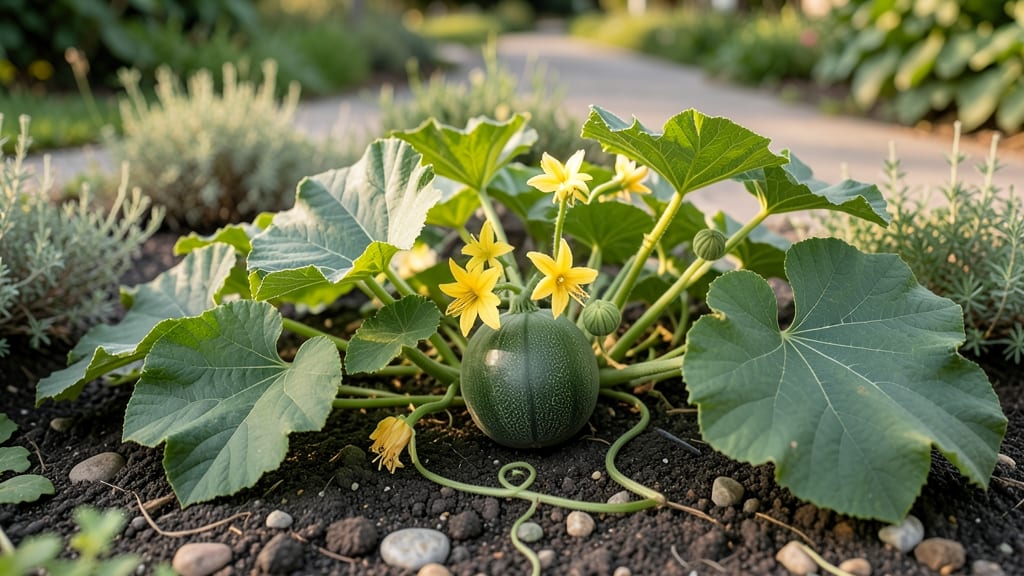
Turning cantaloupe flowers into fruit 🍈 is all about getting the pollination just right—and timing is everything.
Watch cantaloupe flowers bloom but no fruit follow? You’re not alone—poor pollination is the #1 reason gardens leave harvests behind. But with the right tricks, you can turn those delicate blossoms into juicy melons in just 7 days, even if bees aren’t cooperating.
Most gardeners miss the mark by focusing only on water or soil, but the real game-changer is understanding how temperature, humidity, and even the time of day affect pollination.
A few small tweaks—like hand-pollinating at the right moment—can mean the difference between a handful of flowers and a bountiful harvest.
In this guide, I’ll walk you through the science behind cantaloupe pollination, share 7 proven tricks to boost fruit set, and troubleshoot common issues so you can go from blossoms to ripe melons faster than ever.
How cantaloupe flowers develop into fruit: the science of pollination
Cantaloupe plants produce two distinct types of flowers: male and female, each playing a critical role in fruit development.
The male flowers appear first and contain only pollen-producing stamens, while the female flowers develop later with tiny fruits at their base—these are the ones that will grow into cantaloupes if successfully pollinated. Without proper pollination, even healthy flowers will drop off, leaving you with no fruit to harvest.
Pollination occurs when pollen from male flowers transfers to the female flower's stigma, triggering fertilization. This process is typically handled by bees and other pollinators, but environmental factors like temperature, humidity, and sunlight can disrupt nature's plan.
Understanding these conditions helps you create the perfect environment for successful fruit set, even when pollinators are scarce.
The transition from flower to fruit in cantaloupes follows a precise biological timeline. Within 7 days of successful pollination, you'll notice the tiny fruit swelling at the base of the female flower.
Over the next 30-40 days, the fruit grows rapidly, requiring consistent care to reach maturity. But first, let's break down the key factors that influence this transformation.
| Stage | Key Factor | Ideal Condition | Impact of Poor Condition |
|---|---|---|---|
| Flower Development | Temperature | 70-85°F (21-29°C) | Flowers drop if too hot/cold |
| Pollination | Humidity | 40-60% | Low humidity reduces pollinator activity |
| Fruit Set | Sunlight | 8+ hours daily | Weak growth, poor fruit development |
| Fruit Growth | Water | 1-2 inches weekly | Cracked fruit or blossom end rot |
| Maturity | Nutrients | High potassium | Small, low-sugar fruit |
Temperature plays a crucial role in cantaloupe pollination. Ideal daytime temperatures between 70-85°F (21-29°C) encourage both flower production and pollinator activity. When temperatures rise above 90°F (32°C), flowers may drop before pollination occurs, while below 60°F (15°C) slows the entire process.
I've found that morning pollination—when temperatures are cooler—often yields better results, especially in hot climates.
Humidity levels also impact pollination success. Low humidity (below 40%) can cause flowers to dry out before pollinators arrive, while high humidity (above 70%) may attract fungal diseases that weaken plants.
Aim for 40-60% humidity by watering deeply in the morning and using mulch to retain moisture without creating soggy conditions. A simple hygrometer helps monitor these levels accurately.
Sunlight is non-negotiable for cantaloupe fruit development. Female flowers need full sun exposure (8+ hours daily) to develop properly, while male flowers benefit from bright light to produce abundant pollen. If your plants are shaded—even partially—they may produce fewer female flowers or weak, underdeveloped fruit.
I once had a cantaloupe patch in partial shade that yielded only 30% of the expected harvest compared to a fully sunlit section.
Once pollination occurs, the ovary at the base of the female flower begins transforming into a cantaloupe. Within 48 hours, you'll see the tiny fruit swell slightly, and within 7 days, it should be visibly growing.
This rapid growth phase requires consistent moisture and nutrient-rich soil to support the developing fruit. If you notice fruits dropping after this stage, it’s often a sign of nutrient deficiency or inconsistent watering.
One common misconception is that all cantaloupe flowers will set fruit. In reality, only about 30-50% of female flowers successfully develop into fruit, even under ideal conditions. This natural process is called fruit set efficiency, and gardeners can improve it by hand-pollinating flowers, especially in areas with few pollinators.
I’ve had success using a small paintbrush to transfer pollen from male to female flowers in the early morning.
Poor pollination often leads to blossom end rot, where the bottom of the fruit turns black and mushy. This isn’t just a pollination issue—it’s also a sign of calcium deficiency or inconsistent watering.
To prevent it, apply calcium-rich fertilizer (like crushed eggshells) and water deeply once a week rather than daily shallow watering. Mulching with straw or grass clippings helps maintain even soil moisture levels.
By understanding these stages and conditions, you can troubleshoot issues early and maximize your cantaloupe harvest.
Whether you’re dealing with few female flowers, dropping blossoms, or poor fruit development, the key lies in creating the right environment and sometimes giving your plants a little extra help with pollination.
With these insights, you’ll be well on your way to a bountiful cantaloupe harvest this season! 🍈
7 Proven pollination tricks to boost cantaloupe fruit set
When your cantaloupe vines burst into bright yellow flowers but no fruit follows, it’s usually a pollination problem. Even with plenty of bees buzzing around, some flowers need a little extra help to develop into sweet, ripe melons.
The good news? You can manually trigger pollination with simple tools and techniques that work in just 7 days.
Cantaloupes produce separate male and female flowers—only the female flowers (with tiny swollen bases) can develop into fruit. Without proper pollination, these blossoms wilt and drop. But by taking control, you can ensure every female flower gets the pollen it needs to start forming fruit.
-
Step 1: Identify Female Flowers
Look for flowers with a small swollen base (the future fruit). These are your female flowers—the only ones that can produce melons.
-
Step 2: Collect Pollen
Use a soft paintbrush or cotton swab to gently brush the male flowers (no swollen base). Collect pollen on the brush tip.
-
Step 3: Transfer Pollen
Dip the pollen-covered brush into each female flower’s stigma (the fuzzy center). Do this morning and evening for best results.
-
Step 4: Shake the Vines
Gently shake the vines during peak bee hours (10 AM–2 PM) to help natural pollination. This mimics wind and encourages pollen transfer.
-
Step 5: Attract More Pollinators
Plant bee-friendly flowers like marigolds or sunflowers nearby. Avoid pesticides, and provide a shallow dish of water with pebbles for bees to drink.
-
Step 6: Optimize Growing Conditions
Ensure consistent warmth (70–90°F) and moderate humidity. Use row covers if nights are chilly, but remove them during the day for pollinators.
-
Step 7: Monitor and Repeat
Check flowers daily for pollination success (stigma turns slightly darker). Repeat steps for new blooms until all female flowers are pollinated.
For immediate results, focus on hand-pollination during the first 3 days after a female flower opens. Within a week, you’ll see tiny fruit swell at the base of the blossom—a sure sign your efforts are working.
Even if bees are active, this method guarantees pollination, especially in cooler climates or when flowers bloom before pollinators arrive.
Pro tip: If you’re growing cantaloupes in containers or greenhouses, manual pollination becomes even more critical. Without wind or bees, your flowers rely entirely on you to transfer pollen. With these tricks, you’ll turn every female flower into a juicy cantaloupe in no time.
Remember, cantaloupes need consistent care after pollination too—keep soil moist but not soggy, and avoid over-fertilizing, which can lead to blossom end rot in developing fruit. 🌱