
Flowers
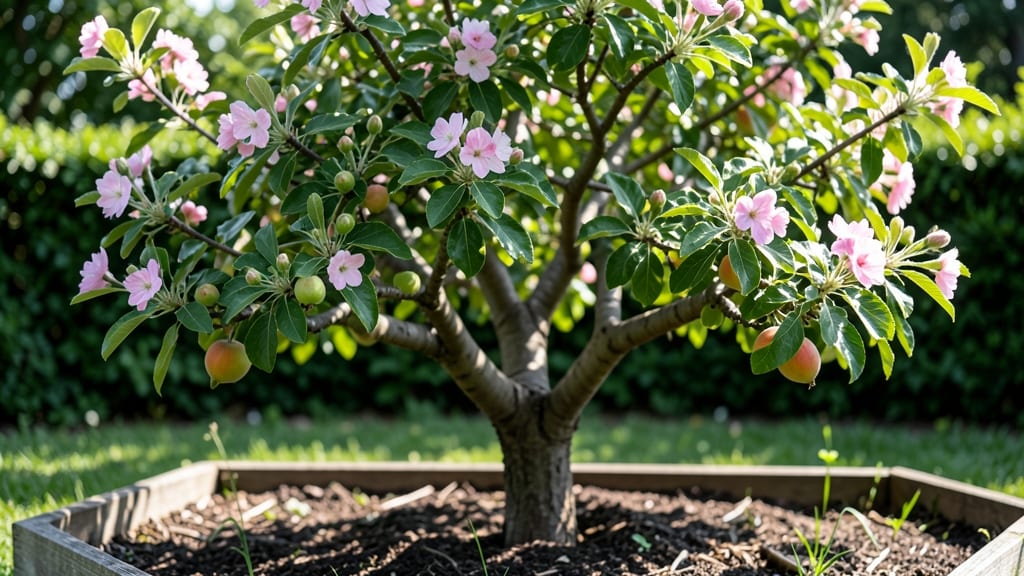
Transforming nectarine flowers 🍑 into fruit is a delicate dance of timing, pollination, and environmental balance that determines whether your harvest will be modest or overflowing.
Watching a nectarine tree shift from delicate blossoms to juicy fruit is one of nature’s most satisfying cycles—but knowing exactly what to expect at each stage can mean the difference between a modest harvest and a bountiful one.
From the first bloom to the moment fruit begins to swell, temperature, water, and pollination play critical roles. A single missed step—like skipping hand-pollination on a cool spring day—can send blossoms dropping before they set fruit.
In this guide, I’ll walk you through the 5 key stages of nectarine flower to fruit development, share the timeline for your Zone 6a climate, and reveal pro tips to maximize fruit size and sweetness—so you can go from blossoms to harvest with confidence.
The 5 key stages of nectarine flower to fruit development (with timeline)
Understanding the nectarine flower to fruit process is essential for maximizing your harvest. Each stage—from bud formation to fruit ripening—has unique needs that directly impact yield and quality. By recognizing these phases, you can adjust care to ensure healthy blossoms develop into plump, sweet nectarines.
Let’s break down the journey your tree takes over 120-180 days, with actionable tips for each step.
Timing is everything in nectarine cultivation. In USDA Zone 6, blooms typically appear in late April to early May, while harvest occurs between July and September. However, environmental factors like temperature swings and water availability can shift this timeline.
For example, a late frost in spring may delay blooming by 2-3 weeks, while consistent summer rainfall can accelerate fruit growth. Knowing these variables helps you prepare for each stage proactively.
🌱
| Stage | Duration | Key Tasks | Critical Conditions |
|---|---|---|---|
| Bud Formation | Late Winter - Early Spring | Prune dead wood; apply balanced fertilizer | 50-60°F, minimal water |
| Blooming | 3-5 days (peak) | Hand-pollinate if needed; protect from frost | 60-75°F, no rain during bloom |
| Fruit Set | 2-3 weeks post-bloom | Thin fruit to 6" apart; monitor for pests | 70-85°F, consistent water |
| Rapid Growth | 6-8 weeks | Deep water weekly; apply potassium | 75-90°F, full sun |
| Maturity | 8-10 weeks | Harvest at peak color; store properly | 65-80°F, reduce water |
The first stage, bud formation, begins in late winter when your nectarine tree prepares for spring. During this time, focus on pruning dead branches and applying a balanced fertilizer (10-10-10) to encourage strong bud development.
Temperatures should hover between 50-60°F, and watering should be minimal to avoid stimulating early growth. If your tree is young, consider wrapping the trunk with tree guard to protect it from late frosts that can damage emerging buds.
Once buds open into blossoms (typically in late April), you’ve entered the critical pollination window. Nectarine trees are self-pollinating, but cross-pollination with other stone fruits (like peaches) can improve fruit set.
If your area experiences cold or rainy weather during bloom, consider hand-pollinating with a soft brush to transfer pollen. Protect blossoms from frost by covering trees with frost cloth if temperatures dip below 40°F.
After pollination, the fruit set stage begins, where fertilized flowers develop into small fruits. This is when thinning becomes crucial—remove excess fruit to leave 6 inches between each. Overcrowded fruit leads to smaller, less flavorful nectarines.
During this phase, maintain consistent moisture (1-1.5 inches per week) and watch for aphids or mites, which thrive in new growth. Apply neem oil if pests appear to prevent damage to developing fruit.
💧
The rapid growth stage (6-8 weeks post-bloom) is when nectarines swell quickly. This is the time to deep-water your tree weekly, ensuring the soil is moist to a depth of 12 inches. Increase potassium levels with a fruit-specific fertilizer to enhance sweetness and firmness.
Prune any suckers or water sprouts that compete with fruit-bearing branches. If your tree is in a container, monitor drainage closely—root rot is a common issue during this water-intensive phase.
Finally, the maturity stage signals harvest time, typically 120-180 days after blooming. Nectarines are ready when they yield slightly to pressure and deepen in color (though they may not fully ripen on the tree).
Harvest in the morning to preserve sweetness, and store at room temperature for 3-5 days or refrigerate for up to 2 weeks. If your tree produces more fruit than you can use, consider processing into jams or drying slices—nectarines freeze beautifully for later use.
By aligning your care with each stage’s needs—from bud protection to harvest timing—you’ll transform your nectarine tree into a fruit-bearing powerhouse. Pay attention to temperature cues and watering patterns, and don’t hesitate to intervene with hand-pollination or thinning if nature needs a little help.
With patience and precision, you’ll enjoy a bountiful harvest of juicy, sun-ripened nectarines year after year.
☀️
Common mistakes that kill nectarine fruit set (and how to fix them)
Even with perfect nectarine blossoms, poor fruit set can leave you staring at empty branches. The most common culprits are environmental stress, nutrient imbalances, and pollination failures. I’ve seen blossom drop turn a promising harvest into disappointment—until I fixed these key issues.
First, let’s tackle the biggest mistake: overwatering during bloom. Too much moisture can drown roots and trigger fungal diseases like brown rot, which causes blossoms to fall before they set fruit. Even well-meaning gardeners often water on a schedule instead of checking soil moisture.
⚠️ callout warning ⚠️
🚨 Warning: The #1 Killer of Nectarine Fruit Set
Your tree’s blossoms may look perfect, but hidden nutrient deficiencies or pollination gaps can sabotage fruit development. Low boron (a micronutrient) or lack of bees during bloom are silent harvest killers.
Another frequent issue is temperature extremes during pollination. Nectarines need consistent 60–85°F for successful fruit set. Late spring frosts (below 28°F) can kill blossoms outright, while heat waves (>90°F) cause blossom blast, where flowers shrivel without pollinating.
Don’t overlook nutrient deficiencies, either. A lack of zinc or calcium leads to poor cell development, resulting in small, misshapen fruit. I once saw a nectarine tree with thin-skinned fruit due to calcium deficiency—adding lime or gypsum to the soil fixed it within a season.
For pollination failures, hand-pollination can save the day. On cloudy days or in low-bee areas, use a soft brush to transfer pollen from flower to flower. Focus on early morning when blooms are open and sticky with nectar—ideal for pollinators.
Finally, thinning fruit too late (after 1 inch in size) stresses the tree. Overloaded branches can’t support all fruit, leading to small, uneven harvests. Thin to 6–8 inches between fruits to ensure size and sweetness. Use clean, sharp pruning shears to avoid damaging branches.
With these fixes, you’ll turn blossom drop into a bountiful harvest. Start with soil tests and bee-friendly plants—your future nectarines will thank you! 🍑